Last updated November 21, 2026
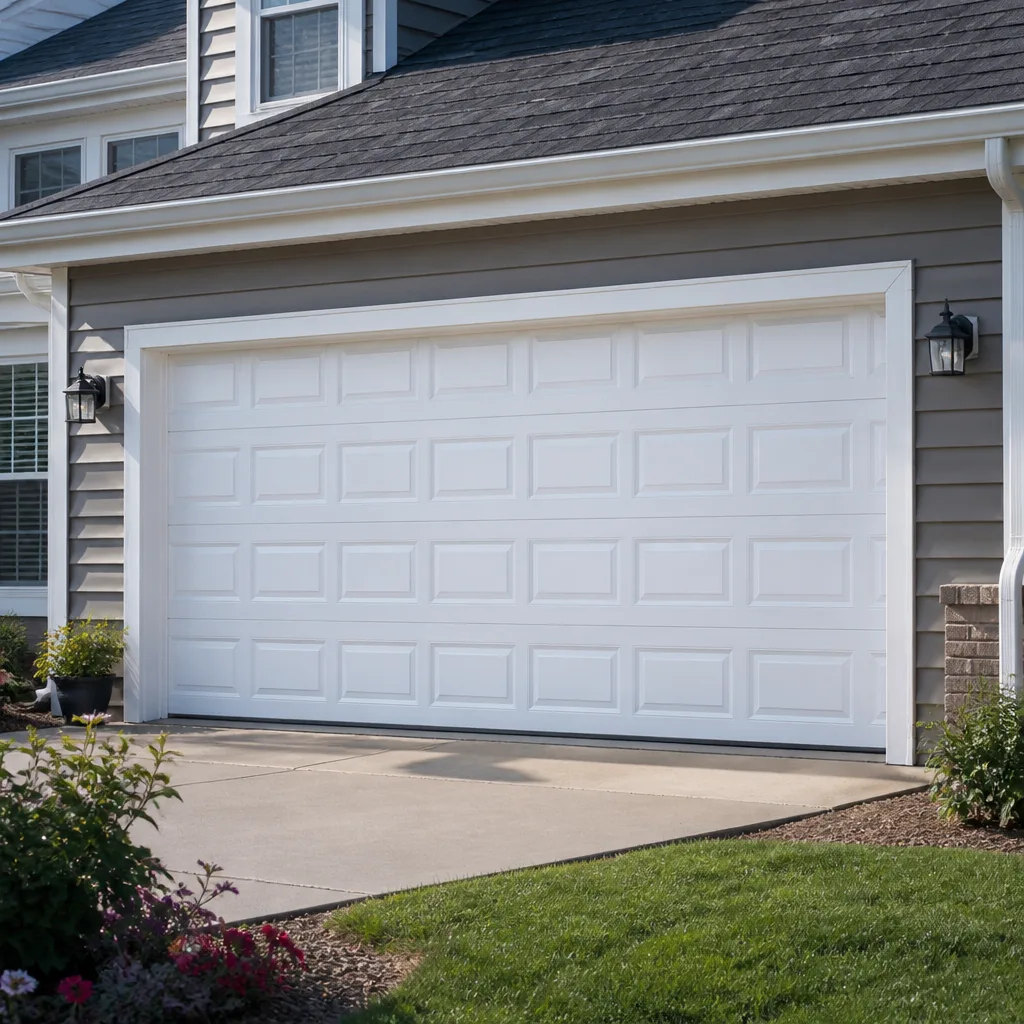 Raised-panel steel
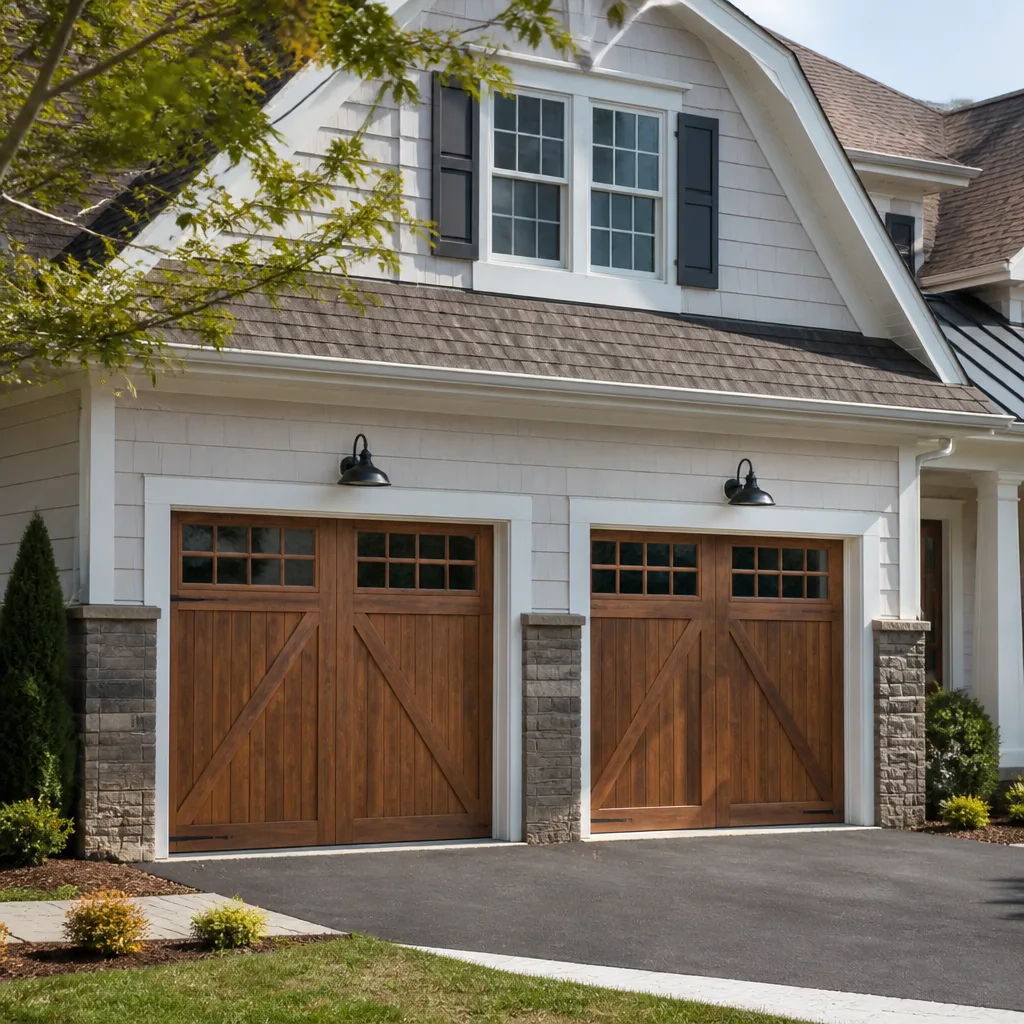 Carriage house
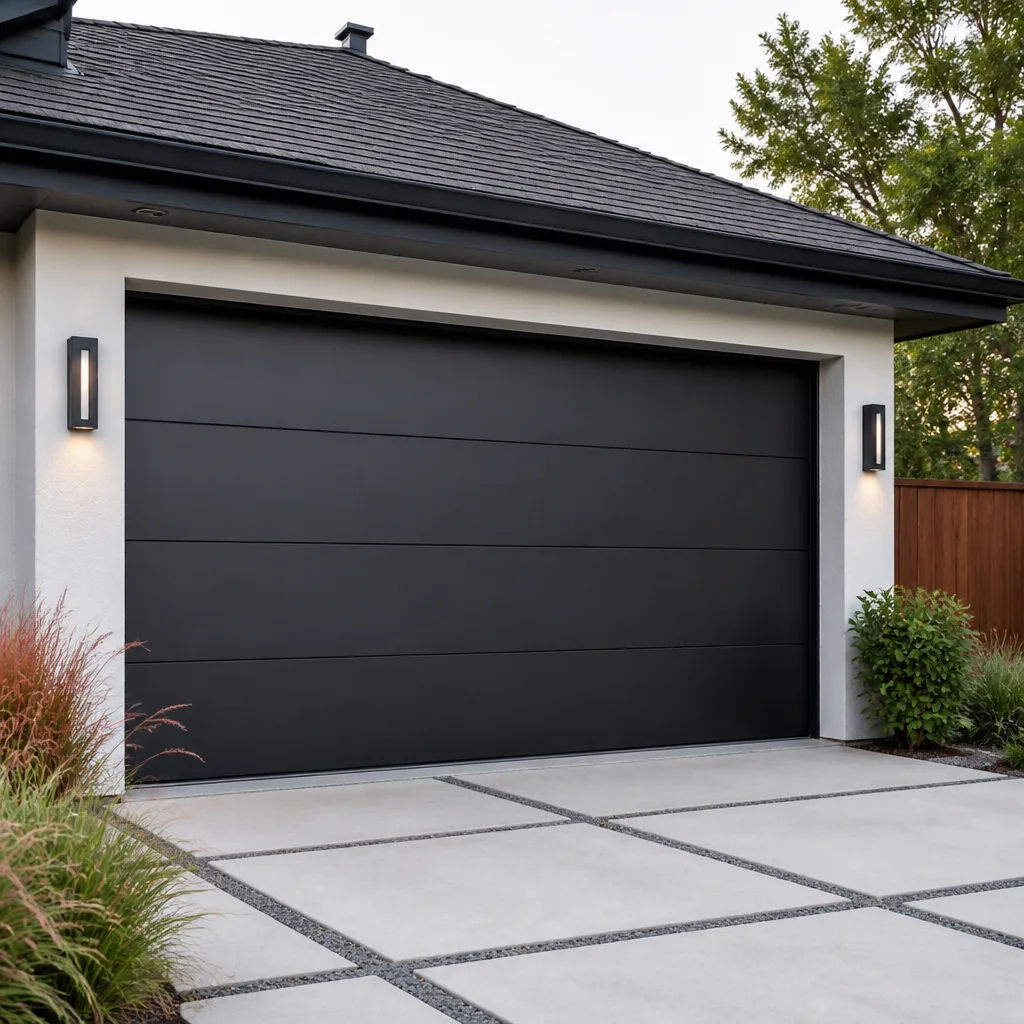 Modern flush
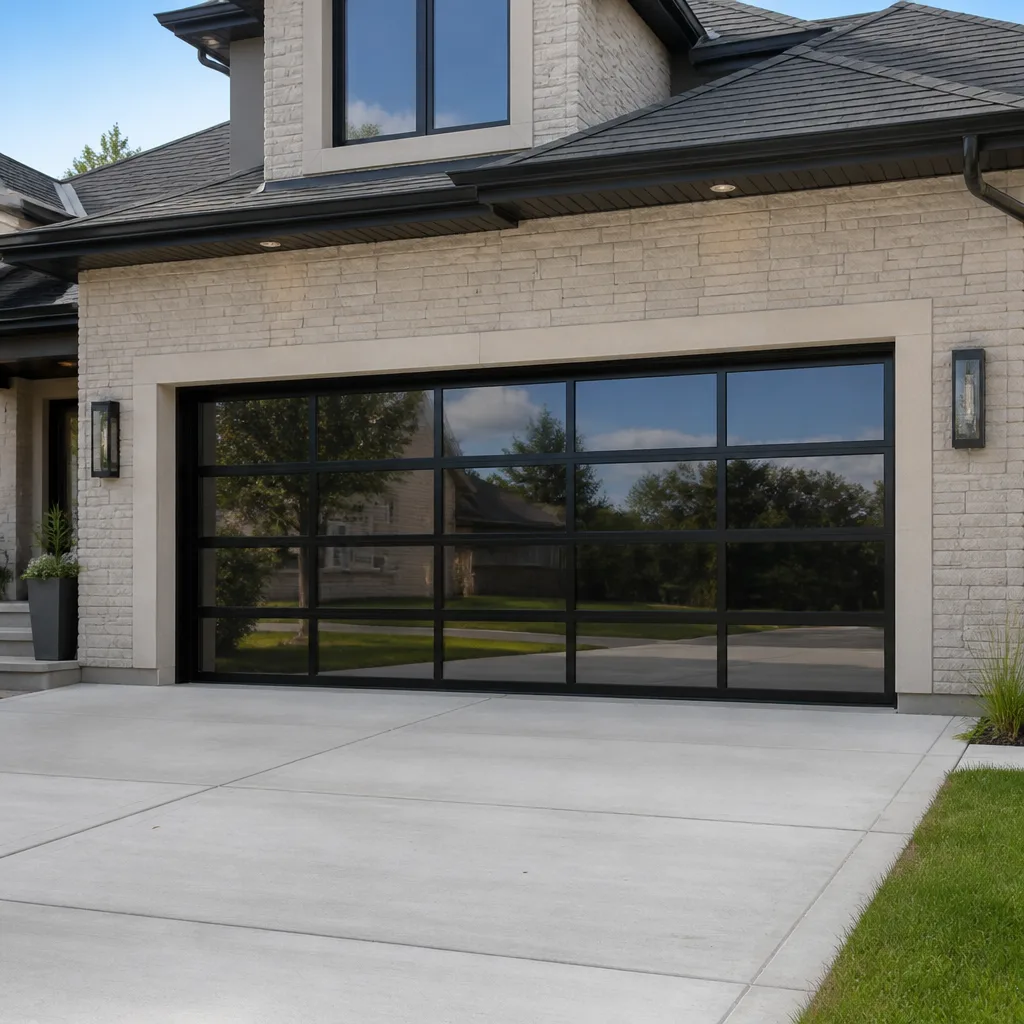 Full-view glass
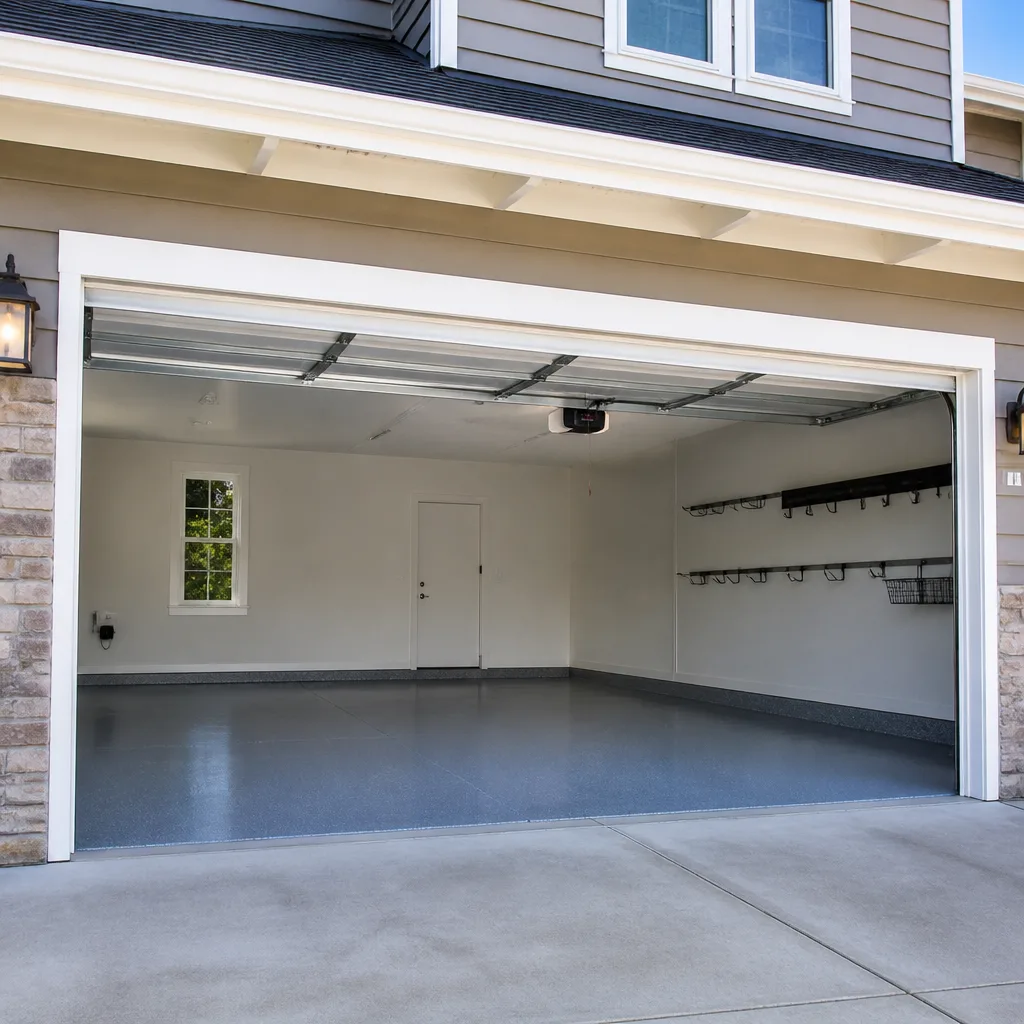 LiftMaster openers
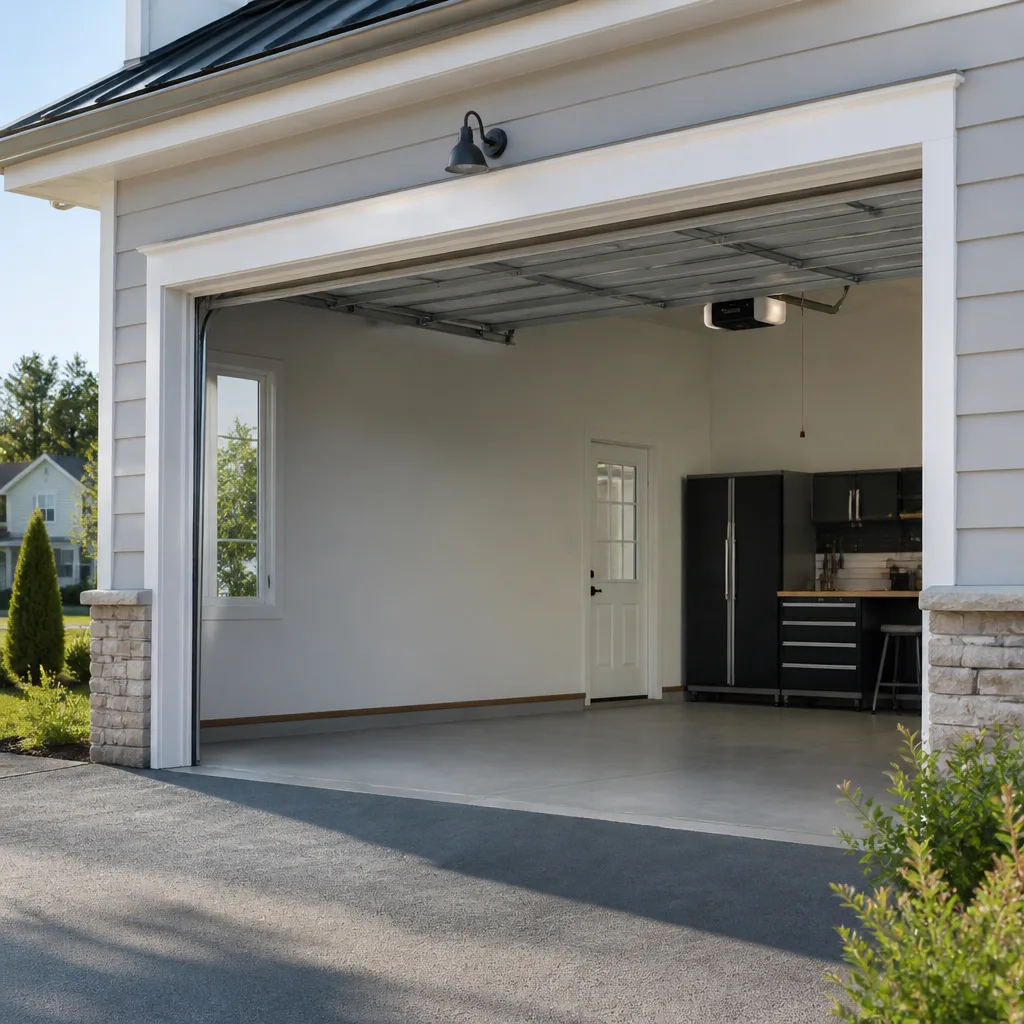 Chamberlain openers
Full 25-point door and opener safety check with every visit - springs, cables, rollers, tracks, and your LiftMaster or Chamberlain opener included
You get a price before we start. It does not change when the pro arrives.
Get your free estimateSeasonal Garage Door Care for Linden Hills: Year-Round Homeowner’s Guide
Most homeowners think about their garage door twice: when it breaks, and when they’re pulling out of the driveway. That’s the wrong rhythm. A garage door in Linden Hills doesn’t fail all at once. It wears in seasons. The spring that lets go on a subzero morning was already weakened by a dry October. The cable that jumps its drum in April was nudged by frost heave in March. The opener that overheats in July was baking against a sun-facing wall since June. This guide maps specific failure modes to the season that actually triggers them, so you do the right maintenance at the moment it protects something, not months after the damage is done. We cover fall, winter, spring, and summer in order, with the component-specific temperature limits that matter here.
Quick Answer
A garage door in Linden Hills needs four maintenance windows per year, each tied to a different stress: lubrication and balance checks before the first freeze in October, seal and ice care through winter, alignment and cable inspection after the spring thaw, and UV and heat inspection on south-facing doors through summer. The components most likely to fail here are torsion springs, bottom seals, rollers, and opener circuit boards, and each one fails on its own seasonal clock. Do the season-matched task and you prevent the failure that season causes.
Styles & brands we work with
- Raised-panel steel
- Carriage house
- Modern flush
- Full-view glass
- LiftMaster openers
- Chamberlain openers
Table of Contents
- Why Seasonal Care Matters More in Linden Hills Than Elsewhere
- Fall: The Pre-Freeze Window You Can’t Miss
- Winter: Frozen Seals, Icy Tracks, and Cold Springs
- Spring: Post-Thaw Inspection Before the First Big Rain
- Summer: UV, Heat, and the South-Facing Door
- Temperature Tolerance by Component
- Your Four-Season Maintenance Calendar
- Common Mistakes to Avoid
Why Seasonal Care Matters More in Linden Hills Than Elsewhere
Linden Hills sits in a climate that swings from humid summer heat to deep winter cold, and that swing is the whole story. A garage door is a balanced mechanical system: springs counterweight the door, cables ride on drums, rollers track in rails, and the opener pushes and pulls the whole assembly. Every one of those parts has a temperature range where it behaves predictably. Push past that range and the tolerances tighten, the lubricants thicken or thin, the seals harden, and the metal expands and contracts against itself.
What makes Linden Hills different from a milder climate isn’t the extremes on their own. It’s the repetition. A door here cycles through dozens of freeze-thaw transitions every winter, and each one works the door a little differently. Frost heave lifts a slab a fraction of an inch. A cable stretches a hair. A spring loses a little tension. None of these matter once. Over a season they compound, and that’s when a door that “worked fine” suddenly doesn’t.
We’ve seen the pattern often enough in this neighborhood to trust it. A garage door that gets four season-matched checkups a year lasts measurably longer than one that only gets attention when something breaks. That’s not a sales pitch. It’s how the hardware behaves. The seasonal schedule below is built around the failure each season actually causes in Linden Hills, not a generic checklist copied from a national website.
Fall: The Pre-Freeze Window You Can’t Miss
October is the last viable window to prep a garage door in Linden Hills before winter locks in. Once the first hard freeze hits, lubrication gets harder to work into tight clearances, seals stiffen, and small adjustments become bigger jobs. The tasks below are what prevent the three most common winter failures: a snapped torsion spring, a frozen bottom seal that tears, and a track that ices up and binds.
Torsion springs are the part most homeowners underestimate. A dry spring – one that hasn’t been lubricated since spring – loses tension faster and cycles harder. Over a Minnesota winter, that wear is not gentle. It’s the main reason we field so many garage door spring repair calls in January and February. The fix in October takes minutes. The repair in January takes a specialist.
The Pre-Freeze Checklist
- Lubricate the torsion springs, hinges, and rollers with a garage-door-specific lubricant (not WD-40 as a long-term solution – it’s a solvent, not a lasting lube). Pay attention to the spring coils and the bearing plates.
- Check the balance. Disconnect the opener and lift the door halfway. It should stay put. If it drops or rises on its own, the springs are out of adjustment and a technician needs to correct the tension.
- Inspect the bottom seal. Run a hand along it for cracks or hardening. A seal that’s already stiff going into winter will crack on the first freeze and tear on the first lift.
- Clean and lubricate the tracks with a silicone-based spray. Wipe out grit and debris so ice has less to bond to.
- Test the safety reverse. Place a 2×4 flat under the door and close it. The door should reverse on contact. If it doesn’t, the opener needs adjustment before winter.
- Check the weatherstripping around the frame and threshold. Any gap that lets meltwater in during a thaw becomes an ice dam by morning.
This checklist takes most homeowners about 30 minutes. If any step feels beyond you, especially the balance check or spring lubrication, that’s the right time to schedule a professional tune-up while the weather is still cooperative. It’s far easier to do the work now than to deal with a snapped spring in February.
Winter: Frozen Seals, Icy Tracks, and Cold Springs
Winter in Linden Hills is where garage doors earn their keep and where the wrong intervention does the most damage. Two problems dominate: a bottom seal frozen to the concrete, and ice in the track. Both have a correct way to handle them, and both have a way that ruins the door faster than the freeze would have.
A frozen bottom seal is common after a melt-and-refreeze cycle. The seal touches the slab, moisture gets underneath, and it freezes the rubber to the concrete. When the opener lifts the door, the seal tears. Over a winter, that seal gets destroyed in stages. The correct approach is patience: free the seal with a plastic scraper or a gentle warm-water pour at the contact point, never a metal tool or a pry bar. Never force the door up if it’s stuck. If the seal is already stiff and cracked, it needs replacing before next winter, not after.
Ice in the track is the other winter headache. Ice forms at the bottom of the rail where meltwater runs down, then binds the bottom roller. The wrong move is to bang the rail with a hammer or pry at the roller. That bends the rail out of true, and a bent rail is a bigger repair than the ice ever was. The right move is to melt the ice with warm water or a heat gun held well back from the metal, wipe out the moisture, and dry the track thoroughly. Then check the roller for damage.
Winter Emergency Signs
- Springs that sound louder than usual or make a sharp crack when the door opens – stop using the door and call for service.
- A door that comes off its track on one side – do not run the opener; this can twist the panels.
- An opener that struggles in the cold, especially a LiftMaster or Chamberlain unit older than ten years, may have a failing gear or a cold-sensitized circuit board.
- A door that reverses immediately after closing all the way – usually the safety sensors or the sensitivity setting, which cold can affect.
Winter is the one season where we recommend calling for emergency garage door service the moment a spring cracks or a door leaves its track. The risk is not just a stuck car. A door hanging on one cable under tension is a safety hazard. Our Garage Door Repair Linden Hills team treats these as a priority because a door in that condition shouldn’t be operated at all.
Spring: Post-Thaw Inspection Before the First Big Rain
The spring thaw in Linden Hills does something most homeowners never see: it shifts the ground underneath the garage slab. Frost heave lifts portions of the slab by fractions of an inch. That sounds small. It isn’t. A door that tracked perfectly in December can be out of alignment by March, and that misalignment compounds through the door hardware – the cables ride unevenly on the drums, the rollers bind on one side, and eventually a cable jumps the drum or a spring bears more of the load than it was designed for.
April is the window to catch it. Before the spring rains and the first big temperature swings, a post-thaw inspection addresses the alignment drift that winter caused. This is also the season when we get called for doors that suddenly won’t close flush, or that clunk on one side. Nine times out of ten, the door hasn’t failed – it’s drifted, and the hardware needs to be re-trued.
Post-Thaw Inspection Protocol
- Open and close the door by hand (disconnect the opener first) and listen for scraping, popping, or uneven resistance. Any of these point to a track or roller problem.
- Check the gap between the door and the frame on both sides. It should be even. A gap that’s wider on one side means the door has shifted and the tracks need realignment.
- Inspect the cables for fraying at the drum and along the run. A cable with broken strands is a failure waiting to happen and needs replacement, not adjustment.
- Check the bottom seal again for cracking from winter freeze cycles. If it’s stiff, replace it before the spring rain.
- Test the opener’s force settings and the safety reverse again – winter can change the door’s operating resistance and throw the opener’s sensitivity off.
- Lubricate everything again. Spring is as good a lubrication window as fall, especially on the rollers.
If the inspection turns up a cable jump, a bent track, or a door that won’t sit flush, that’s a job for a specialist. Cable work is one of the riskier repairs on a garage door, and a bent track usually points to a deeper alignment issue. Our garage door repair service covers the full door and the opener system, so you don’t have to chase down two contractors for one problem.
Summer: UV, Heat, and the South-Facing Door
A south-facing garage door in Linden Hills takes the most summer punishment of any door on the property. The sun hits it for hours, the surface heats well above ambient, and the components on that door age faster than on a shaded one. The two parts that degrade fastest are the torsion spring’s coating and the nylon rollers.
The torsion spring is oil-tempered steel. Its protective coating is what keeps it from corroding and helps it hold its tension. UV exposure and repeated heat cycles break that coating down, which is one reason springs on a sunny side of a house tend to fail before their cycle rating. The rollers are the other. Nylon rollers soften and flatten under sustained heat, especially if they were already loaded unevenly. A flattened roller drags, and a dragging roller transfers stress to the spring.
Where Heat Hits Hardest
- Torsion spring coating: check for rust or a dull, chalky surface. A spring that’s lost its coating is on borrowed time.
- Nylon rollers: look for flat spots or a wheel that no longer rolls smoothly in the rail. Replace before they start transferring load.
- Opener circuit board: the opener motor housing heats up when the door runs hard in summer. If the opener is on a wall that gets direct sun or sits in a hot garage corner, give it ventilation. LiftMaster and Genie units with an internal board are the most common we see fail on the hot side.
- Weatherstripping and bottom seal: UV degrades rubber and vinyl faster than cold does. A south-facing seal can crack in a single summer. Check it in July, not just going into winter.
- Paint and finish on the panels: a south-facing wood or steel door with a sun-faded finish will absorb moisture differently, which can lead to panel warping over years.
Summer is also the best season to schedule a planned upgrade if the door is showing its age. If the inspection turns up warped panels, repeating opener issues, or a door that’s been patched repeatedly, that’s the right time to talk about garage door installation. A new door measured and ordered in summer gets installed before the fall rush.
Temperature Tolerance by Component
Part of seasonal care is knowing which components have a temperature range and what happens when you push past it. These aren’t hard specs from a manufacturer – they’re the ranges we’ve learned to work with in Minnesota. They matter because the failure modes above all happen at the edges of these ranges.
- Garage door lubricant: petroleum-based lubes thicken noticeably below about 20°F and can leave springs under-lubricated in deep winter. A synthetic or lithium-based lube holds its viscosity better across the full swing. That’s why October lubrication matters more than any other month’s.
- Bottom seal and weatherstripping (vinyl and rubber): most soften above 90°F and stiffen below about 20°F. In Linden Hills, a seal spends months near the stiff end and repeats it every year. If you buy a replacement, a more flexible compound lasts longer than a stiffer, cheaper one.
- Nylon rollers: rated for moderate heat. Sustained garage temperatures in the 100s on a south-facing wall push past their comfort zone. Metal rollers are noisier but tolerate heat better.
- Opener circuit boards: electronic boards tolerate a typical garage range but fail faster in repeated hot cycles. An opener that fails in July usually shows its first symptoms in late summer. If your opener is a LiftMaster or Chamberlain unit showing weird behavior on hot afternoons, that’s worth a look at the board.
- Torsion springs: the steel gets brittle at cold extremes, which is why a spring with a pre-existing weakness tends to break in the coldest week, not mid-summer. The failure is set up by the lubrication gap, not the cold itself.
If any of this feels like more than you want to track, that’s fine. The whole point of the seasonal schedule is that you only have to think about four windows a year – one per season.
Your Four-Season Maintenance Calendar
Here’s the whole guide compressed into a single schedule. Print it, stick it on the garage wall, and work through it as the year turns in Linden Hills.
- October (pre-freeze): Lubricate springs, hinges, and rollers. Check balance by hand. Inspect and replace the bottom seal if stiff. Test the safety reverse. Clean tracks.
- December through February (winter): Never force a frozen seal. Melt ice with warm water, not force. Watch for spring cracks and stop using the door. Call for emergency service if a spring fails or the door leaves its track.
- March through April (post-thaw): Open and close by hand to check for binding. Check for uneven gaps between door and frame. Inspect cables for fraying. Replace season-worn seals. Test opener force settings.
- June through August (summer): Inspect torsion spring coating for rust. Check nylon rollers for flat spots. Give the opener ventilation if it’s on a hot wall. Check UV-exposed seals and weatherstripping. Schedule a planned upgrade if the door is warping.
Each of these windows takes about half an hour on the inspection end. If a window turns up something that needs a specialist – a spring that won’t hold balance, a cable that’s frayed, a track that’s bent – that’s when you garage door opener repair conversation usually starts, because a dragging door makes the opener work harder than it should. Catching it in the shoulder season, before the extreme, is always cheaper than catching it after.
Common Mistakes to Avoid
- Waiting until spring to lubricate. A spring that goes dry in autumn is under-lubricated the entire winter. October lubrication is the single highest-value task in the whole cycle.
- Using a general-purpose spray as long-term lube. WD-40 is a solvent, not a metal lubricant. It displaces moisture but doesn’t hold under load. Use a dedicated garage-door lubricant, especially in Linden Hills where the swings are wide.
- Forcing a frozen door up. Prying a frozen seal or yanking the door free tears the seal and bends rollers and rails. Melt the ice, don’t break it.
- Banging ice out of the track with a hammer. A bent rail is a much bigger repair than the ice. Warm water and patience are the correct tools.
- Adjusting torsion springs yourself. This is the one task we recommend homeowners never DIY. The springs are under extreme tension, and a slip can cause serious injury. Call a professional.
- Skipping the post-thaw inspection in April. Frost heave shifts the door alignment by fractions of an inch every spring. Left uncorrected, that drift compounds into a cable jump or a track failure by summer.
- Ignoring the south-facing door in summer. UV and heat hit the sunny side harder than the shade side. That door needs its own check on the spring coating and rollers every summer.
See the difference
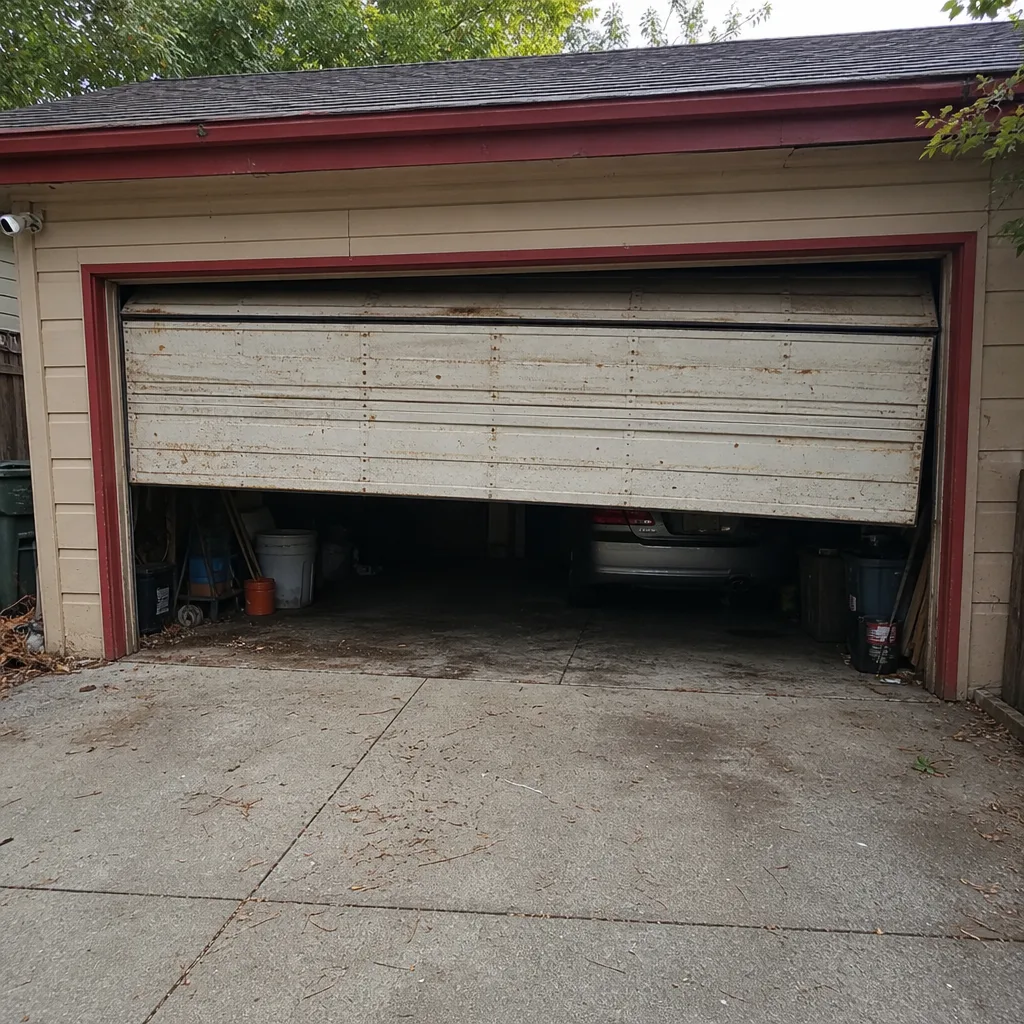 Before
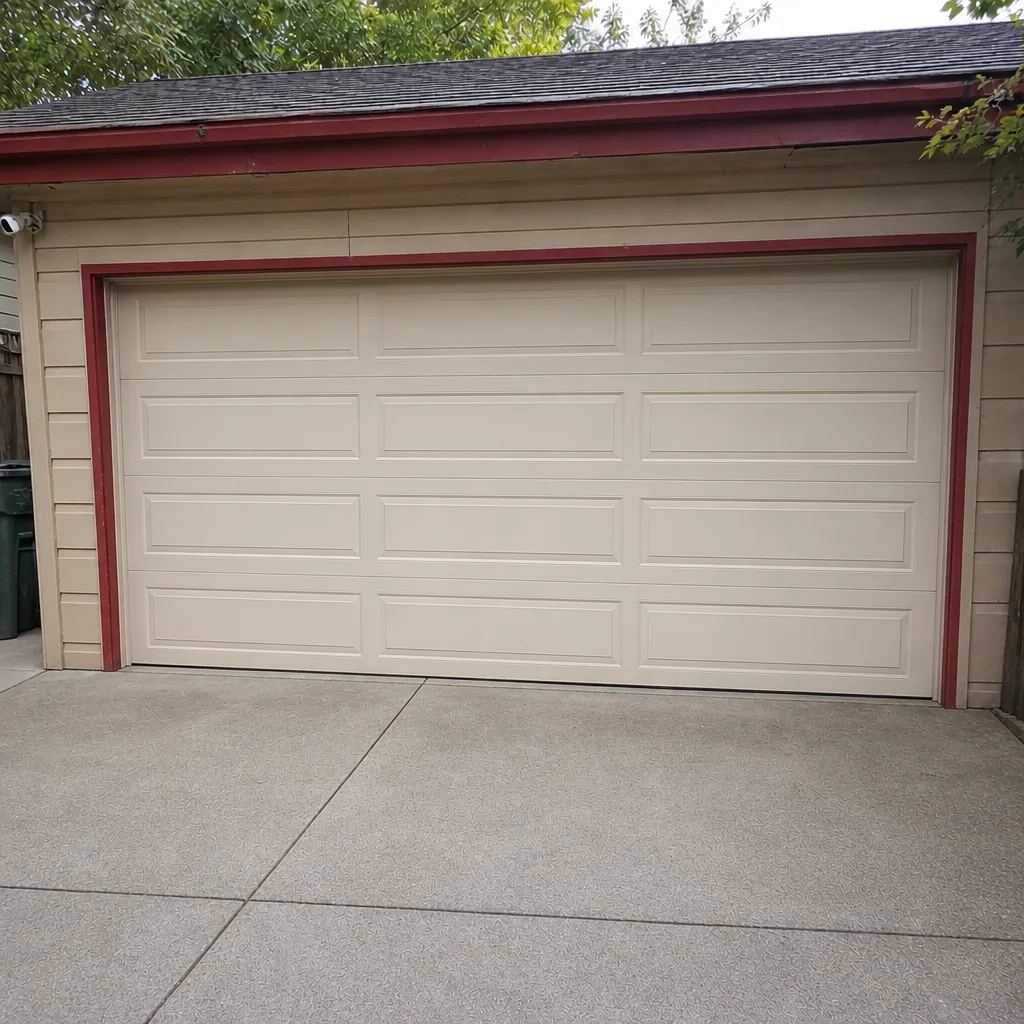 After
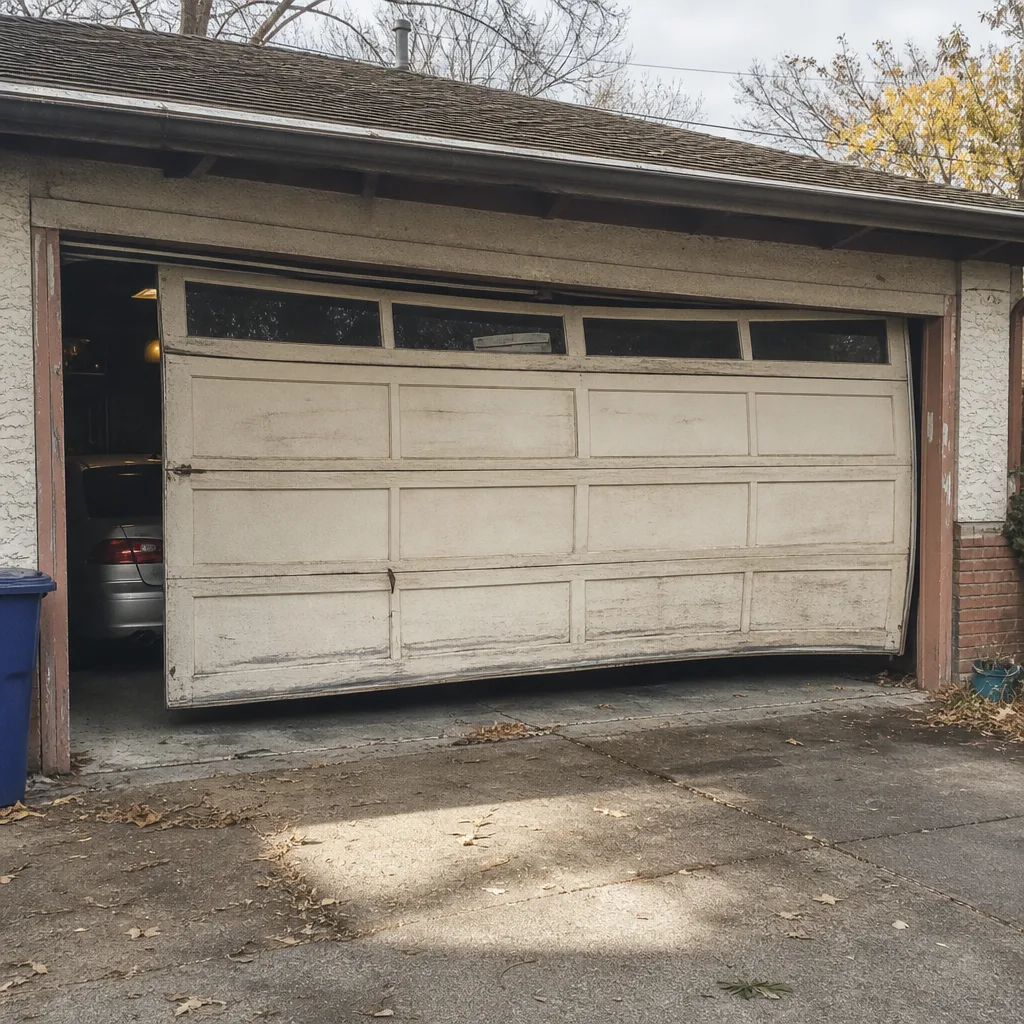 Before
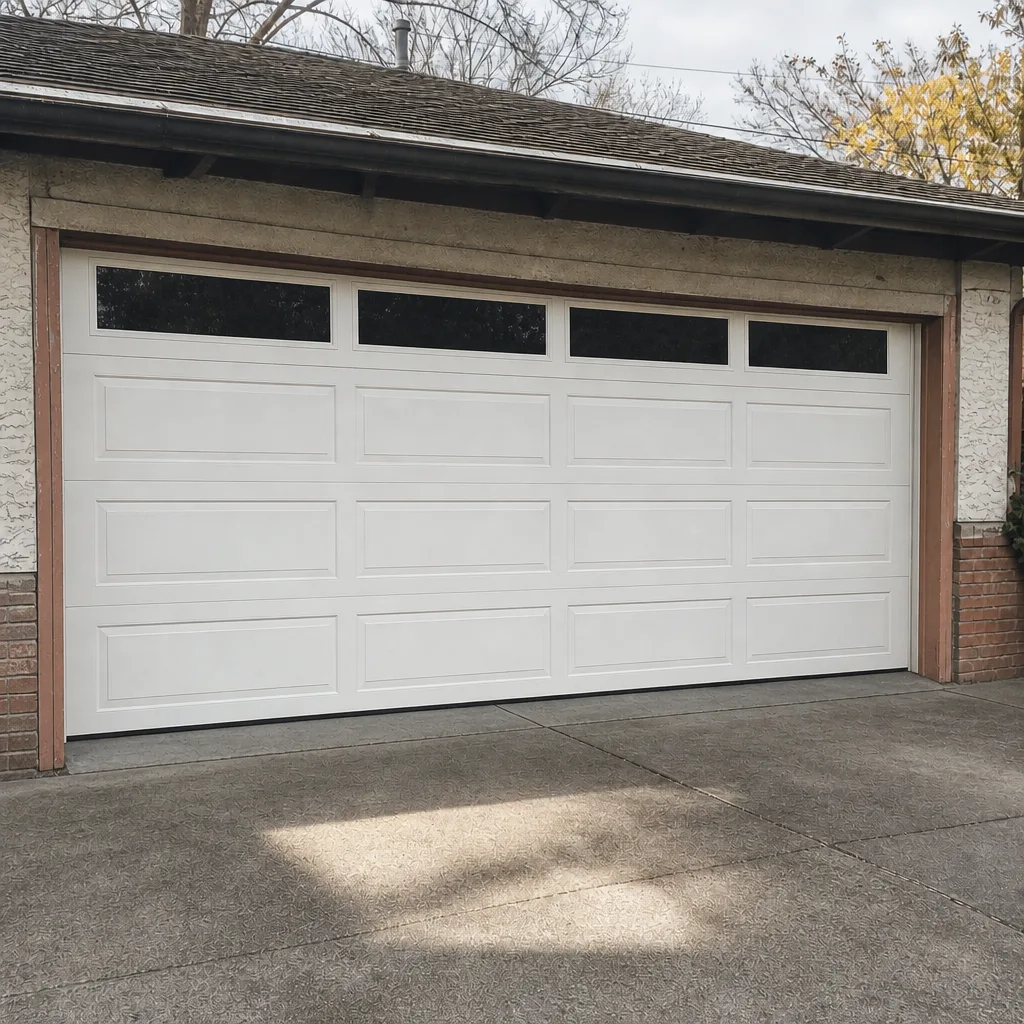 After
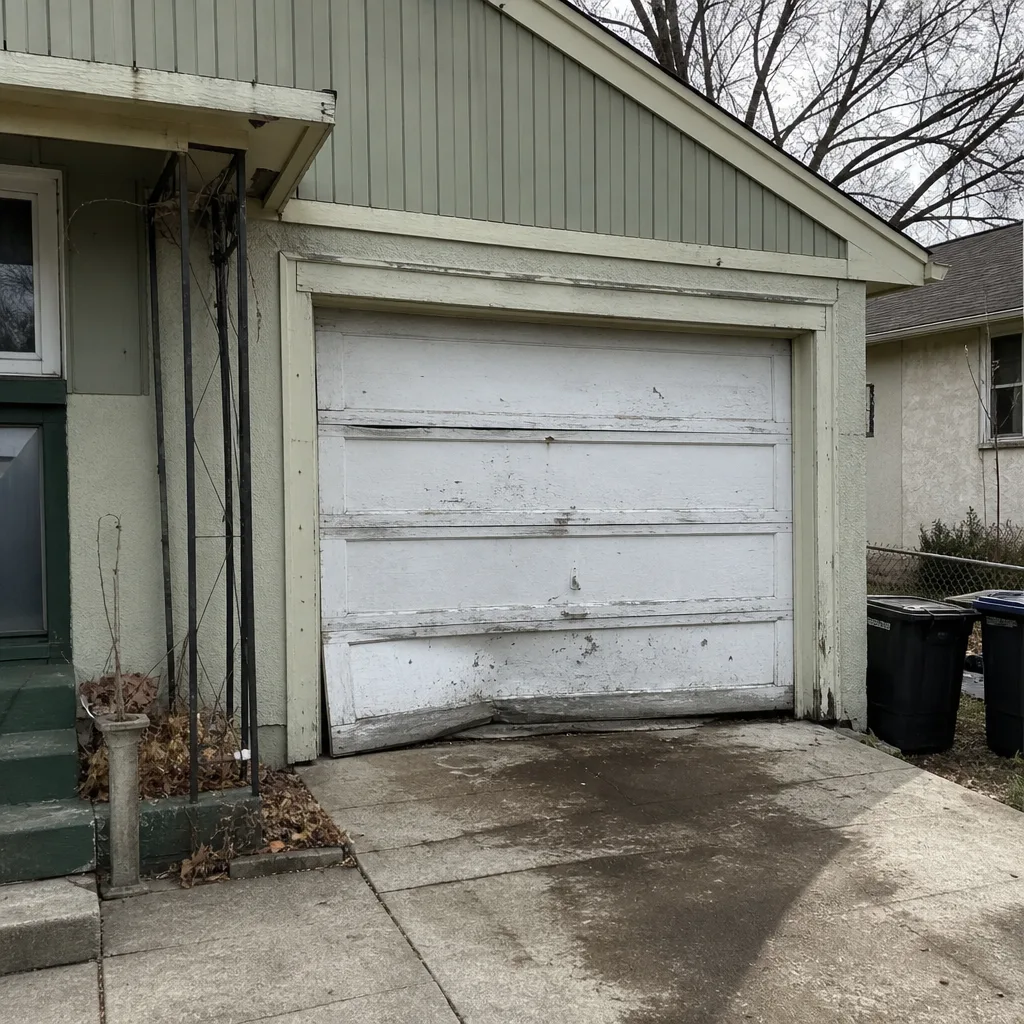 Before
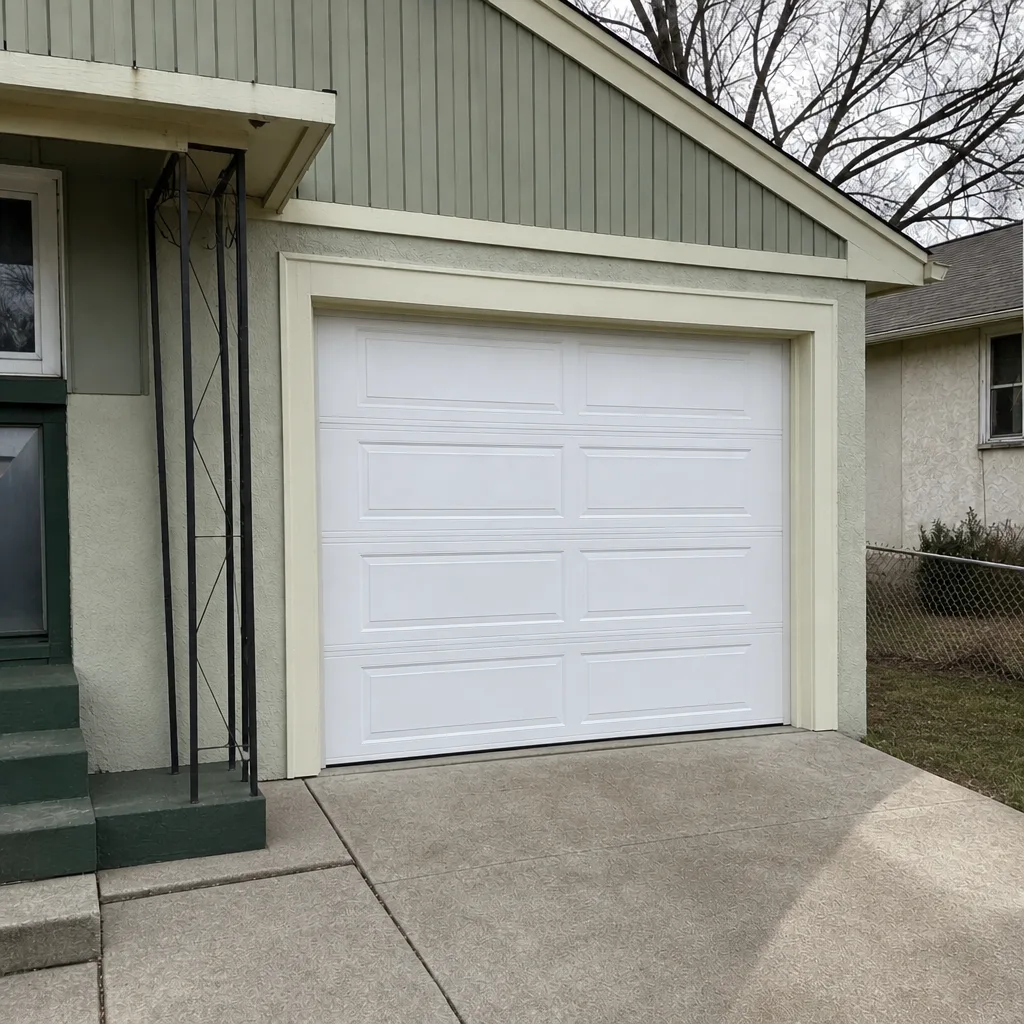 After
When to Call a Professional
Some seasonal tasks are homeowner jobs – lubrication, seal inspection, cleaning. Others need a specialist. Call a professional when a spring breaks or won’t hold balance, when a cable frays or jumps its drum, when a track bends or a door leaves its rail, when the opener reverses unpredictably, or when your post-thaw inspection turns up a door that won’t sit flush. These involve tension, alignment, or electrical work where the risk of injury or further damage is real. Garage Door Repair Linden Hills offers free estimates in Linden Hills and covers both the door and the opener under one call. Our technicians have up to 12 years of experience, work on systems from Raynor, LiftMaster, Chamberlain, and Genie, and back it with same-day and emergency service for the situations that can’t wait. Call (855) 710-3186 to book a seasonal check or a repair – the price is quoted and agreed before any work starts.
Frequently Asked Questions
Twice a year is standard: once in October before the first freeze, and once in spring after the thaw. The October lubrication matters most because it protects the door through the coldest part of the year. A dry spring going into a Minnesota winter wears faster than a properly lubricated one, so that October window is the one to protect.
It can be saved if it isn’t cracked or torn. Free it with warm water or a plastic scraper, then dry the contact point thoroughly. If the rubber has already stiffened and split, replace it before the next winter. A stiff seal will just freeze to the concrete again and tear a bit more each cycle. If you’re not sure, a free estimate will tell you quickly.
Cold makes the steel brittle and tightens clearances, but the real cause is usually earlier – a dry spring that wasn’t lubricated in October. The wear is set up in the fall, and the cold triggers the final break. If your spring snaps, that’s a job for a specialist, not a DIY fix. Call (855) 710-3186 and we’ll quote before any work starts.
It depends on the repair – a spring, a cable, a roller, or an opener issue each price differently. Every job is quoted in writing before work begins, and estimates are free. That quote is the price, so there are no surprises on the invoice. Call (855) 710-3186 for an exact quote on your door.
Yes. Frost heave lifts portions of the slab by fractions of an inch, and over a winter that drift can throw the door out of alignment. That’s why the April post-thaw inspection matters. A misaligned door loads the cables and springs unevenly, and that’s the setup for a cable jump or a spring failure by summer.
Yes, for repair and emergency situations. A failed spring, a door off its track, or an opener that’s quit are the kinds of calls we treat as priority. Installation and replacement are measured and ordered, so those are scheduled rather than same-day. Call (855) 710-3186 to book a repair or emergency visit.
The Bottom Line
A garage door in Linden Hills fails on a seasonal clock, and the seasons are the schedule that protects it. Lubricate before the freeze, handle frozen seals and iced tracks with patience, inspect for alignment drift after the thaw, and check the sunny side of the door for UV and heat damage in summer. Four short maintenance windows a year prevent the failures that would otherwise turn into winter emergencies. The springs, cables, and opener adjustments are a specialist’s job – and one call covers the door and the opener together. Our technicians have up to 12 years of experience, work on Raynor, LiftMaster, Chamberlain, and Genie systems, and back it with same-day and emergency service. Call (855) 710-3186 for a free estimate. The price is quoted and agreed before any work starts, and the work is guaranteed.
Written by the team at Garage Door Repair Linden Hills.