Last updated November 21, 2026
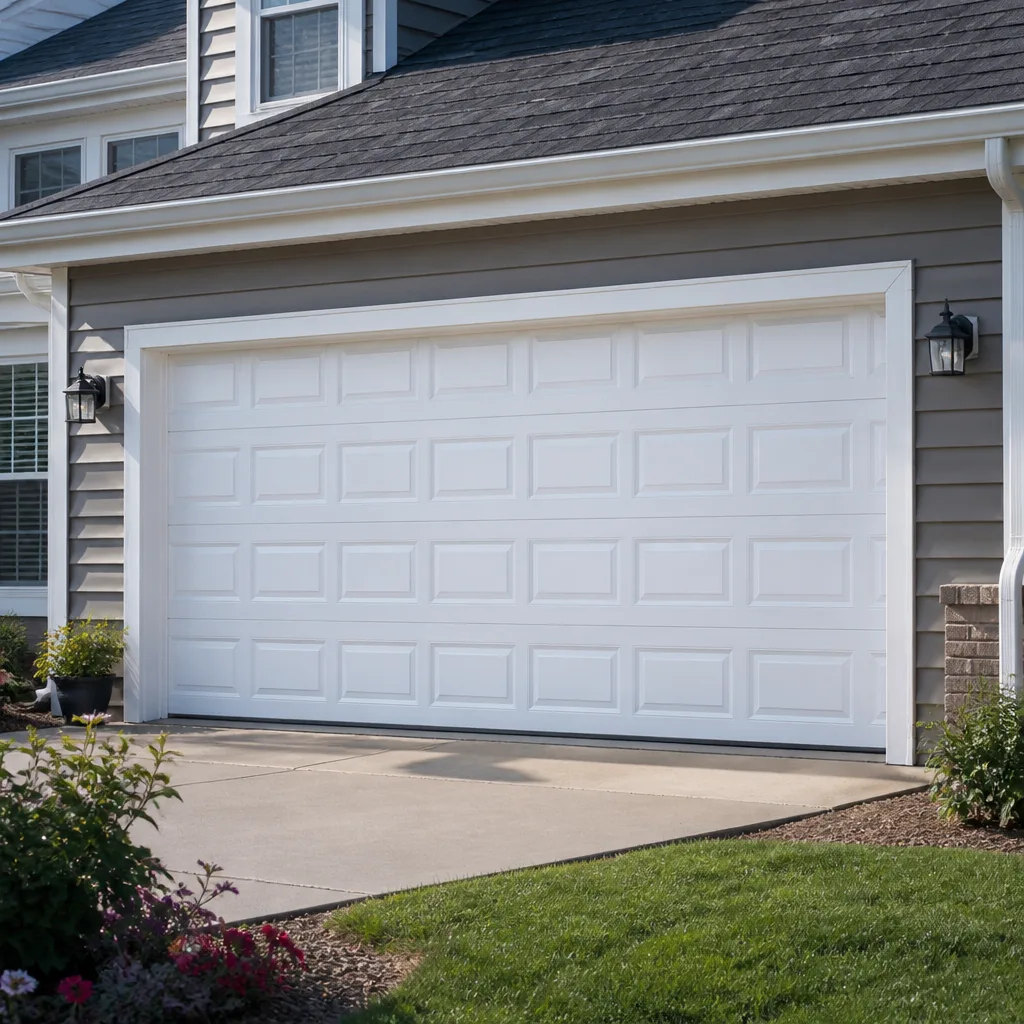 Raised-panel steel
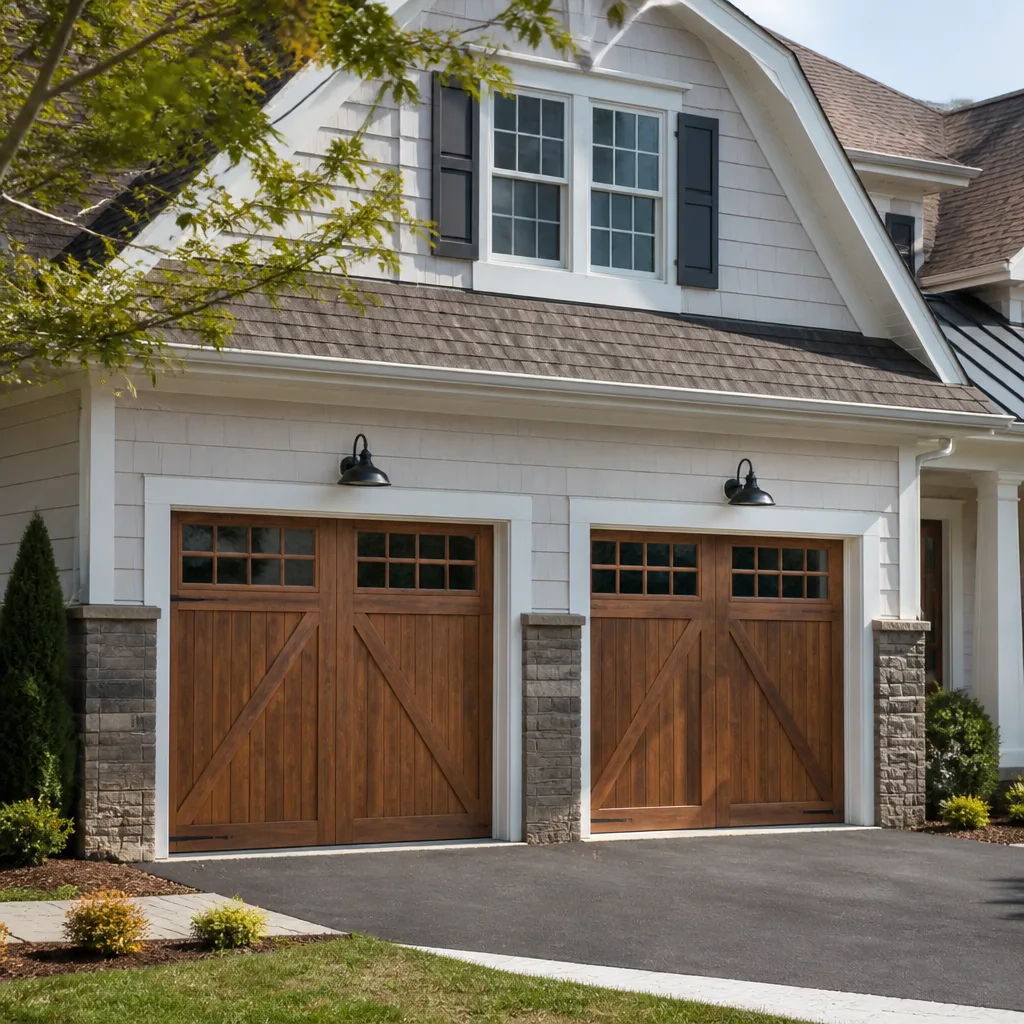 Carriage house
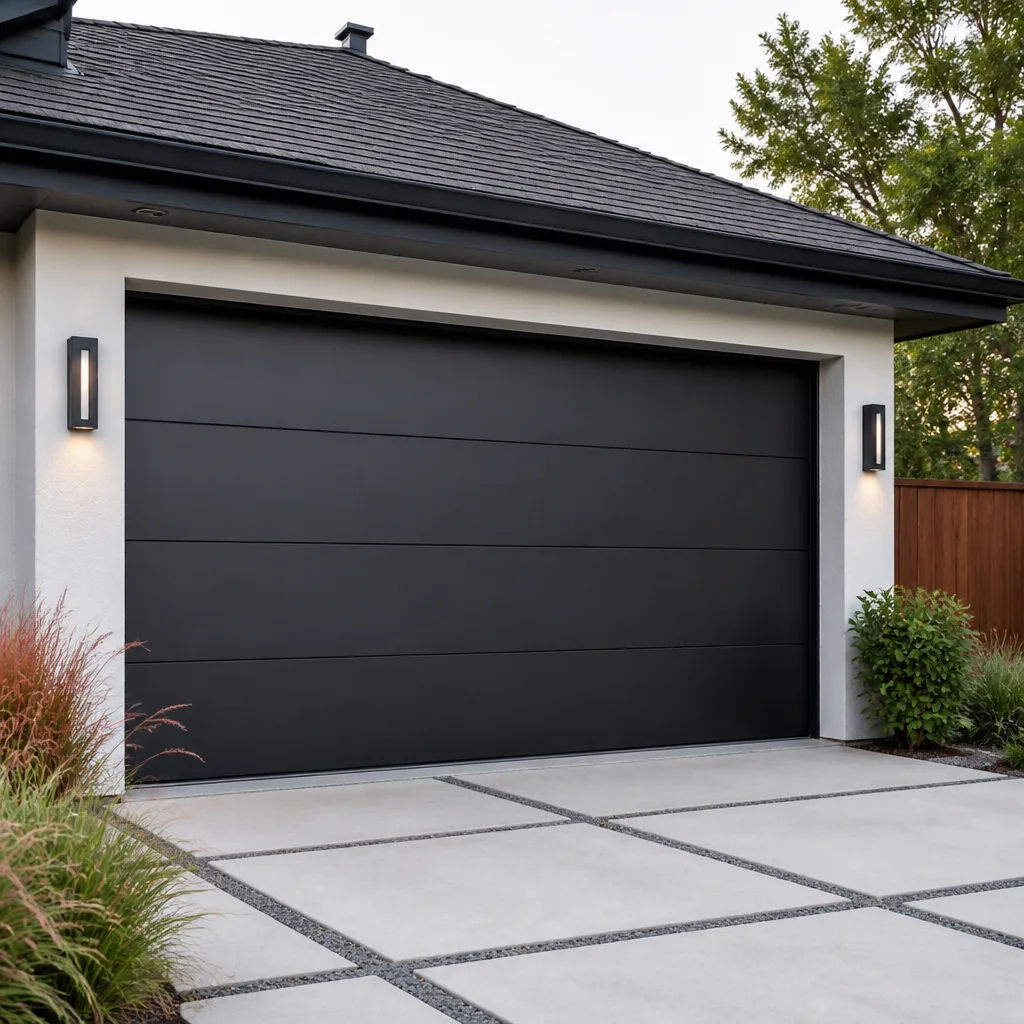 Modern flush
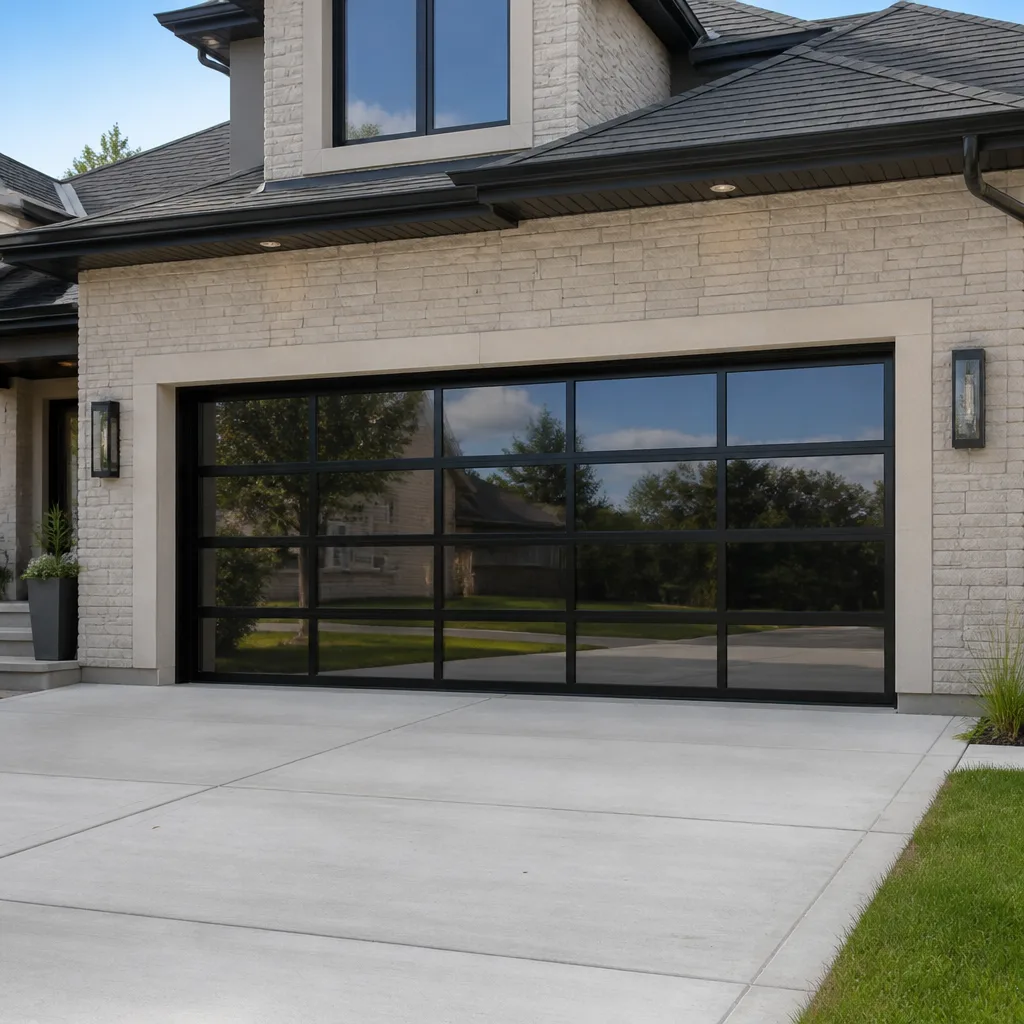 Full-view glass
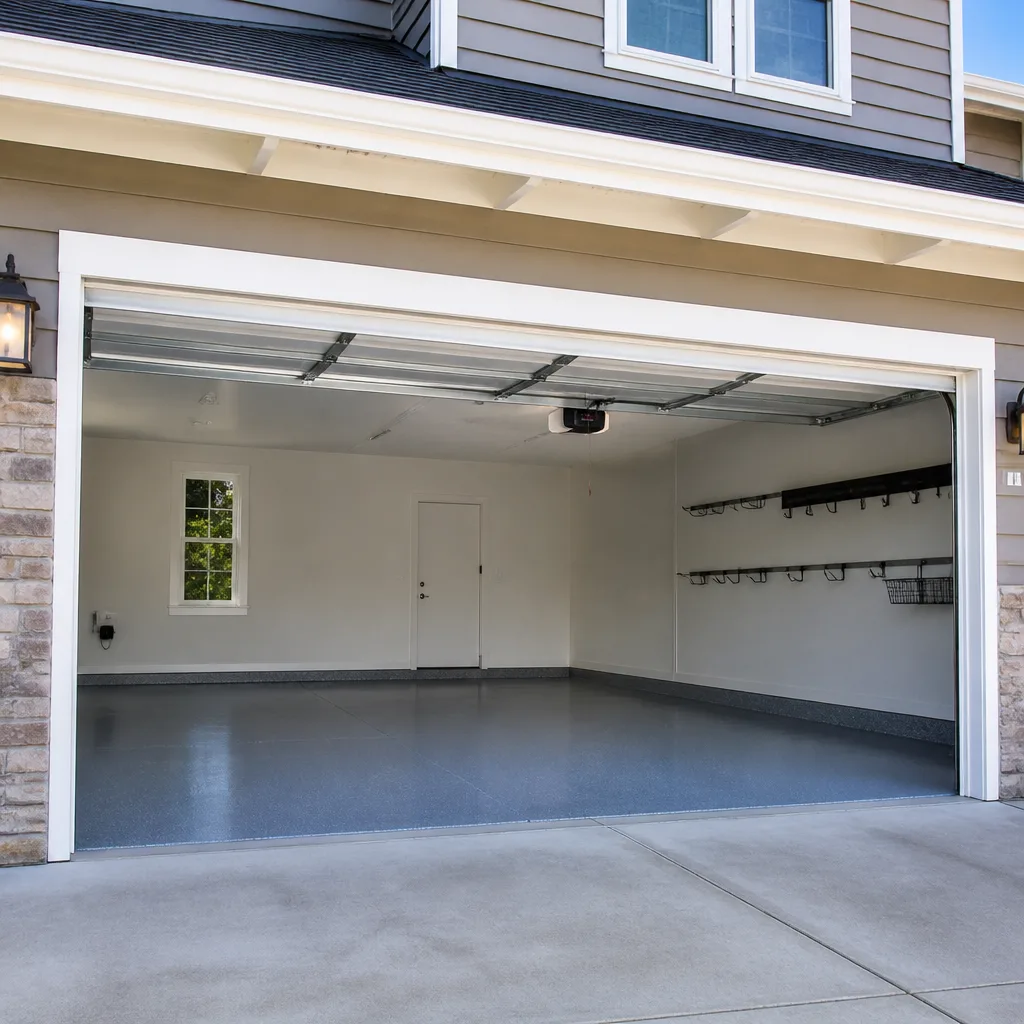 LiftMaster openers
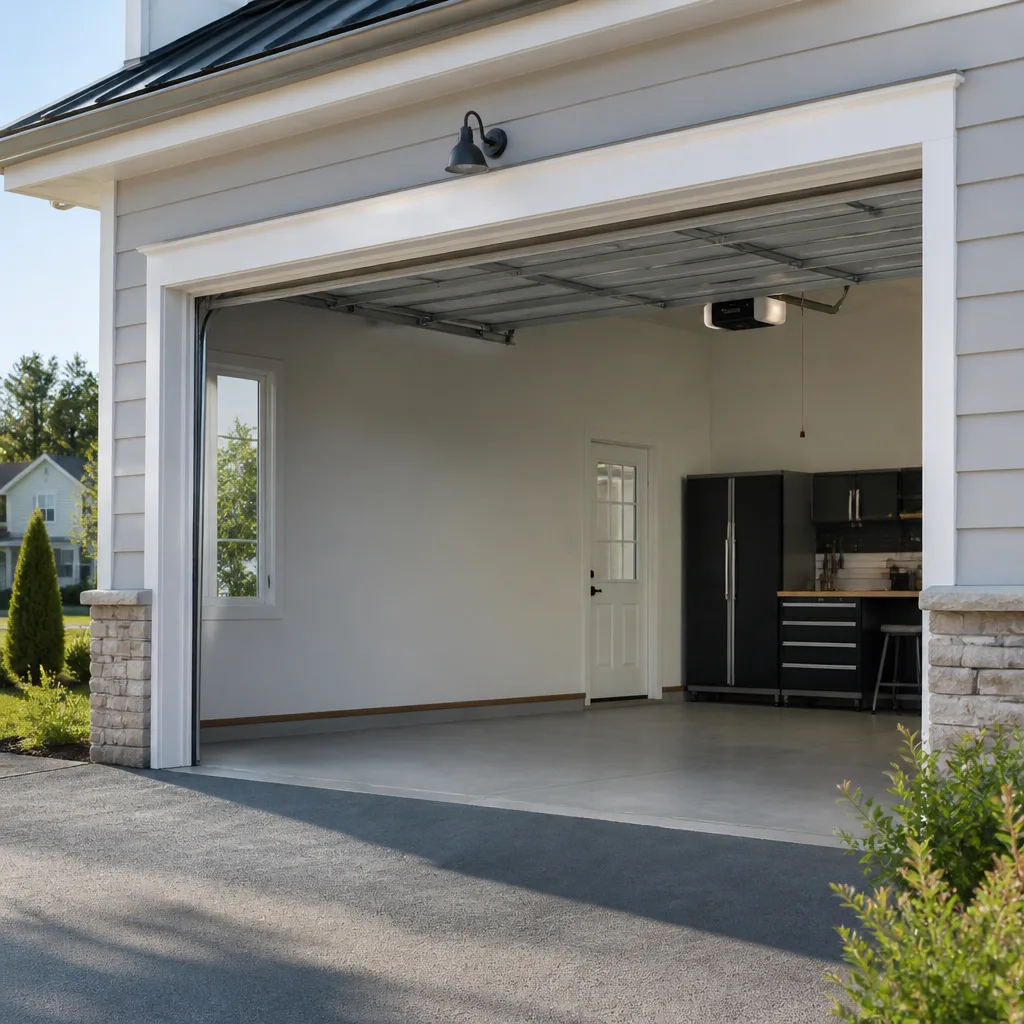 Chamberlain openers
Full 25-point door and opener safety check with every visit - springs, cables, rollers, tracks, and your LiftMaster or Chamberlain opener included
You get a price before we start. It does not change when the pro arrives.
Get your free estimateChoosing the Right Garage Door Brand: A Buyer’s Guide for Linden Hills
Three of the most recognized garage door brands sold in the United States roll out of the same manufacturing plants under different nameplates. That surprises most homeowners shopping for a new door in Linden Hills, and it’s the first thing we tell them. The sticker on the door matters less than you’d think. What actually determines how a door holds up through twenty Minnesota winters is the steel gauge, the spring system behind it, and how the insulation is built – three specs that exist whether the door says Clopay or Amarr on it. In this guide, we’ll walk through what to compare, where brand genuinely counts, and how to avoid paying premium prices for a door that gets installed wrong.
Quick Answer
The “best” garage door brand for a Linden Hills home is the one whose door matches your opening’s measurements and insulation needs, whose parts you can actually get replaced locally, and whose warranty pays out on real claims – Clopay, Amarr, Wayne Dalton, and CHI all have service networks in the Minneapolis metro. For most Linden Hills properties, a mid-tier door installed with correctly sized springs will outlast a premium door installed poorly. Compare gauge, spring quality, and insulation construction before you compare logos.
Styles & brands we work with
- Raised-panel steel
- Carriage house
- Modern flush
- Full-view glass
- LiftMaster openers
- Chamberlain openers
Table of Contents
- Why brand is the wrong place to start
- The three specs that actually matter in Minnesota
- Parts availability and service networks in the metro
- What a “lifetime” warranty really covers
- Low-clearance and cold-weather seal options
- Brand vs. installer quality: the honest answer
- A step-by-step way to choose
- Common mistakes to avoid
Why brand is the wrong place to start
A large share of the residential garage doors sold in the U.S. come from a small number of factories. Nameplate brands buy from those factories, specify their own hardware and finish, and put their logo on the result. That doesn’t make brand meaningless – it means brand is a proxy for a handful of things you can measure directly. Two doors from different brands can share identical 24-gauge steel and nearly identical spring setups. Two doors from the same brand can be a low-end builder model and a premium insulated door, and they’ll perform nothing alike.
Here’s what actually separates one door from another, regardless of the name on it:
- Steel gauge: Lower numbers mean thicker steel. A 24-gauge door dents more easily than a 27-gauge door. For a high-cycle household, thicker sections hold up better.
- Spring system: Torsion springs, their cycle rating, and whether the sizing matches the door’s weight. This is the single biggest factor in how long the door runs smoothly, and it has nothing to do with the brand.
- Insulation: Whether the door uses polyurethane or polystyrene foam, how thick the foam is, and how the sections are bonded.
- Hardware: Hinges, rollers, and tracks. These wear out first, and replacement parts need to be available for years.
In Linden Hills, the housing stock pushes this conversation toward fit more than flash. There are older homes around the neighborhood with tighter overhead clearance and nonstandard opening dimensions, and a door that measures correctly with the right spring size will outperform a fancier model that had to be shimmed into place. We work on all of these systems, which is why we tell customers to start with measurements and specs rather than a brand catalog.
The three specs that actually matter in Minnesota
Minnesota’s temperature swings are the reason spec-shopping beats brand-shopping here. A door in Linden Hills must open reliably at 10 below zero and stay closed against a January wind without the panels flexing. Three attributes determine that more than any logo.
Steel gauge
The steel skin is the first thing that dents and the last thing most homeowners check. A 24-gauge face is the sweet spot for a residential door: heavy enough to hold its shape, light enough that the opener and springs don’t fight it. If a door feels thin or flexes when you press on a section, ask what gauge it is. The answer, not the brand, tells you how it will look after a few Minnesota winters.
Insulation: polyurethane vs. polystyrene
Polystyrene foam is beadboard-style, lighter, and cheaper. Polyurethane is denser, gives a higher insulation value for the same thickness, and holds up better when temperatures drop. For an attached garage in Linden Hills that sits under living space or next to a heated room, polyurethane with a thermal break is the better long-term pick. For a detached garage where the door just needs to keep snow out, a polystyrene door can be a sensible spend. Neither decision is brand-dependent.
Thermal break construction
A thermal break is a piece of material that separates the outer steel skin from the inner skin so cold doesn’t conduct straight through. On a cold-morning door, a thermal break cuts condensation on the inside face and makes the door feel less like a radiator. Look for thermal break in the spec sheet, not the marketing copy – some “insulated” doors are just a foam fill with no break.
Spring cycle rating
Springs carry a cycle rating – how many open-and-close runs they’ll survive before failing. A higher cycling spring costs a little more up front and lasts much longer. On a Linden Hills household where the door runs several times a day, that difference shows up quickly. Spring quality is where cheap doors quietly cut corners, and it’s the reason our team treats garage door repair Linden Hills and spring work as a discipline rather than a favor. Ask what the spring cycles are rated at before you sign a door contract.
Parts availability and service networks in the metro
Brand matters most in the years after installation, when a roller wears out or a panel gets backed into. Here, brand is a proxy for “can I get parts in the Minneapolis metro?” When a door is discontinued, the difference between a fast fix and a waiting game is parts availability – and that runs through the brand’s distribution, not the installer’s truck.
For Linden Hills homes, the brands to check parts availability on before you buy are Clopay, Amarr, Wayne Dalton, and CHI. Each carries a broad residential lineup and has distribution in the metro area. How the comparison tends to run:
- Clopay: Wide parts catalog and broad dealer network in the metro. Common panel sizes and hardware make repairs easier when something gets damaged.
- Amarr: Solid availability of standard components, with a road-tested lineup for insulated doors in cold climates.
- Wayne Dalton: Often the better fit for older homes with tight clearances, and parts are reachable through the metro network.
- CHI: Good build quality and a reliable parts pipeline for standard residential doors.
- Craftsman: Common on openers as a house brand sold through retailers – worth knowing when you replace the opener, since the door brand and the opener brand are separate decisions.
The practical move: before you commit to a brand, ask “if the bottom panel gets dented in two years, how long to replace it?” Any local installer who can’t answer that is guessing. If you’ve already got the door and an opener struggle, our garage door opener repair team can sort the drive side without changing the door.
What a “lifetime” warranty really covers
A “lifetime” panel warranty usually covers only the painted steel skin against rust-through, and only for defects the manufacturer considers manufacturing defects. It rarely covers labor, springs, rollers, hinges, or the tracks. That’s why two doors with identical “lifetime” language can pay out very different amounts when a real claim lands in Linden Hills.
Read four things in the warranty before you buy:
- What’s covered: Panels, hardware, springs, and finish are four separate coverages. Lifetime on the panel says nothing about the spring system.
- What’s excluded: Labor is almost always excluded. So are damage from impact, incorrect spring sizing, and installation error.
- How long it runs: A “lifetime” panel warranty on a door you replace in fifteen years ends when you replace it.
- Who services it: A warranty is only as good as the local service network. A door with a fantastic out-of-state warranty and no metro service path is a door you’ll end up fixing yourself.
What we’ve seen in Linden Hills claims is simple: the doors that generate the fewest warranty fights are the ones installed correctly in the first place, with springs matched to weight and tracks plumb. Good installation does more for a warranty than good marketing copy. If a spring snaps, our spring repair specialists treat that as a safety-critical job – and we can handle any brand-specific part once we know the model.
Low-clearance and cold-weather seal options
Linden Hills has plenty of older homes with garages that were never designed around modern door heights and headroom. That’s where brand choice actually earns its keep: which manufacturers make low-clearance options, and which build cold-weather seals that survive a Minnesota February.
On low clearance, look for doors that offer:
- Low-headroom track kits: Horizontal tracks that fit tighter headrooms without shortening the door’s travel. Wayne Dalton is often a good starting point for tight older openings.
- Low-clearance openers: Some doors pair with opener mounts that tuck close to the ceiling – relevant when the door and opener both need to fit.
- Seal systems: Bottom astragal seals and side seals that stay flexible in cold. Some brands handle this better than others; ask what the seal material is rated for, not just that a seal exists.
Cold-weather seal design is a quiet strength for a few brands in the metro, and a quiet weakness for others. A door that seals well in Linden Hills keeps the wind out of the garage and stops the cold plate effect on floors. If you’re replacing a door on an older home, this is the one place in the brand comparison where we’d put real weight on the brand name – because the seal and the low-clearance hardware are the parts you can’t retrofit cheaply later. Our garage door installation team measures these openings before any door is ordered.
Brand vs. installer quality: the honest answer
A mid-tier door installed correctly outperforms a premium door installed with wrong spring sizing or out-of-plumb tracks every time. This is the part most buying guides leave out, and it’s the part that decides how a door feels a year from now.
What “installed correctly” actually means:
- Springs sized to the door’s as-built weight. Not the spec sheet’s nominal weight. A slightly heavy door with undersized springs cycles hard and fails early.
- Tracks plumb and level. A door that travels crooked binds, wears rollers, and eventually rests on a bent track.
- Panel alignment checked at full open and full close. A premium door that rubs its side seals will look worn well before its time.
- Opener force limits and travel set after the door is installed. The opener should follow the door, not compensate for a door that’s out of adjustment.
- Weather seal checked at the floor and the sides. A great door with a bad seal in Minnesota is a cold door.
We’re garage door specialists, not a general handyman outfit or a big-box installer. Every call is within one trade – the door system and the opener/drive system, or both. That single-trade focus is why we can compare brands honestly on the specs and still turn around a daily driver full-system fix, including the door and the opener on one job. If you want the door sorted by specialists, call (855) 710-3186 for a free estimate.
A step-by-step way to choose
If you want a clean process for choosing a door brand in Linden Hills, work through it in this order. It puts the specs first and the logo where it belongs.
- Measure the opening and headroom. Height, width, and overhead clearance. This determines which doors are even eligible before brand enters the conversation.
- Decide insulation based on the garage. Polyurethane with a thermal break for an attached garage or heated adjacency; polystyrene is fine for a detached garage.
- Compare steel gauge and spring cycles. Ask for the gauge and the cycle rating on paper. Then compare panels across brands at the same gauge and same cycle rating.
- Check parts availability in the metro. Ask how long a bottom panel takes to source, given the brand.
- Read the warranty in four parts. What’s covered, what’s excluded, how long it runs, who services it.
- Look at low-clearance and seal design if you’re on an older home. These are the brand-specific strengths that matter here.
- Lock in the installer before the door. Correct spring sizing and plumb tracks are worth more than a premium logo.
For a door that already exists and has stopped behaving, our garage door repair page covers the fix side of the same conversation.
Common Mistakes to Avoid
- Paying for a premium brand when the spec isn’t there. Two doors from different brands can share identical 24-gauge steel. Compare the spec sheet, not the marketing page.
- Buying on “insulated” alone. Some insulated doors are foam-filled without a thermal break. Ask specifically about thermal break for an attached garage in Linden Hills.
- Ignoring spring cycle rating. Cheap doors cut corners on springs first. Get the cycle rating before you sign.
- Reading the warranty headline, skipping the exclusions. A lifetime panel warranty rarely covers labor, springs, or impact damage. Read all four parts.
- Ordering a door before measuring the older opening. Linden Hills homes with tight or nonstandard openings are where wrong-size orders cost the most time.
- Letting the door brand drive the opener choice. The opener and the door are separate systems – match the opener to the door’s weight and the driver’s needs, not the sticker on the door.
- Booking an installer who isn’t a door specialist. A generalist will install the panel; the spring sizing and track alignment are where the job succeeds or fails.
See the difference
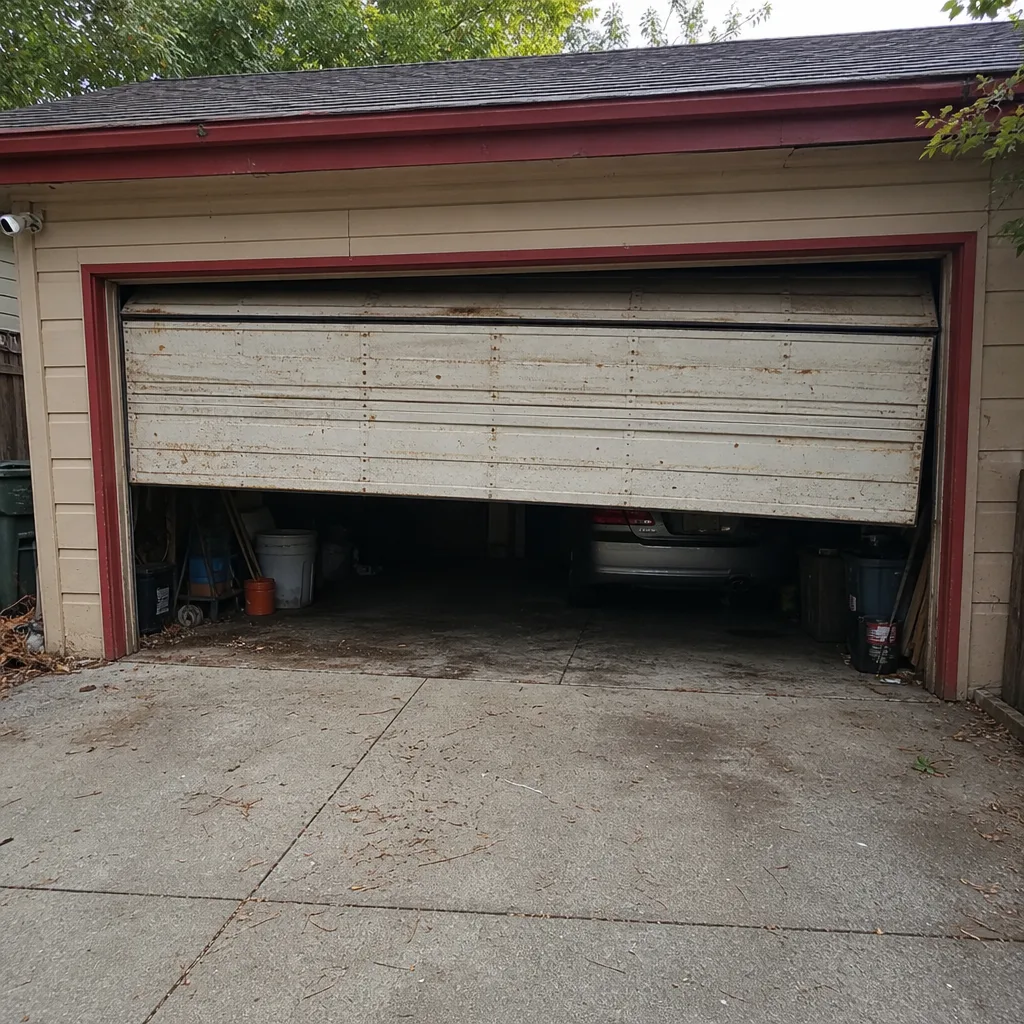 Before
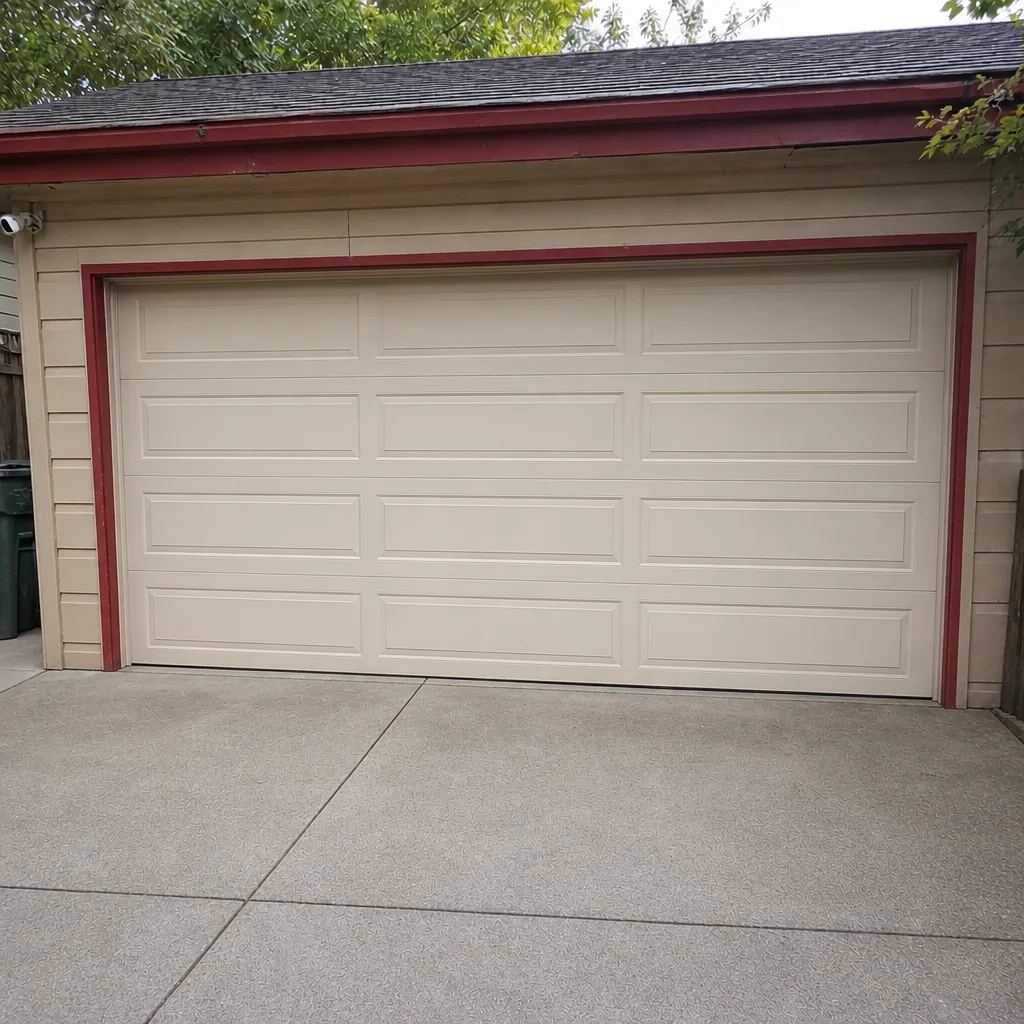 After
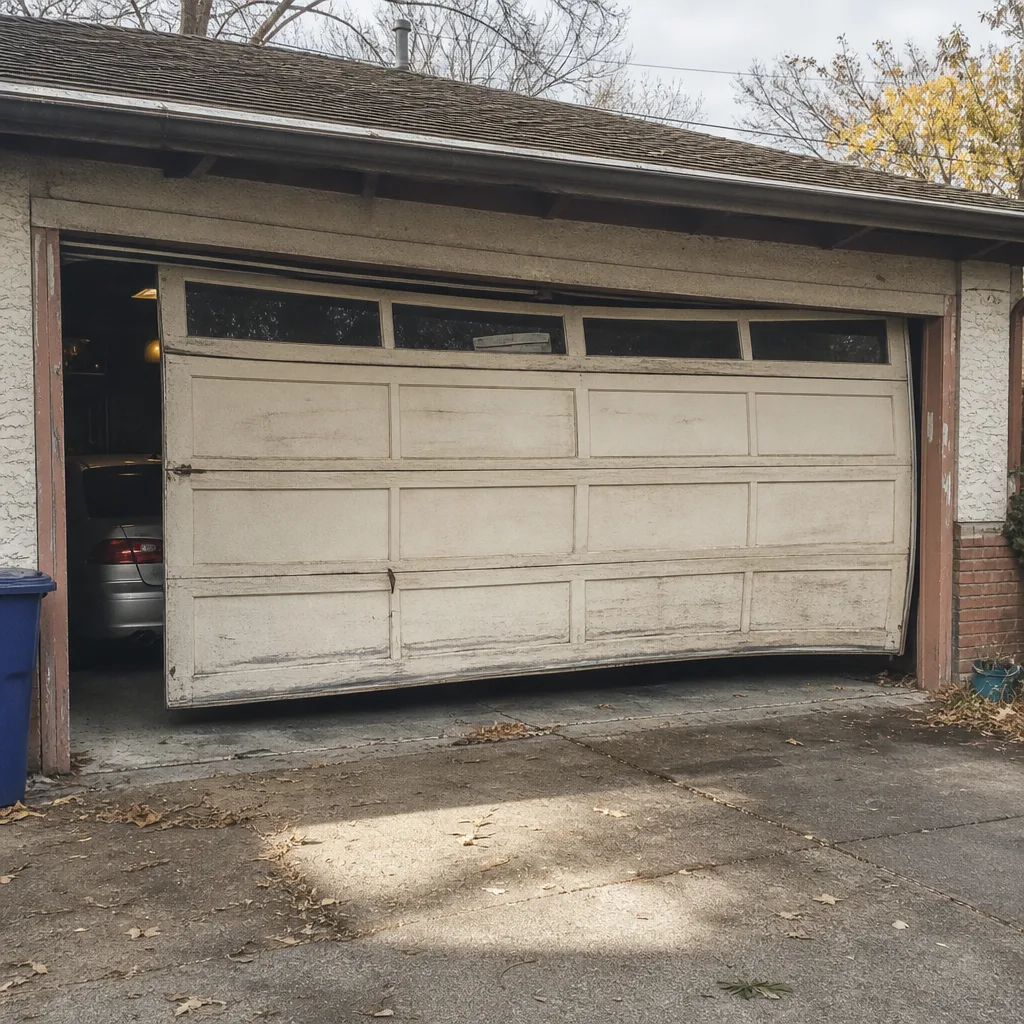 Before
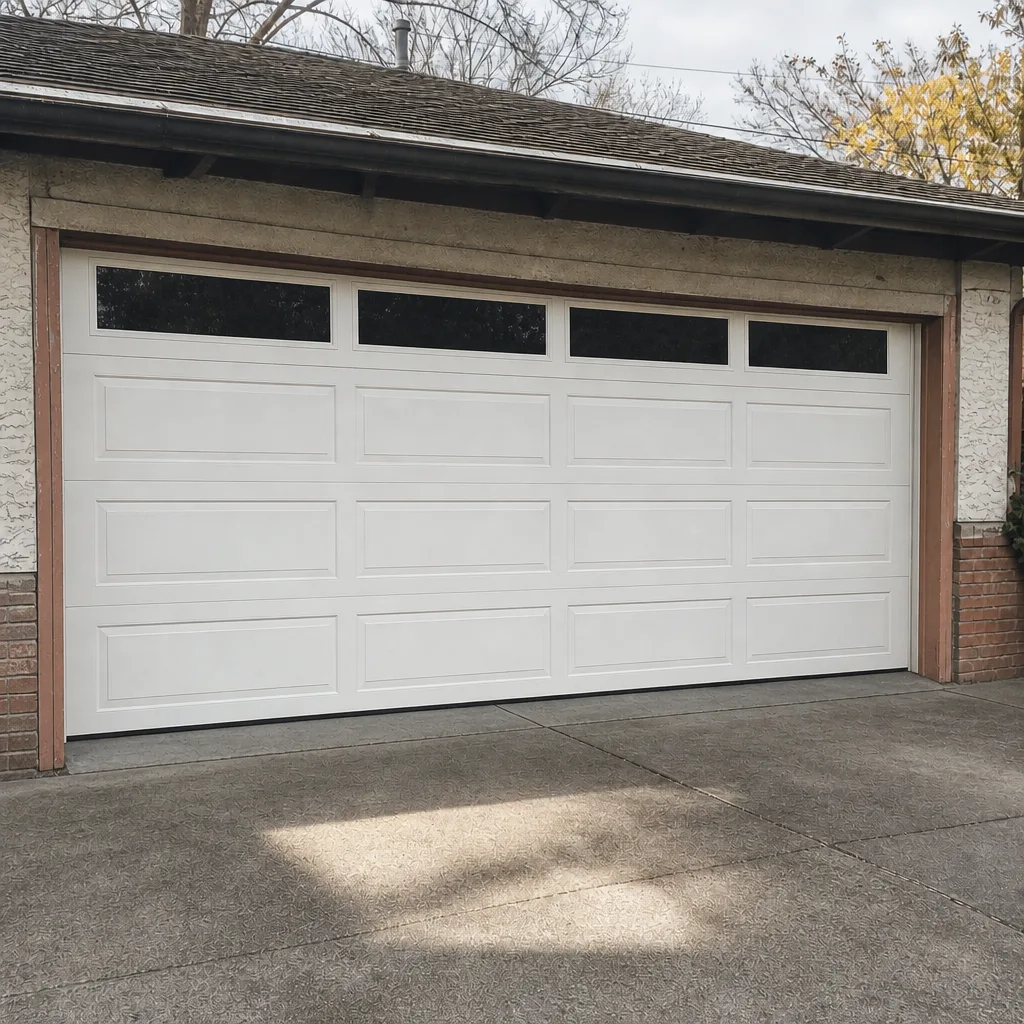 After
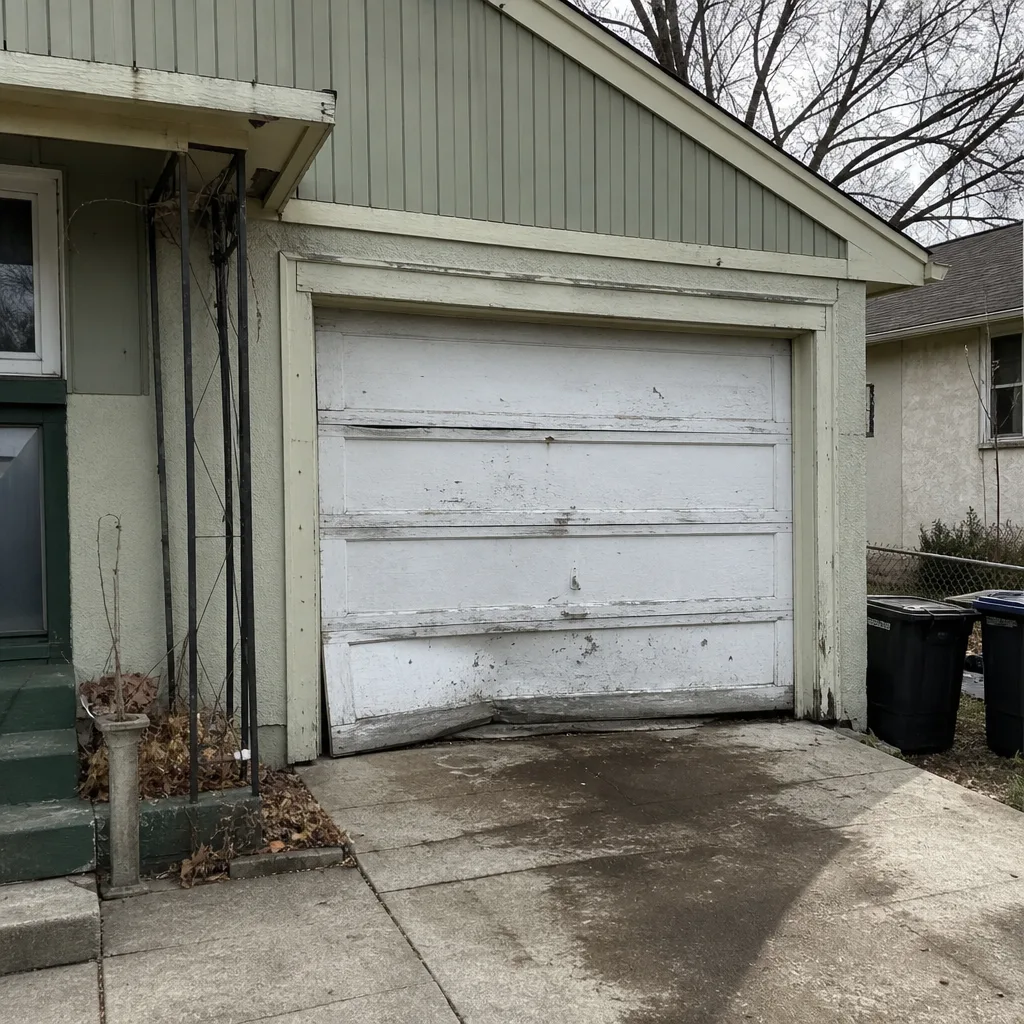 Before
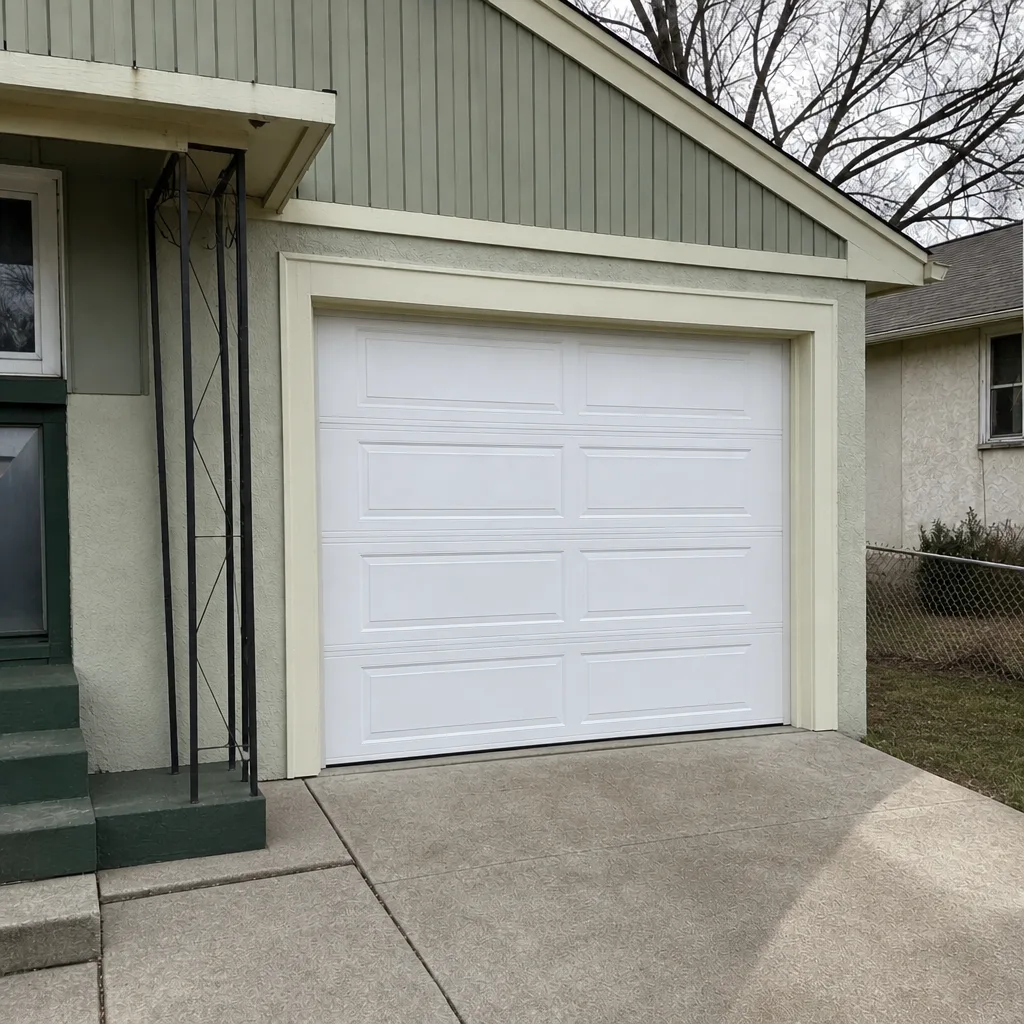 After
When to Call a Professional
Garage door work crosses into danger quickly. Torsion springs are wound under extreme tension, and a amateur adjustment can release that tension without warning. If a spring is snapped, the door is hard to lift, the cables are slack, or the door has come off its track, stop and call. Don’t try to adjust springs or rehang cables yourself; a trained specialist has the tools, the gauges for spring sizing, and the safety discipline for that job. Same on electrical work for an opener circuit and on overhead clearance checks that involve height – those get a professional.
Emergency service is one of our core offerings, not an upsell. If a door won’t close and the house is left open, or the door is stuck halfway in a Linden Hills home, we can get you booked. Garage Door Repair Linden Hills offers free estimates in Linden Hills – call (855) 710-3186. The price is quoted and agreed before any work starts, so there’s no invoice surprise after the technician leaves.
Frequently Asked Questions
The best brand is the one that matches your opening’s measurements and insulation needs and has parts you can get replaced in the Minneapolis metro – Clopay, Amarr, Wayne Dalton, and CHI all fit that test. What matters more than the logo is steel gauge, spring cycle rating, and thermal-break construction. If you want help comparing those specs on your actual door opening, call (855) 710-3186 for a free estimate.
Neither is universally “better” in Minnesota weather; the deciding factor is insulation construction and seal design on the specific model, not the brand name. Both offer insulated doors with thermal break, and both have parts networks in the metro. Compare the specific model’s gauge, insulation type, and seal material for your garage before you pick a name.
A new residential door in Linden Hills typically runs roughly $900 to $3,500+ installed, depending on door size, steel gauge, insulation type, and hardware – and the exact figure depends on your opening and door model. The written estimate sets the final price, and it’s quoted and agreed before any work starts. Call (855) 710-3186 for an exact quote – estimates are free.
No – the price we quote is the price, and it’s agreed with you before any work starts. The main reason a quote changes in either direction is when a hidden issue turns up during measurement, like incorrect spring sizing or a bent track, and we’ll tell you before we touch the door. Call (855) 710-3186 for a free estimate with no surprises on the invoice.
We work across LiftMaster, Chamberlain, Genie, Clopay, Amarr, Wayne Dalton, Craftsman, and Raynor – the brands on the vast majority of homes here. Our technicians have up to 12 years of experience, and one call covers both the door and the opener. If your brand isn’t on that list, call (855) 710-3186 and we’ll tell you straight whether we can take it on.
Spring life is measured in open-close cycles, not calendar years, so a heavily used Linden Hills door can wear out springs faster than a lightly used one. The brand of the spring manufacturer matters less than the cycle rating you buy and whether the spring was sized to the door’s actual weight. When a spring snaps or the door starts struggling, call (855) 710-3186 – spring repair is a safety-critical job for a specialist.
The Bottom Line
Brand is the least important part of a garage door decision in Linden Hills, but it isn’t irrelevant. The logo on the panel tells you about parts, warranty service, and cold-weather seal design – those are real reasons to choose one brand over another. What the logo doesn’t tell you is steel gauge, spring cycle rating, or thermal break construction, and those three specs decide how the door holds up through Minnesota winters. Measure first, spec second, brand third, then put the install in a specialist’s hands. A correctly installed mid-tier door will beat a premium door installed wrong every time, and the price is agreed before any work starts.
Written by the team at Garage Door Repair Linden Hills.
Ready to compare doors and get a straight answer on what fits your opening? Call (855) 710-3186 for a free estimate. We’ll measure the opening, walk you through the specs that matter in Linden Hills, and quote you a written price before any work begins.