Last updated November 21, 2026
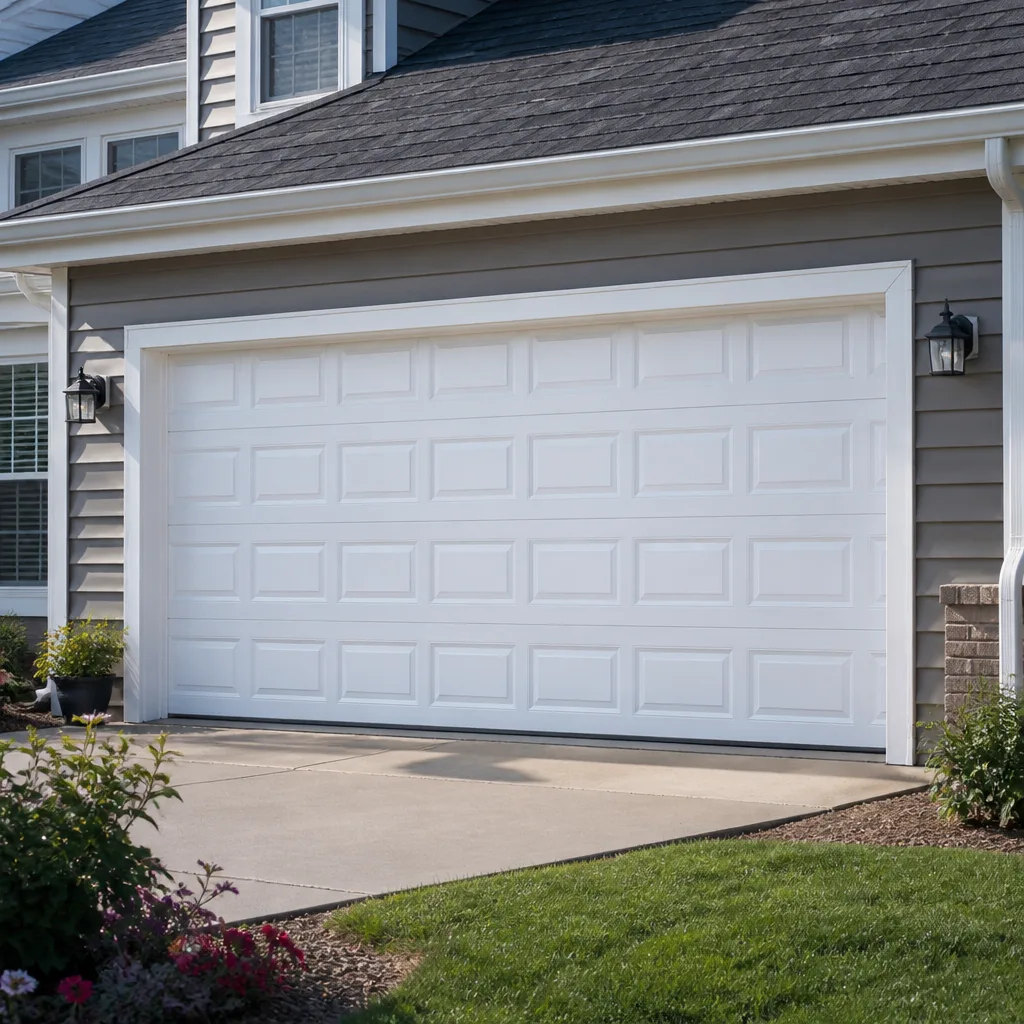 Raised-panel steel
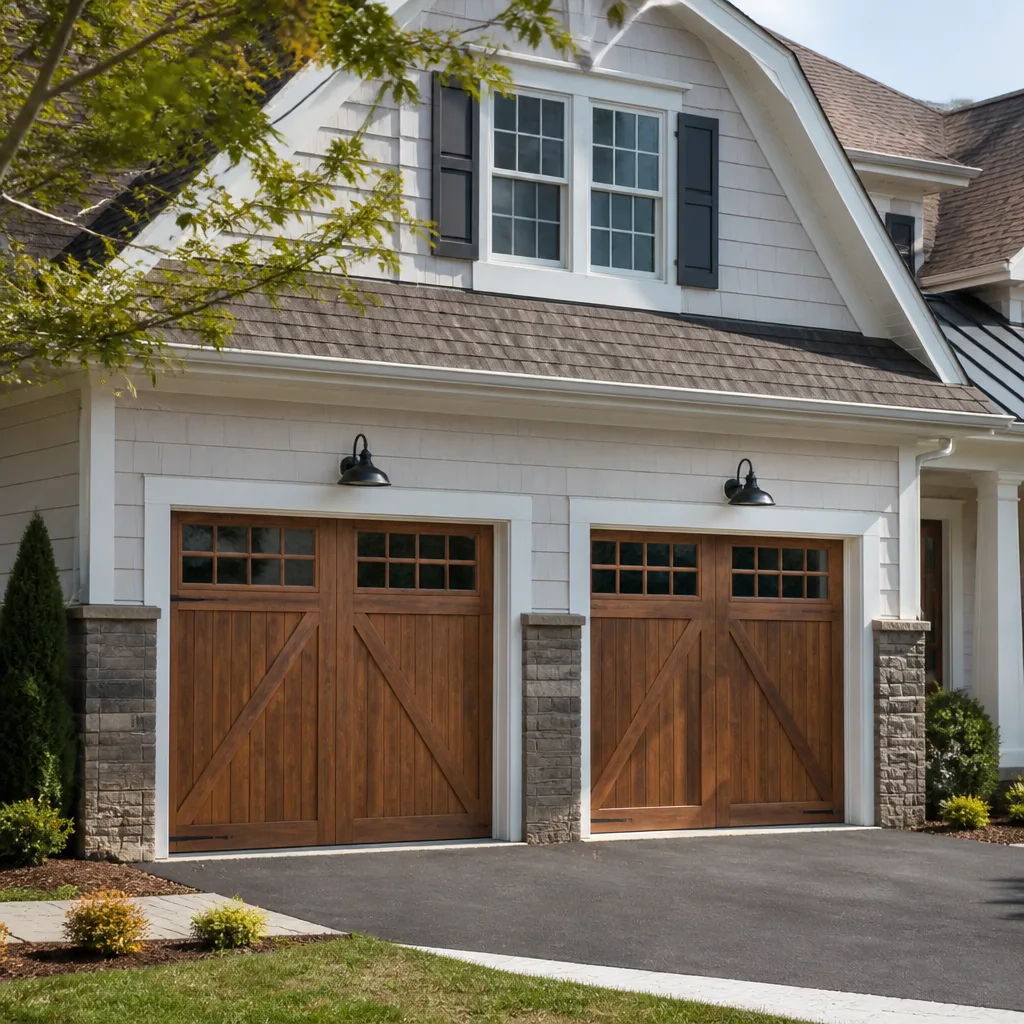 Carriage house
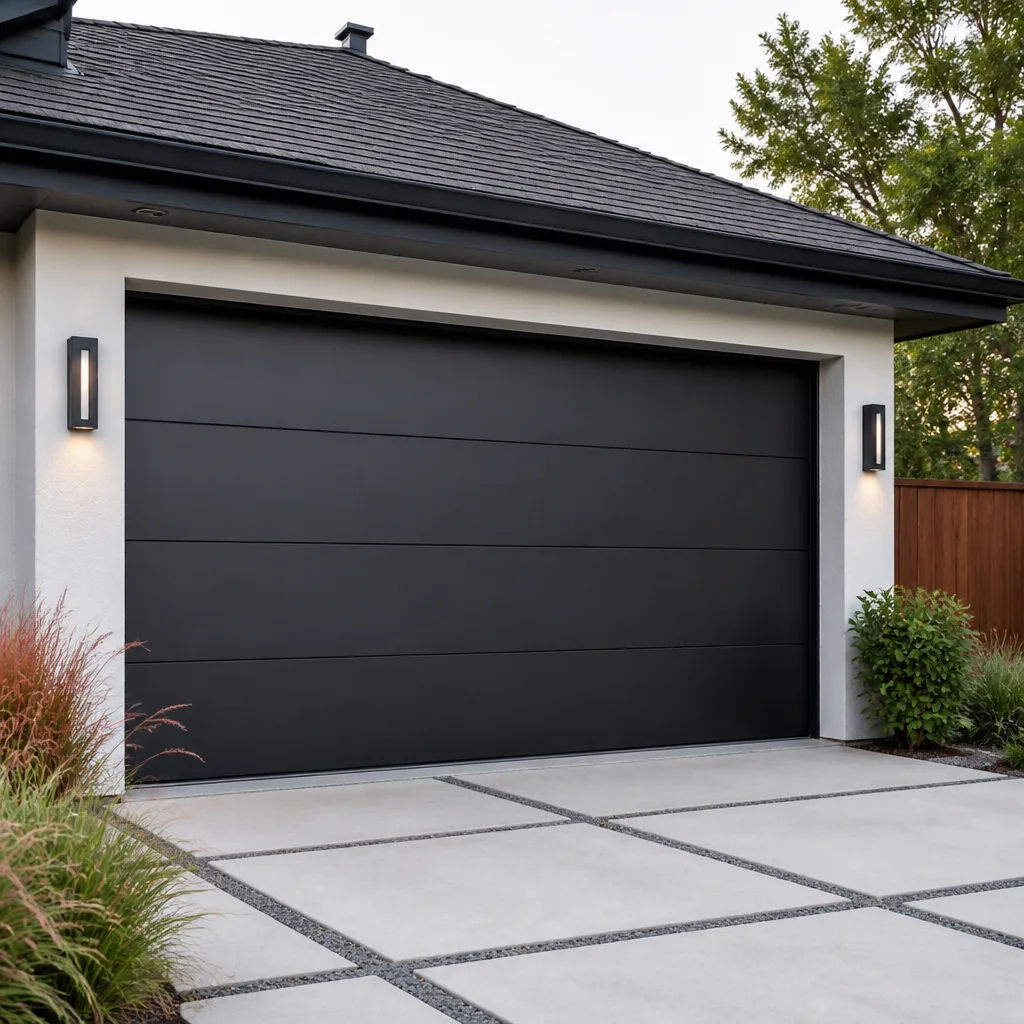 Modern flush
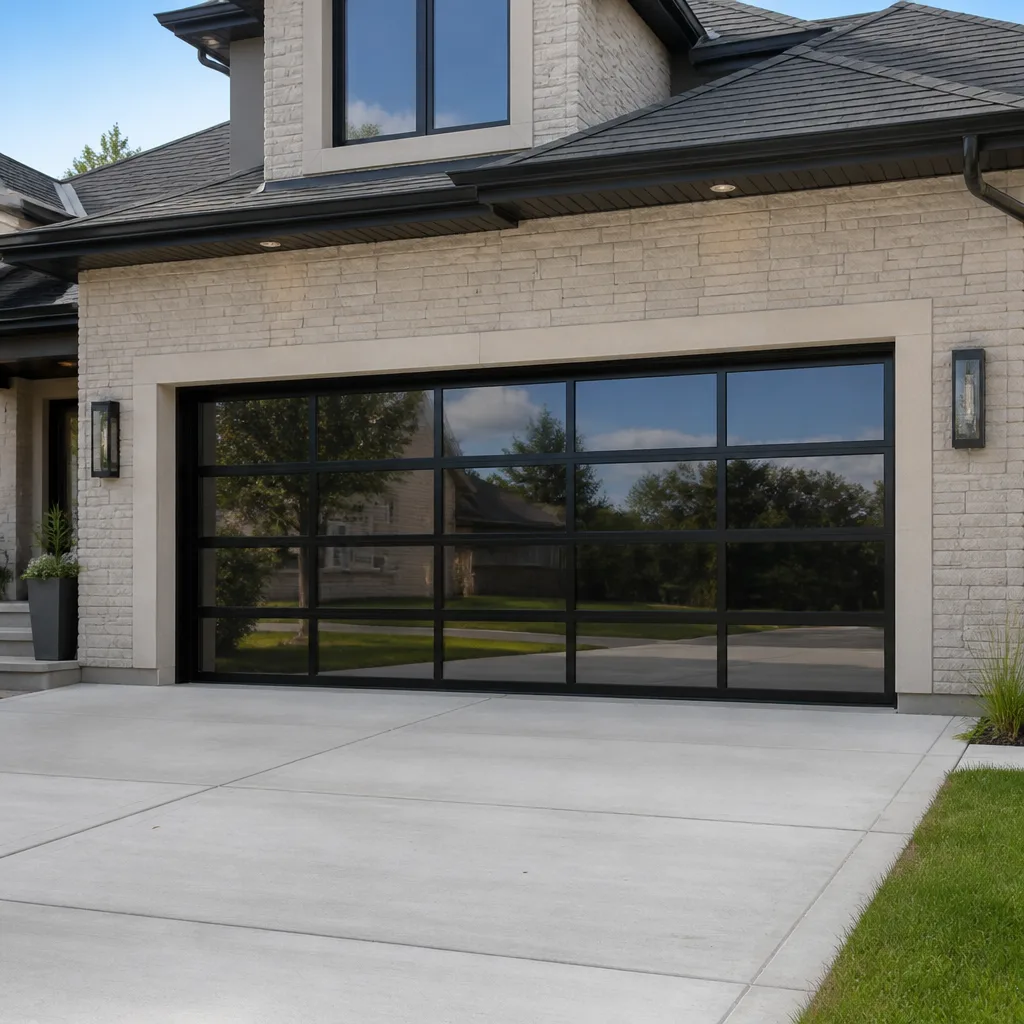 Full-view glass
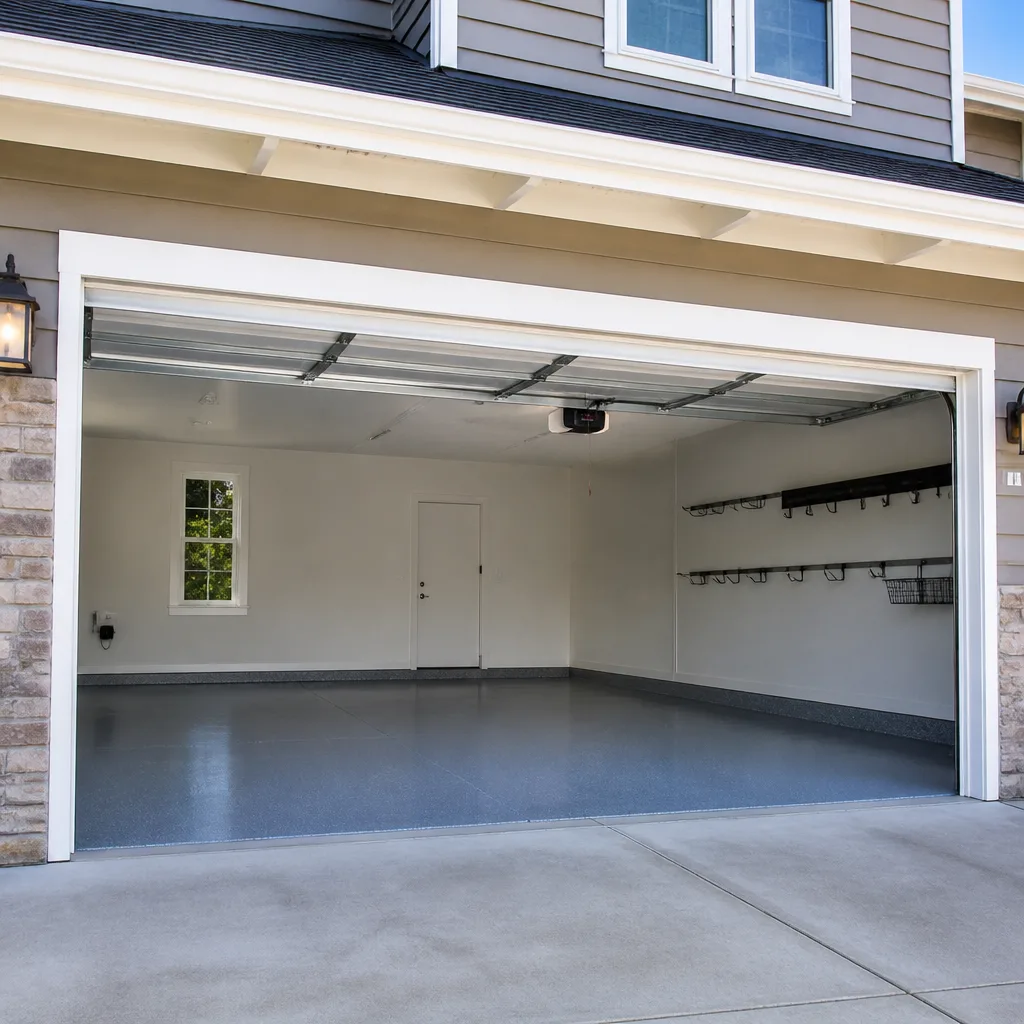 LiftMaster openers
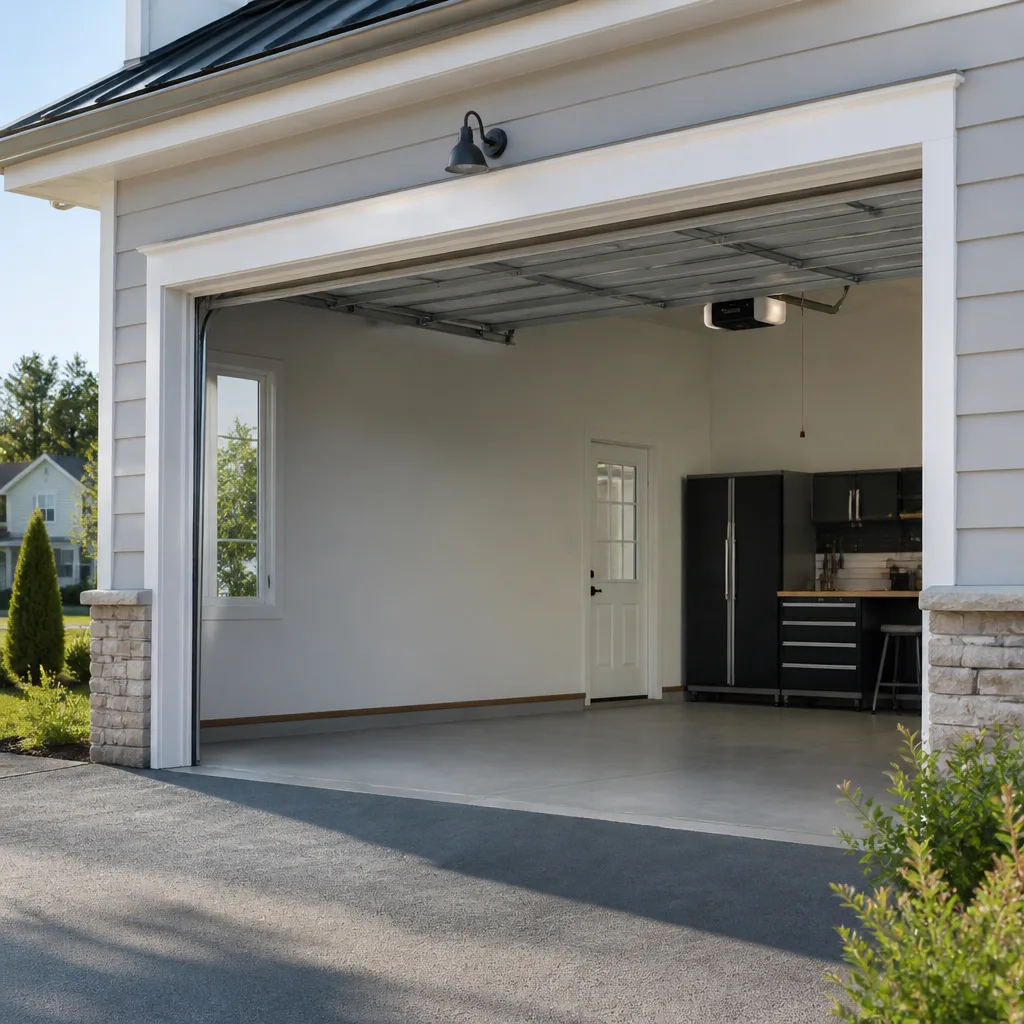 Chamberlain openers
Full 25-point door and opener safety check with every visit - springs, cables, rollers, tracks, and your LiftMaster or Chamberlain opener included
You get a price before we start. It does not change when the pro arrives.
Get your free estimateGarage Door Repair Troubleshooting in Linden Hills: Common Problems and How to Fix Them
A garage door that reverses before it closes isn’t broken. Its safety sensors are doing exactly the job they were designed to do, and knowing that distinction can save you a service call and a few hours of worry. Most garage door trouble in Linden Hills isn’t a single failed part; it’s a system telling you where the weak point is. The door, the springs, the cables, the tracks, and the opener all share one job, and when one component falls out of balance the whole door acts up. This guide walks you through component-level troubleshooting so you can figure out whether you’re looking at an opener fault, a mechanical failure, or something as simple as a cold-compressed bottom seal. You’ll learn what’s safe to check yourself and what needs a technician.
Quick Answer
Garage door problems usually come down to one of four systems: the opener, the springs, the cables, or the tracks. You can safely check the opener, the sensors, and the seal yourself, but torsion springs and cables under tension are dangerous and should only be handled by a trained technician. If you can’t isolate the cause in a few minutes, Garage Door Repair Linden Hills offers free estimates and same-day service.
Styles & brands we work with
- Raised-panel steel
- Carriage house
- Modern flush
- Full-view glass
- LiftMaster openers
- Chamberlain openers
Table of Contents
- Opener Failure vs. Mechanical Failure: How to Tell the Difference
- Torsion Spring Balance Testing and the Mid-Height Lift Test
- Reading LiftMaster and Chamberlain Blink Codes
- Why Minnesota Freeze-Thaw Cycles Mimic Sensor Problems
- Track and Cable Problems: What You Can See and What You Can’t
- DIY-Safe Checks vs. Jobs That Need a Technician
- When to Call a Professional
Opener Failure vs. Mechanical Failure: How to Tell the Difference
Before you touch anything, figure out which half of the system is failing. This one step prevents most wasted service calls in Linden Hills, because homeowners often replace a perfectly good opener when the real problem is a worn spring or a bent track.
The cleanest test is the manual release. Pull the red emergency cord to disconnect the opener from the door, then try to lift the door by hand. If the door moves smoothly and stays where you leave it, the door and its springs are healthy and the trouble lives in the opener or drive. If the door is heavy, jerky, binds partway up, or slams down, the mechanical side is the culprit and the opener is just the messenger.
Here’s how the split usually breaks down:
- Signs of a mechanical failure: the door is hard to lift by hand, it drifts down on its own, you hear a loud bang from above, a cable looks slack, or the door sits crooked in the opening.
- Signs of an opener failure: the door lifts fine by hand but the motor hums without moving it, the remote works intermittently, the wall button does nothing, or the lights flash in a pattern.
If you’ve ruled out the door and the opener itself is the problem, our garage door opener repair handles the motor, the logic board, the drive, and the safety reverse system as one job.
Torsion Spring Balance Testing and the Mid-Height Lift Test
The torsion spring is the part of your door that does the actual heavy lifting. It stores energy when the door closes and releases it as the door opens, so the opener only has to guide a door that already feels light. When a spring weakens or snaps, the door suddenly weighs far more than the opener was built to move.
The safe version of a balance test is the mid-height lift test. With the door disconnected from the opener, raise it by hand to about halfway. A properly balanced door should stay put at mid-height with little effort. If it fights you, drops, or won’t hold, the spring system needs attention.
What a technician actually does goes deeper than that lift test:
- Measures the door’s travel and checks that it runs square in the opening.
- Inspects the torsion bar, drums, and cables for wear or slack.
- Confirms the spring wind count and checks the door’s counterbalance.
- Replaces the spring, or a matched pair of springs, and re-tensions the system.
- Runs the door through several full cycles and re-checks the safety reverse.
Spring work is one of the few genuinely dangerous jobs on a house. A torsion spring under load holds enough force to cause serious injury, so we don’t walk homeowners through winding their own. Our garage door repair team handles spring replacement with the right winding bars and training. If you hear a sharp bang from the ceiling and the door won’t lift, stop and call.
Reading LiftMaster and Chamberlain Blink Codes
Modern openers from LiftMaster and Chamberlain are surprisingly good at telling you what’s wrong; you just have to know where to look. When something fails, the opener often flashes its light or the learn button in a repeating pattern. That pattern is a diagnostic code, and reading it can save you a call to support.
The general idea: count the flashes in the repeating pattern, then match that count to the likely cause in your opener’s manual. Common patterns point to a blocked safety sensor, a wiring fault at the wall control, or a logic board that’s lost its travel limits. On many units a single repeated flash means the safety sensors aren’t seeing each other, while an irregular pattern often means the door hit resistance or the limits need resetting.
Two practical steps help here:
- Find the model number on the back panel or under the light lens, since codes vary by model.
- Write down the flash count before you reset anything, so you can describe it if you do call.
You can also try a hard reset by unplugging the opener for a minute, then reconnecting. If the code returns, it’s a real fault. Crafting a fix for a bad logic board or a failed drive gear isn’t a homeowner job, and that’s where a specialist makes the difference. We service LiftMaster, Chamberlain, Genie, Craftsman, and Raynor openers, so we’re not guessing at your model’s quirks.
Why Minnesota Freeze-Thaw Cycles Mimic Sensor Problems
Linden Hills sits in a climate that swings hard between freezing and thawing through much of the year, and that cycle plays havoc with garage doors. The most common winter complaint – a door that reverses and won’t close – often isn’t a sensor failure at all. It’s a bottom seal that’s compressed and stiffened by cold, so the door’s edge no longer makes clean contact with the floor.
Here’s the mechanism. As temperatures drop, the rubber bottom seal firms up. As the ground heaves and settles with the freeze-thaw cycle, the concrete floor shifts slightly. The seal compresses unevenly, the door’s travel changes, and the safety reverse system reads the extra resistance as an obstruction. It reverses to be safe. The sensors themselves may be perfectly fine.
How to tell the difference:
- Sensor problem: the opener’s indicator lights are off or misaligned, and the door reverses regardless of temperature.
- Seal problem: the door closes most of the way and reverses only in cold weather, and the seal looks flattened or cracked.
You can check alignment yourself by looking at the two small sensor eyes near the floor. If they’re pointed at each other and their lights are steady, the sensors are likely fine. A worn bottom seal and a re-check of the door’s travel limits usually solve the cold-weather reversals. If the door has been misbehaving for a few winters, it’s worth having the seal and the door’s balance checked in one visit.
Track and Cable Problems: What You Can See and What You Can’t
Tracks and cables are the structural bones of your door, and problems here are more visible than spring trouble, though not always safer to fix. Knowing what to look for helps you describe the problem accurately and avoid driving the door into more damage.
Start with the tracks. Look down each vertical track from a few feet back. A healthy track is straight, clear of dents, and bolted tight to the wall. A door that shudders or binds on one side usually has a bent or misaligned track. Debris and grit in the track can also cause a door to jump or drag. Tracks can sometimes be adjusted by a homeowner, but a badly bent one should be replaced.
Cables are a different story. A cable carries the spring’s tension, and a slack or frayed cable is a warning sign, not a fix-it-yourself opportunity. If you see a cable hanging loose, a broken drum, or a door sitting noticeably crooked, stop operating the door. Running it can send the door off its track or drop it, and the cable itself is under enough load to hurt you.
Here’s the safe way to handle what you find:
- Inspect with the door closed and the opener disconnected.
- Note any bends, loose bolts, or frayed cables, without touching the cables yourself.
- Don’t force a crooked door up or down; leave it closed until someone qualified looks at it.
- Call for a technician if you spot a slack or broken cable or a bent track you can’t safely adjust.
When you’re ready for a look at the whole system, our team handles the door, springs, and opener together under one call. That’s the advantage of a single-trade specialist: nothing falls between two contractors.
DIY-Safe Checks vs. Jobs That Need a Technician
Being honest about what you should and shouldn’t touch is the most useful troubleshooting skill you can have. Here’s the split we use with homeowners.
Things that are genuinely DIY-safe:
- Cleaning and aligning the safety sensor eyes, and checking that their lights are steady.
- Testing the manual release and seeing how the door lifts by hand.
- Lubricating hinges, rollers, and the opener’s chain or screw drive with a garage-door-appropriate lubricant.
- Tightening the wall-mounted button and checking the opener’s power source.
- Replacing a remote battery and resetting the opener.
- Sweeping debris out of the tracks.
Jobs that need a technician:
- Torsion spring replacement or adjustment – these hold dangerous stored energy.
- Any work on cables or drums under tension.
- Track straightening that involves loosening and re-bolting the frame.
- Opener logic board, drive gear, or travel-limit repairs on a model you don’t know.
- Panel replacement where the door’s structural frame is involved.
When you’re unsure which camp your problem falls into, that’s a good moment to call. We can talk you through what you’re seeing and, if it needs a visit, schedule it. Our technicians have up to 12 years of experience with doors and openers from every major manufacturer.
How Do I Know If My Garage Door Needs Repair or Replacement?
Most garage doors are repaired, not replaced. If the door panels are structurally sound and only the springs, opener, or hardware have failed, repair is usually the smarter call. Replacement makes better sense when the door is badly rusted, several panels need replacing, or you’re upgrading for a new look.
In Linden Hills, a lot of the housing stock is older, and that shapes the decision. A well-built wood or steel door from decades ago often outperforms a cheap replacement, but wear accumulates at the hinges, the bottom seal, and the rollers. A technician visit can tell you whether a repair will keep the door going for years or whether you’re sinking money into a door that’s near the end of its service life.
If replacement is the answer, our garage door installation covers measuring, ordering, and fitting a door that matches your opening and your home’s style.
How Much Does Garage Door Repair Cost in Linden Hills?
Garage door repair in Linden Hills typically runs $150 to $450 for common jobs, with the written estimate setting the final price. A single torsion spring replacement usually lands in the $180 to $340 range, and a matched pair costs about twice that since both springs wear together. Opener repairs vary by part, and a new bottom seal is one of the more affordable fixes.
Here’s a rough breakdown of what drives the cost:
- Single torsion spring replacement: typically $180 to $340.
- Matched spring pair: about double a single spring, since both are replaced together.
- Opener repair: depends on the part – a remote or sensor is minor, a logic board is more.
- Bottom seal replacement: an economical fix for cold-weather reversals.
- Cable, drum, or track work: priced per job after inspection.
Those numbers are estimates, not quotes. Your written estimate sets the price, and we quote it before any work starts so there are no surprises when the job is done. Wondering whether the price will change once we see it? It won’t without your okay. If the job turns out to involve more than the estimate covered, we talk to you first. Call for a free estimate and we’ll confirm what your door actually needs.
Can You Fix My Door the Same Day?
Most repair calls can be handled the same day, especially safety and access problems like a broken spring or a door stuck open or closed. Emergency garage door service is a real part of what we do, so a failed door at the worst time gets a fast response. Dispatch runs from 7am to 7pm.
Same-day isn’t a promise made on every job – it depends on part availability and the day’s schedule – but we’ll tell you the honest window when you call. For repairs, an early call gives the best chance of same-day service. Call and we’ll give you a clear answer.
Can a Broken Spring Damage the Opener if I Keep Using It?
Yes. Running the opener on a door with a broken spring is one of the most common ways a cheap spring repair turns into an expensive opener replacement. The opener was sized to lift a balanced door, so when the spring fails it has to lift the full door weight alone. The drive gear, the motor, and the logic board take the strain.
If you suspect a broken spring, stop using the opener. Disconnect it if you can and leave the door closed. The spring repair is a fraction of the cost of also replacing an opener, and no repair is worth straining the motor.
See the difference
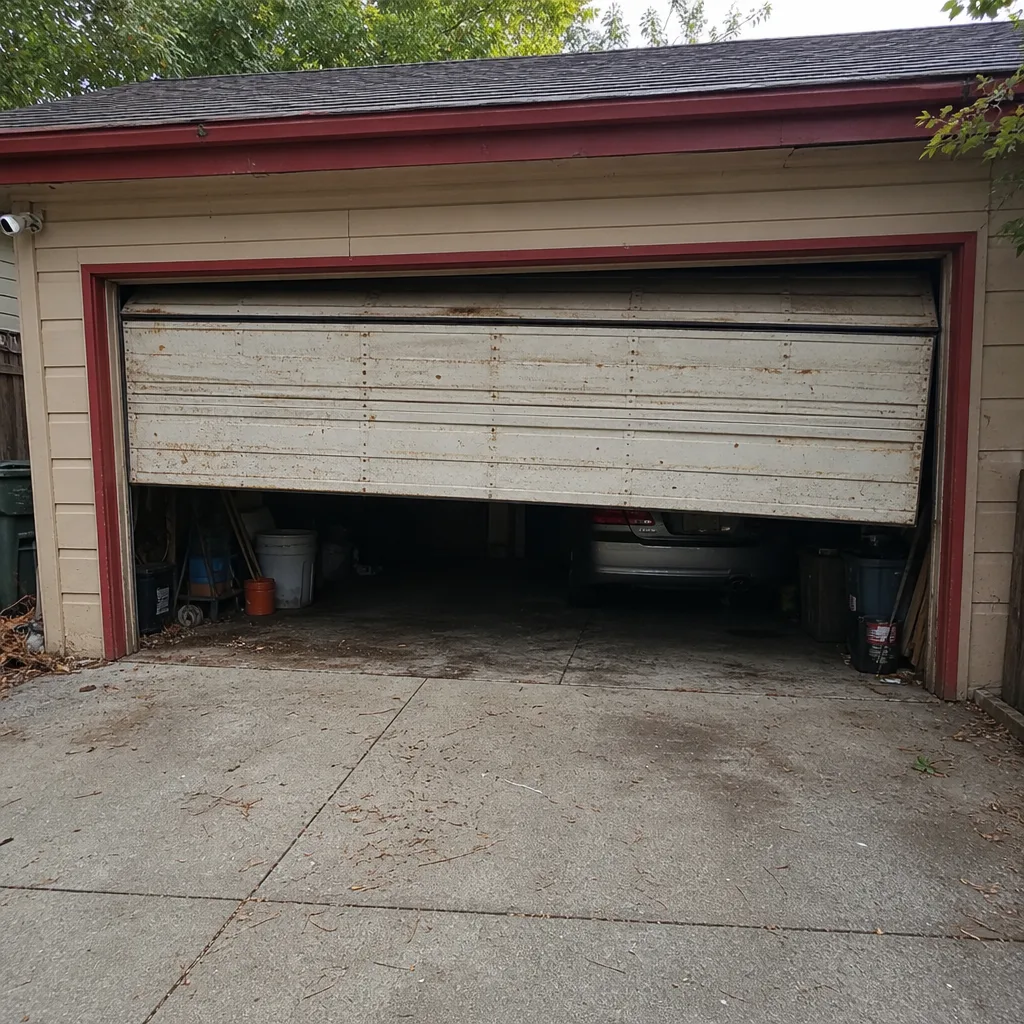 Before
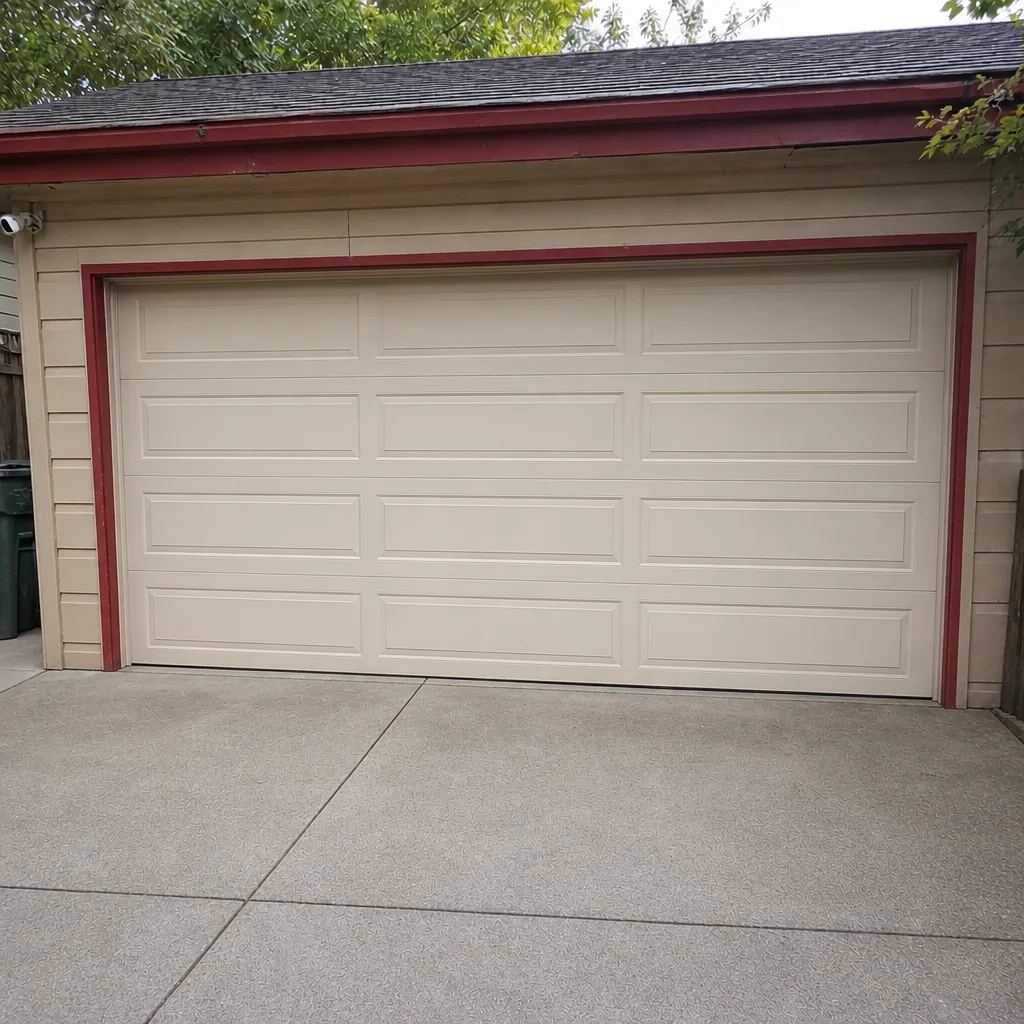 After
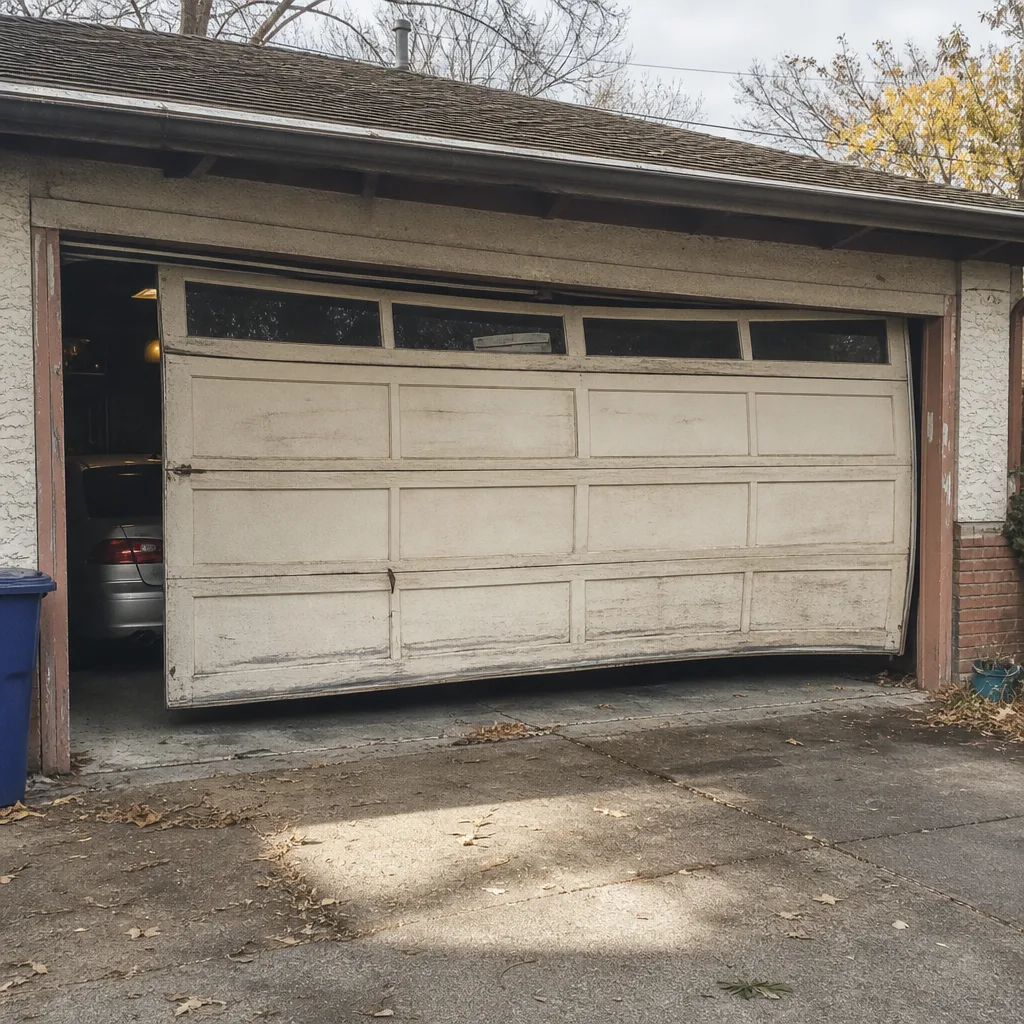 Before
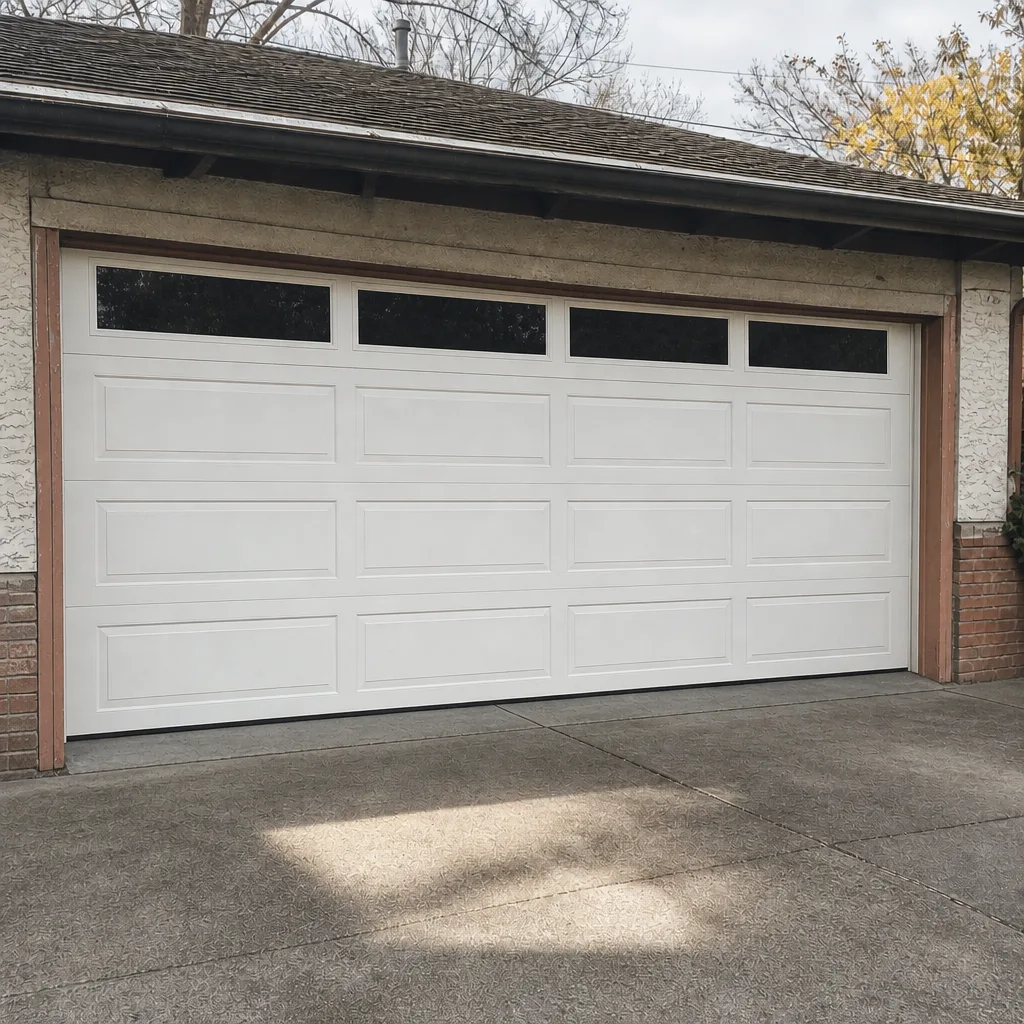 After
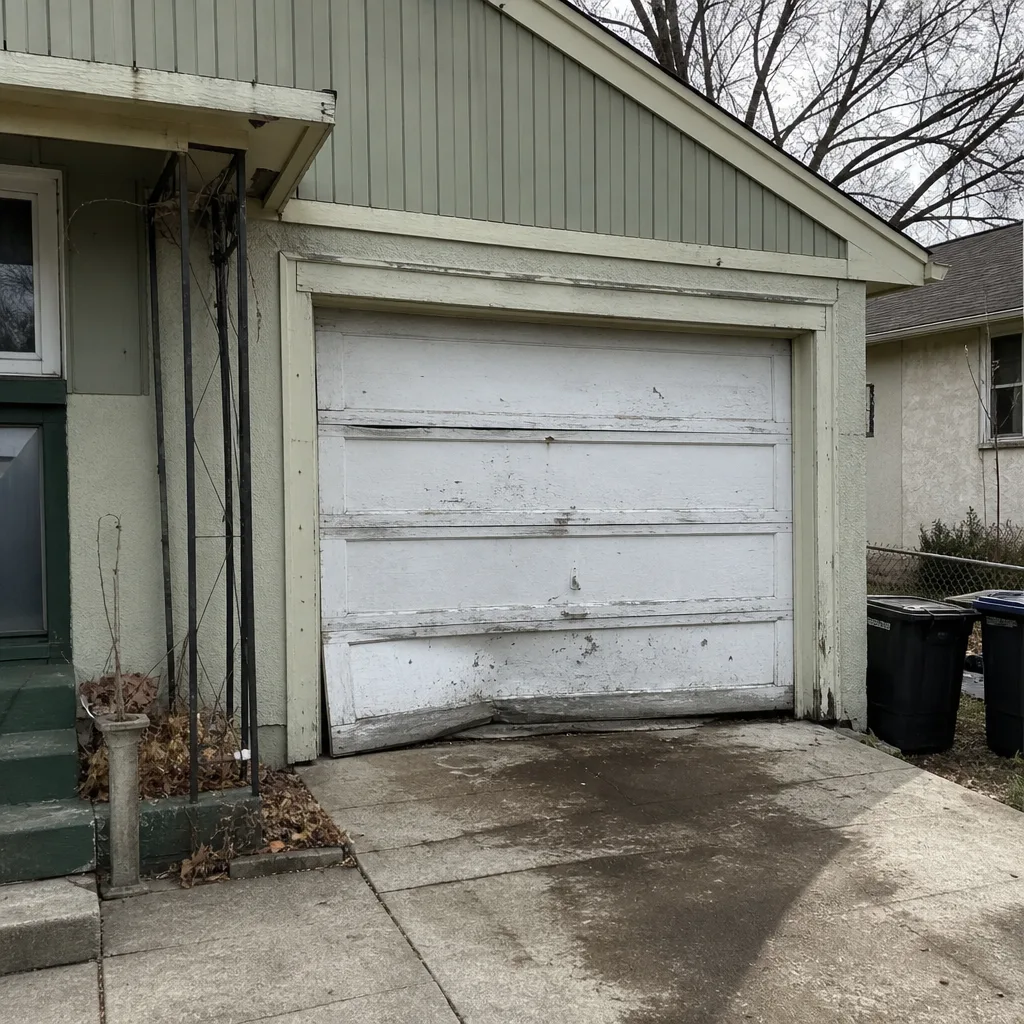 Before
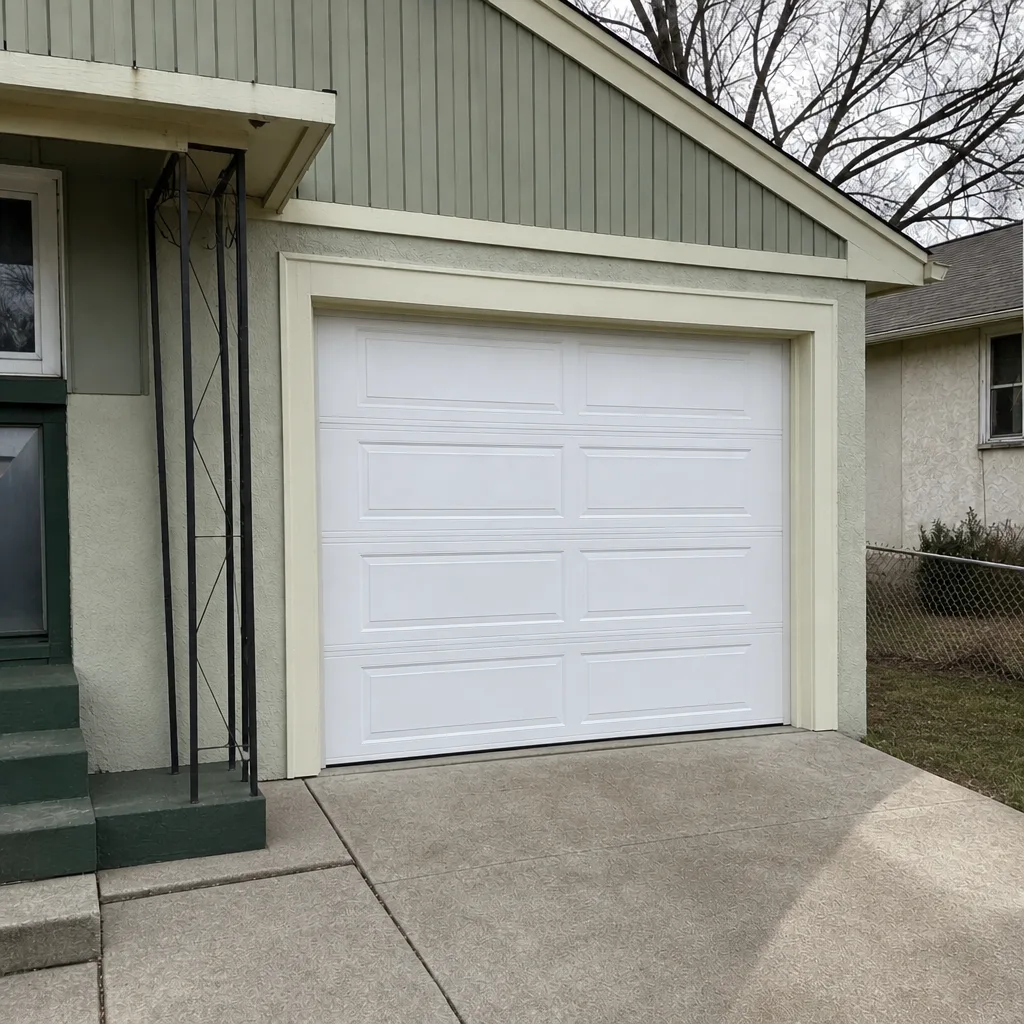 After
What Causes a Garage Door to Reverse for No Reason?
A door that reverses on its own is almost always sensing resistance, not a sensor that’s gone bad. The safety reverse system checks the force needed to close, and when something makes the door meet more resistance than expected, it reverses. In colder weather, the culprit is often a hardened or compressed bottom seal.
Start by inspecting the bottom seal and the sensors. If either shows wear, that’s your likely cause, and a service visit can set the door’s travel and force limits correctly. If they both look fine, the opener’s limits may have drifted, which is a common reason a door starts reversing after months of working normally.
Common Mistakes to Avoid
- Replacing the opener when the door is the problem. If the door is hard to lift by hand, the opener was never the real fault. Fix the mechanical side first.
- Forcing a crooked door up or down. A door sitting at an angle after a spring or cable failure can drop or leave its track if you operate it.
- Assuming every reversal is a sensor problem. Cold-compressed bottom seals mimic sensor trouble often enough in Minnesota that the seal should be checked too.
- Trying to re-tension a torsion spring yourself. The stored energy in a wound spring can hurt you badly if it slips. Leave spring and cable work to a technician.
- Ignoring a blink code. The opener is telling you the fault. Note the pattern before resetting, or the handiest clue is lost.
- Using the door after hearing a bang from the ceiling. If the door won’t lift after a bang, that’s a snapped spring. Stop using the opener until someone qualified looks at it.
When to Call a Professional
Wait for a technician on any of these: a door that won’t lift after a sharp bang, a visibly slack or broken cable, a bent track you can’t safely adjust, an opener that hums without moving the door, or any job that puts you near a spring or cable under tension. If you can’t isolate the problem in a few minutes of safe checks, that’s also the point to call rather than guess. In our experience, the cost of an unnecessary repair or a door that falls is always higher than the cost of a check.
Garage Door Repair Linden Hills offers free estimates in Linden Hills; call (855) 710-3186 and we’ll help you sort out what the door is telling you.
Frequently Asked Questions
Garage door repair in Linden Hills typically costs $150 to $450 for common jobs, and a single torsion spring replacement usually runs $180 to $340, with a matched pair about double that. Your written estimate sets the final price before any work starts. Call (855) 710-3186 for a free estimate.
Likely yes. A door stuck open is an access and security problem, and emergency service is part of what we offer, with dispatch from 7am to 7pm. Call (855) 710-3186 early and we’ll give you a clear window.
No, not without your approval. We quote and agree the price before any work begins, so the number in the written estimate is the number you’ll see on the invoice. If the job turns out to involve something the estimate didn’t cover, we talk it through with you first. Call (855) 710-3186 to get started.
The local pro we connect you with is licensed and insured as their state requires. That’s one of the reasons we only work with specialists in this trade rather than generalists. Call (855) 710-3186 with any questions about credibility or coverage.
We don’t recommend it. Torsion springs store enough force to cause serious injury, and winding them needs specific tools and training. Our spring repair is a dedicated service because the stakes are high, so leave this one to a technician.
Cold weather hardens the rubber bottom seal, and the freeze-thaw cycle shifts the concrete floor, which makes the seal compressed and uneven. The safety reverse system reads that resistance as an obstruction and reverses the door. A sensor check and a seal replacement usually fix it.
The Bottom Line
Troubleshooting a garage door comes down to isolating which system is failing before you spend money fixing the wrong one. The manual release and lift test separates opener trouble from mechanical trouble. Spring and cable work is a technician job, but sensor alignment, seal inspection, and remotes are safe to check yourself. In Linden Hills, the freeze-thaw cycle means a cold-weather reversal is often a compressed bottom seal, not a sensor failure. Whether you drive a Craftsman, Raynor, or Chamberlain system, one call covers the door and the opener. When in doubt, we’d rather you call than guess.
If your door has you stuck, call (855) 710-3186 for a free estimate. Garage Door Repair Linden Hills handles repair, opener service, spring repair, and installation for the whole door system, all under one call.
Written by the team at Garage Door Repair Linden Hills.