Last updated November 21, 2026
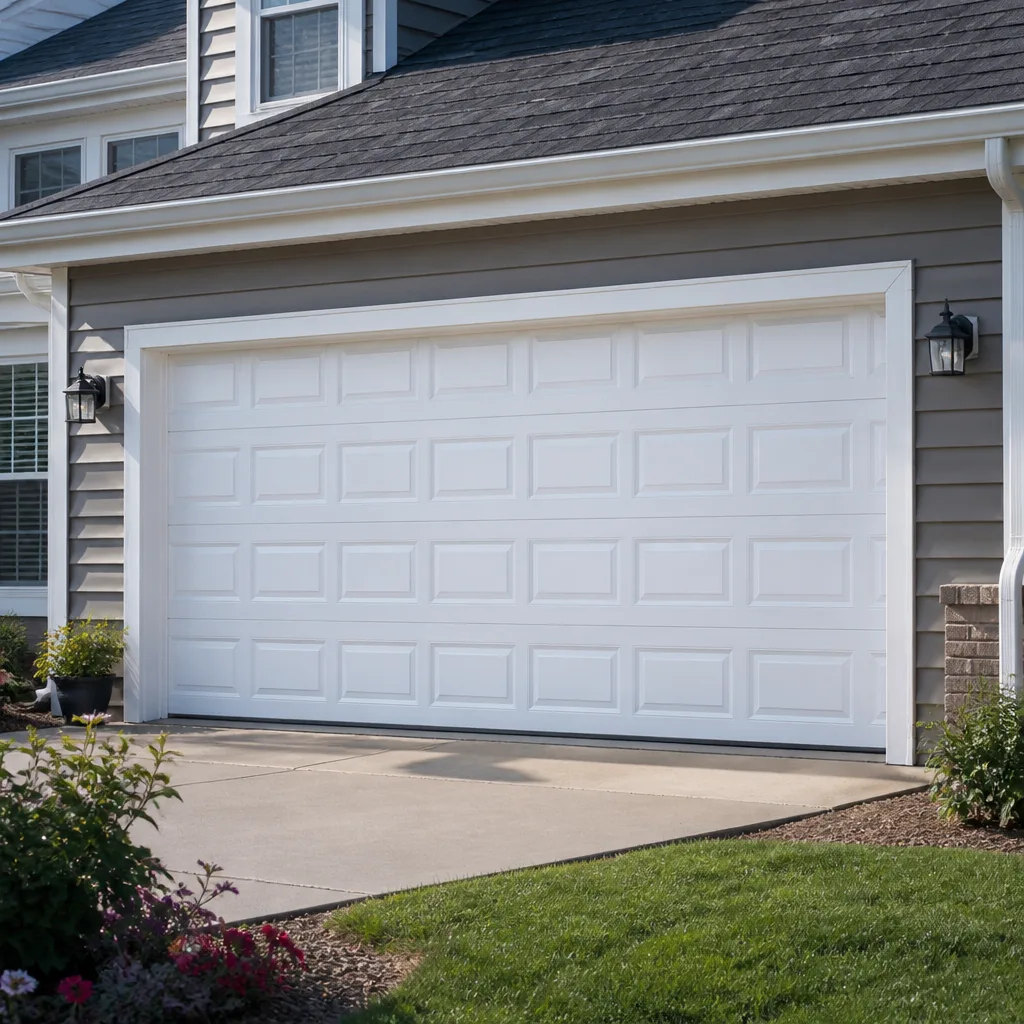 Raised-panel steel
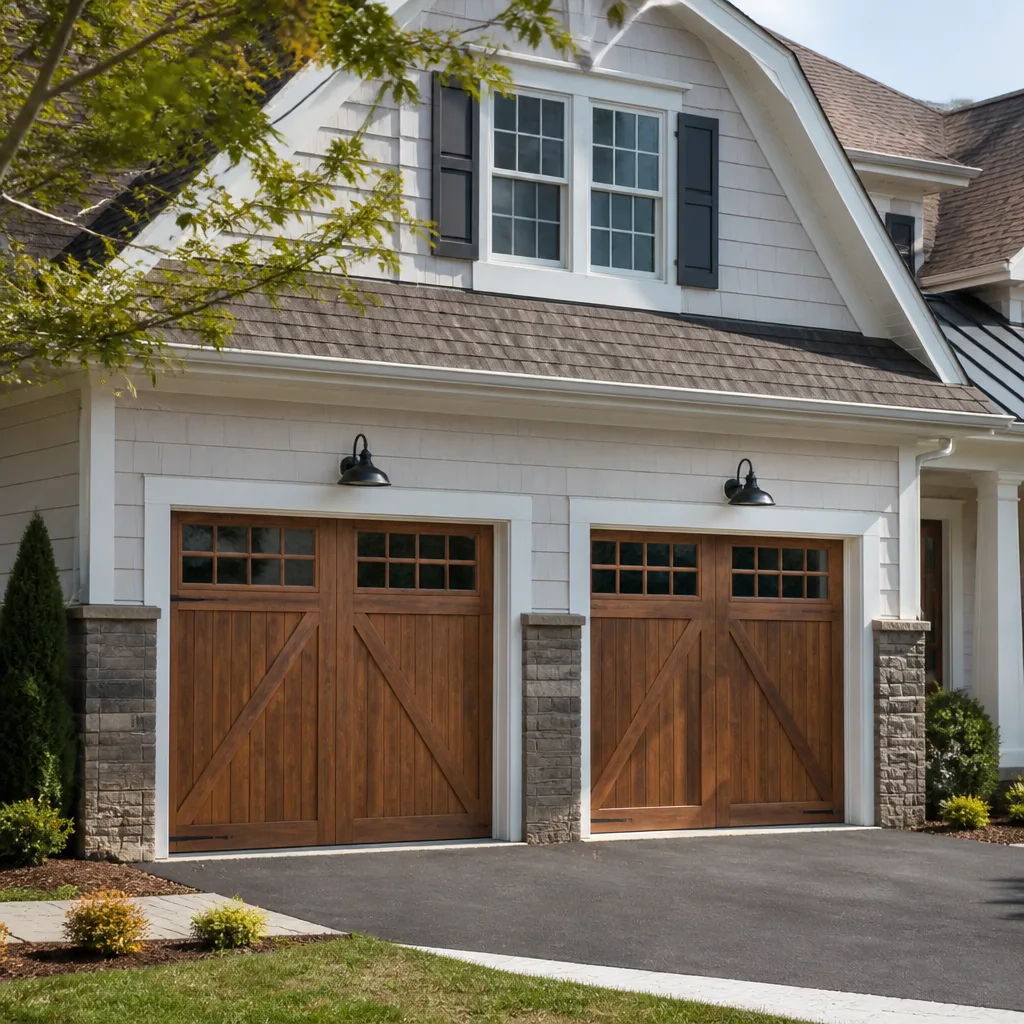 Carriage house
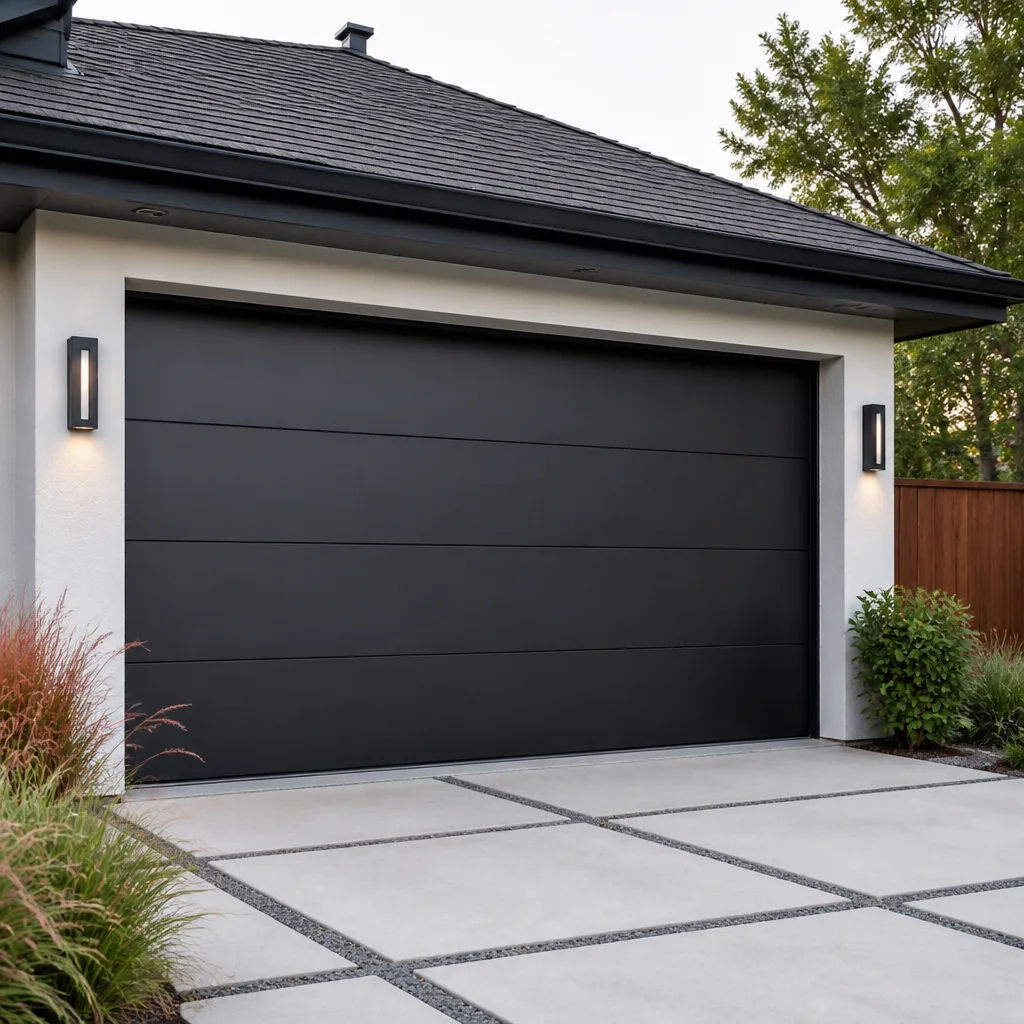 Modern flush
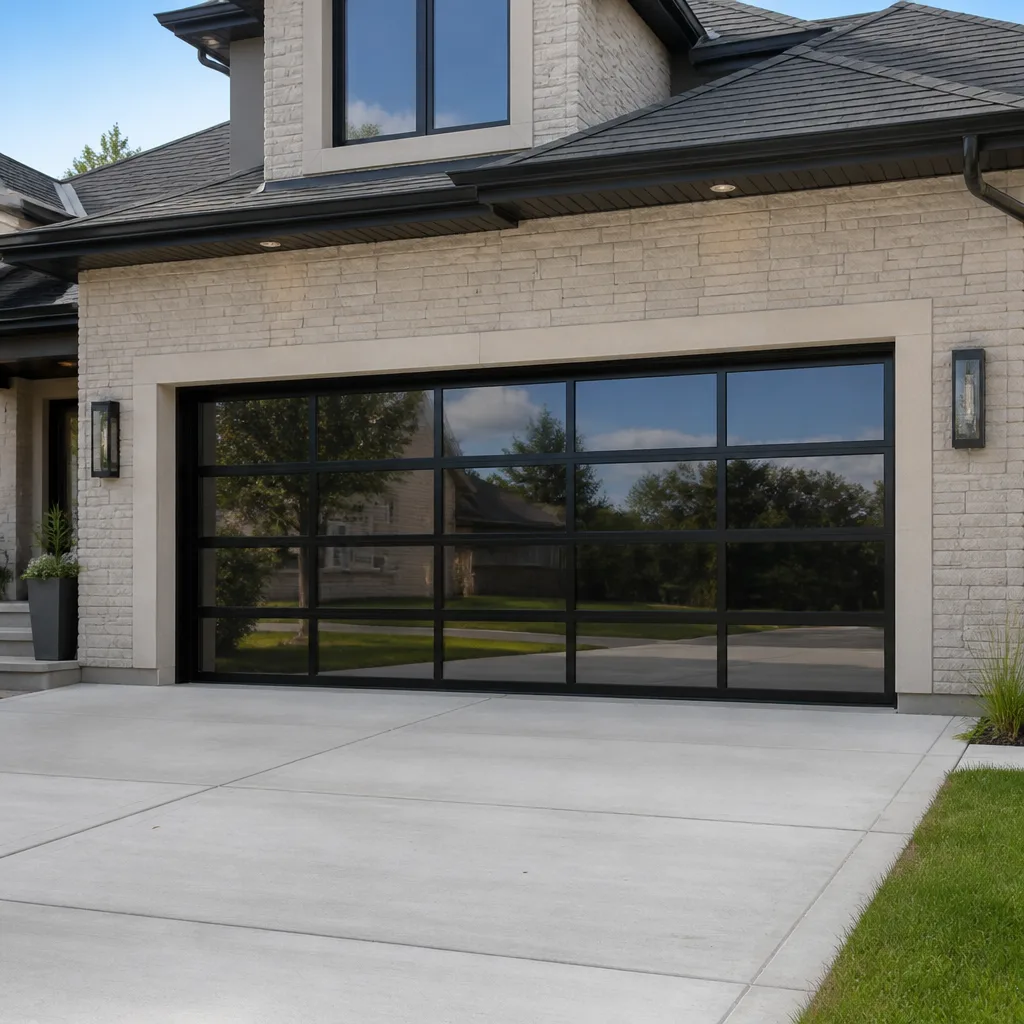 Full-view glass
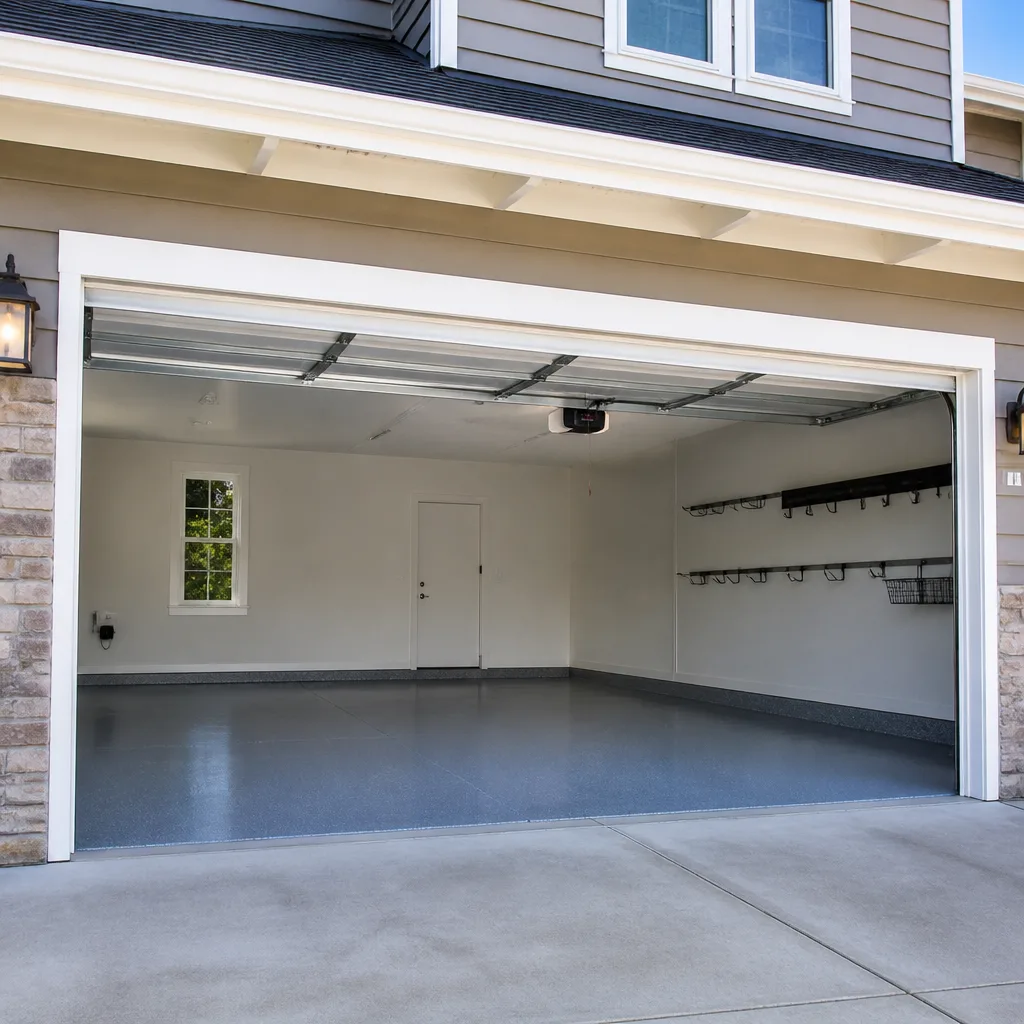 LiftMaster openers
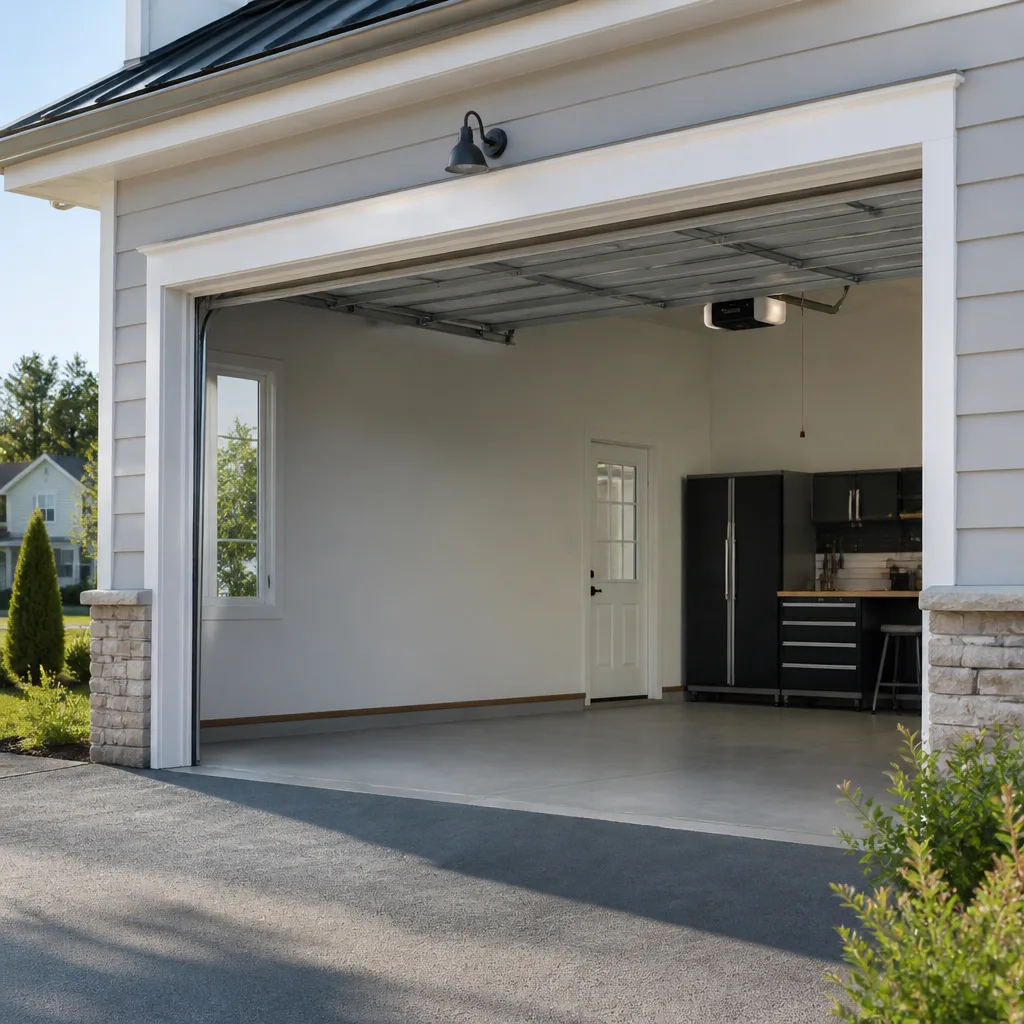 Chamberlain openers
Full 25-point door and opener safety check with every visit - springs, cables, rollers, tracks, and your LiftMaster or Chamberlain opener included
You get a price before we start. It does not change when the pro arrives.
Get your free estimateThe Complete Guide to Garage Doors in Linden Hills
Most garage door advice treats the door as one big object: it goes up, it goes down, and when it stops you call someone. That framing skips the part that actually matters. A residential door is a system of interdependent components – springs that counterbalance the weight, cables that carry the load, tracks that guide travel, panels that shed water and hold shape, and an opener that supplies only a fraction of the lifting force. Change one and you change the load on the rest. In Linden Hills, that system gets tested hard by freeze-thaw cycles, older Craftsman and Tudor framing, and the tight aesthetic expectations of the neighborhood’s housing stock. This guide breaks the door down component by component and explains how the specific conditions in Linden Hills shape every decision, from steel gauge to motor sizing.
Quick Answer
A garage door in Linden Hills works as a counterbalance system: torsion or extension springs offset most of the door’s weight, cables transfer that load, tracks keep travel straight, and the opener lifts only what’s left. When one component wears out, the others take the strain. The right fix depends on the door’s material, your home’s header clearance, and how Minnesota’s freeze-thaw cycles have treated the assembly. Matching a door to Linden Hills’ older Craftsman and Tudor homes usually means a custom or semi-custom fit, while newer builds accept standard sizing without framing changes.
Styles & brands we work with
- Raised-panel steel
- Carriage house
- Modern flush
- Full-view glass
- LiftMaster openers
- Chamberlain openers
Table of Contents
- How a Garage Door Actually Works as a System
- How Linden Hills Housing Stock Shapes a Door Decision
- Which Door Materials Hold Up in Minnesota Freeze-Thaw
- HOA and Neighborhood Aesthetics in Linden Hills
- Sizing the Opener to the Door, Not the Other Way Around
- When a Repair Is a Band-Aid and When the System Is Done
- Repair vs. Replacement: An Honest Decision Framework
- What Routine Care Actually Prevents
How a Garage Door Actually Works as a System
A sectional garage door is balanced, not lifted. That’s the single most useful thing to understand. Springs are wound to store enough energy to hold the door near neutral weight, so the opener only has to overcome friction and inertia. When a spring weakens or snaps, the opener suddenly pulls full door weight, and it isn’t built for that. This is why a broken spring so often precedes an opener failure – one component fails and the next in line absorbs the damage.
Here’s the load path, roughly in order:
- Springs – torsion (a shaft above the door) or extension (alongside the tracks). They carry the counterbalance load and are the most safety-critical part of the assembly.
- Cables – drum-wound or looped, they transfer spring force to the bottom corners of the door. A cable under tension can fail violently; we don’t recommend handling one.
- Tracks – the vertical and horizontal guides. Slight misalignment creates drag the opener has to fight, and drag is what kills openers early.
- Hinges and rollers – the articulation points. They wear quietly and are the cheapest thing to replace before they cost you a panel.
- Panels – the visible face and the weather seal. They determine thermal performance, wind load, and how the door ages cosmetically.
- Opener and drive – belt, chain, or screw. The motor is sized to the balanced load, not to a dead spring.
We work on your brand – Chamberlain, Genie, Clopay, Amarr and other major systems – so the whole assembly gets evaluated together. A technician who only looks at the opener misses why the opener failed. When the door itself is the problem, garage door repair covers the mechanical and structural side under one point of accountability.
How Linden Hills Housing Stock Shapes a Door Decision
Garage door installation in a Linden Hills home is rarely a stock order. Many homes here are older Craftsman bungalows and Tudor-style builds where the garage was added later, tucked into a slope, or framed under a low header. That changes everything about what fits. A standard 7-foot door assumes a clean rough opening and level headroom; older Minneapolis-area framing frequently gives you neither.
The specific constraints we run into most:
- Header clearance. Torsion springs and their shaft need headroom above the door. Older garages built for extension springs may not have it, which means the spring type has to match the structure rather than the guess.
- Low garage ceilings. Bungalow-era garages often sit under a shallow roofline; low-clearance hardware lets a door work in a space that won’t take a standard setup.
- Out-of-square openings. Settlement and decades of seasonal movement leave openings that need a measured fit, not a catalog size. That’s why we start with a free measure and a written price instead of a same-day promise on new doors.
- Attached vs. detached garages. Detached garages here often share no sealed envelope with the house, so the thermal decision (insulated vs. non-insulated) is different from an attached build.
- Side-load and carriage-house styles. Tudor-influenced homes often suit a carriage-style panel, and side-load configurations need a door that coordinates with the framing.
The lesson for Linden Hills homeowners: measure the opening and the headroom before you fall in love with a panel style. We’d rather tell you honestly what fits than force a door the framing wasn’t built for.
Which Door Materials Hold Up in Minnesota Freeze-Thaw
Freeze-thaw is the quiet enemy of a garage door in this climate. Water gets into a seam or a bottom seal, freezes, expands, and pushes the joint apart a little more each cycle. Over years, that shows up as rust at the bottom panel, a seal that won’t lie flat, and paint that fails at the edges. Material choice is really a question of how well a door resists that cycle – and where the trade-offs fall.
- Steel (the common choice). On a steel door the specification that matters is the gauge of the panel and the quality of the galvanizing and paint bond. Thicker-gauge steel resists denting better, and a well-coated bottom panel is what survives the road salt and meltwater that pool at the threshold in winter.
- Wood composite / faux-wood. These give you the warmth a Tudor or Craftsman facade wants, and modern composite skins hold color better than real wood. They need attention to the bottom edge and seal, where moisture settles, but they don’t rot the way unprotected wood can.
- Aluminum. Light and corrosion-resistant, which helps in a wet winter, but more prone to denting. A good fit for lighter, full-view or modern designs, less so for a door that takes impacts.
- Insulated vs. non-insulated. Insulation matters most for an attached garage where the door sits on the thermal boundary of the house. For a detached garage here, the payoff is smaller.
For Linden Hills homes, we usually frame the choice as: which material’s weak point lines up least with your exposure? A north-facing door that collects snow at the base wants a strong bottom seal and a coating that resists standing moisture. A door on a sun-facing side deals more with UV and heat cycling.
HOA and Neighborhood Aesthetics in Linden Hills
Linden Hills has a strong visual identity, and many properties sit within associations or design-review expectations that care about how the street reads. That shapes door decisions as much as climate does. A steel door that wins on durability can still fail an aesthetic review if its color or panel profile clashes with the surrounding architecture.
What tends to come up in an HOA or design-review conversation:
- Color. A muted palette that complements the home’s masonry and trim is safer than a high-contrast choice. Matching the trim or the front-door tone is a common approach that keeps the door from reading as an add-on.
- Panel profile. Carriage-house and raised-panel styles fit the Craftsman and Tudor character; flat modern panels can look out of place on an older facade.
- Window inserts. Whether a door reads too busy depends on the home’s window pattern – repetition across the street matters.
- Finish. A factory finish that matches the door’s exposure is easier to maintain than a custom paint job that has to be redone as it ages.
Before you commit to a style, check with your association’s design-review process and get any approval in writing. We can talk through which Clopay or Amarr profiles and colors tend to fit the neighborhood’s character, but the association’s guidance is what settles it. Getting the aesthetic sign-off first avoids ordering a door you can’t install.
Sizing the Opener to the Door, Not the Other Way Around
An opener is a helper, not a lifter. It’s sized to move a balanced door, and it’s the component most often misunderstood. People upgrade the motor to fix a door that feels heavy, when the actual problem is a weakening spring or a dragging track. A bigger motor over a dead counterbalance shortens the motor’s life and leaves the door dangerous.
When the opener itself is the issue, the drive type matters more than horsepower:
- Belt drive. Quietest option, and the usual pick for an attached garage where the door shares a wall with living space – a real consideration in denser Linden Hills lots.
- Chain drive. More durable-feeling and typically louder; fine for a detached garage where noise isn’t an issue.
- Screw drive. Fewer moving parts and steady, with moderate noise; a reasonable middle ground.
- Smart / connected. Wi-Fi openers on the Genie and Chamberlain side add app monitoring and alerts, which is useful when the garage isn’t visible from inside the house.
Two things decide the right opener more than the spec sheet: how much noise reaches the house, and whether the door is balanced. We match the drive to both. If your opener is grinding, reversing, or ignoring the remote, garage door opener repair starts with the door and the counterbalance, not the box on the ceiling.
When a Repair Is a Band-Aid and When the System Is Done
The honest question isn’t “what broke?” but “how far through its life is the whole assembly?” Components wear at different rates, and a door can be one replacement away from stable or one replacement away from a cascade of failures. Here’s how we think about lifecycle, component by component:
- Springs: the shortest-life wear part and the highest-stakes. They’re a consumable, and a single spring breaking on a paired system means the partner spring is close behind – a matched pair is usually replaced together. This is specialist work; a spring under tension should only be handled by a trained technician.
- Cables: they age with the springs and should be inspected whenever a spring is replaced. A frayed cable is a failure waiting to happen.
- Tracks and rollers: rollers are cheap and worth replacing before they damage the panels they ride in. Bent tracks are a sign the door has taken a hit or drifted out of balance.
- Panels: rust at the bottom, delamination, or structural dents are the usual end signals. Cosmetic wear alone rarely justifies a full door.
- Opener: modern openers have a serviceable life, and one that’s reversing for no reason, or that can’t hold a setting, is telling you something.
The Band-Aid-versus-system call usually comes down to how many of these line up at once. One worn part: repair it. Springs, cables, and a dragging track all failing together on a door into its later years: a full replacement is often the better spend. When the assembly has reached that point, garage door installation is the path, and it starts with a measure and a written price.
Repair vs. Replacement: An Honest Decision Framework
We’d rather you spend on a repair that lasts than on a door you didn’t need. But there is a point where repairs start stacking up and the math flips. Run through this in order:
- Is the door balanced and safe? If a spring is broken or a cable is frayed, that’s a safety repair regardless of anything else. Fix it first – the local pro is trained for it and it’s not a do-it-yourself task.
- Is the structure sound? Cracked panels, a bent track, or a rotting bottom section that the hardware can’t secure point toward replacement.
- Is the cost of repair approaching replacement? If several major components need work at once, price the replacement before you commit to the repair.
- Does the door still suit the house? A door that’s failed a design review, or clashes after a remodel, may be worth changing even if it’s functional.
- Is the opener asking to be replaced? A balanced door with a failing motor is sometimes a component swap rather than a full system.
Replacement here is scheduled work: measure, order, install. It is not the kind of job we’d promise same-day, and we’d be suspicious of anyone who does. A free measure and a written price are how it should start in Linden Hills, where custom sizing is the norm. For an urgent, door-won’t-close situation, schedule today via Garage Door Repair Linden Hills and we’ll get someone out as quickly as the day allows.
What Routine Care Actually Prevents
Routine care won’t stop a spring from eventually breaking – that’s a wear part. What it does is catch the cheap failures before they become expensive ones. Most of the truly costly repairs we see start as a small, ignored problem: a dragging track, dry hinges, a bottom seal that’s stopped sealing. In a freeze-thaw climate, that seal matters more than people think, because water at the threshold is what starts the rust that ends a bottom panel.
What’s worth doing, and what to leave alone:
- Safe to check yourself: listen for grinding or popping, watch for a door that hesitates or reverses, and look at the bottom seal for cracks or a gap. Wipe the tracks clean of grit and debris.
- Leave to a technician: spring adjustment, cable work, and any correction of the counterbalance. These involve stored energy and should not be handled without the right training and tools.
- Watch the season change: that’s when alignment drift and seal gaps show up first.
If a door is doing something it didn’t do last season, that’s the moment to have it looked at. Early diagnosis is cheaper than late repair, and it’s the difference between a component swap and a cascade.
Common Mistakes to Avoid
- Replacing the opener to fix a heavy door. If the door is hard to lift by hand, the springs or cables are the problem. A stronger motor masks it and wears out faster.
- Replacing one spring on a matched pair. Paired springs share the work and wear together; the second one is usually close behind. Replace them as a set rather than paying twice.
- Choosing a door before measuring the opening. In older Linden Hills garages, header clearance and out-of-square openings decide what fits. Measure first, style second.
- Ordering a color or panel before HOA review. Committing to a style that then fails design review is a costly do-over. Get approval in writing before the order.
- Ignoring the bottom seal through winter. A failed seal lets meltwater pool at the threshold, and that’s where rust starts. It’s a cheap part that protects an expensive one.
- Treating the door and opener as two separate jobs. The system fails together. Having one accountability for the door and the drive saves coordination and missed problems.
- Tackling a spring or cable yourself. Stored spring energy is genuinely dangerous. That repair belongs to a trained technician, not a weekend project.
See the difference
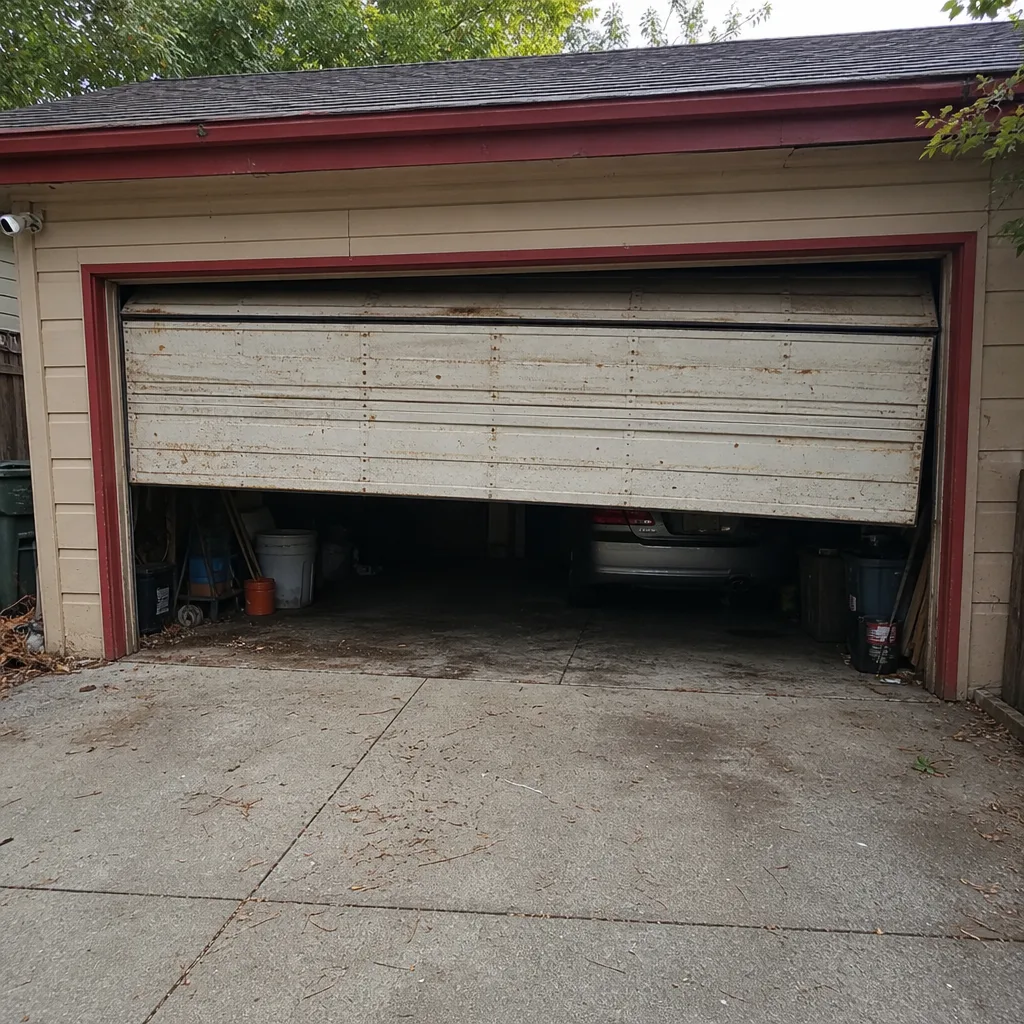 Before
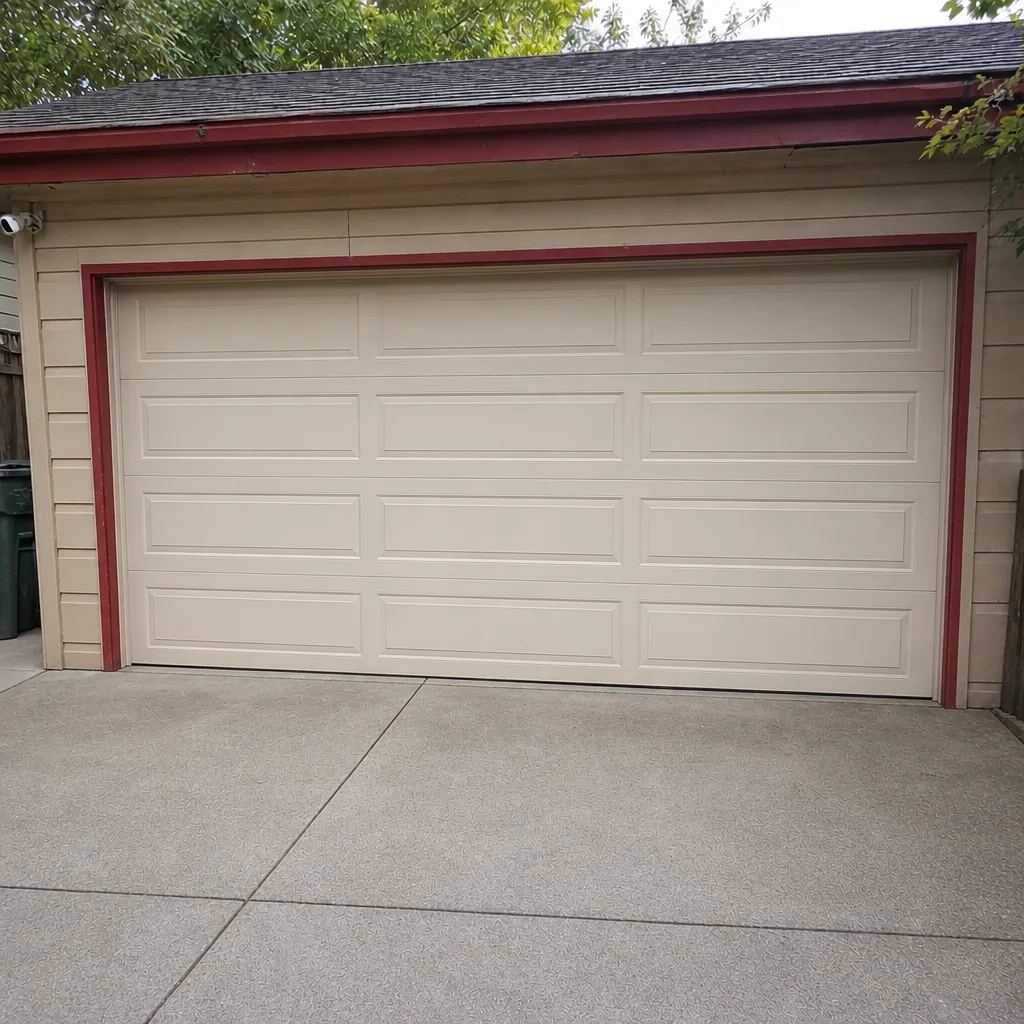 After
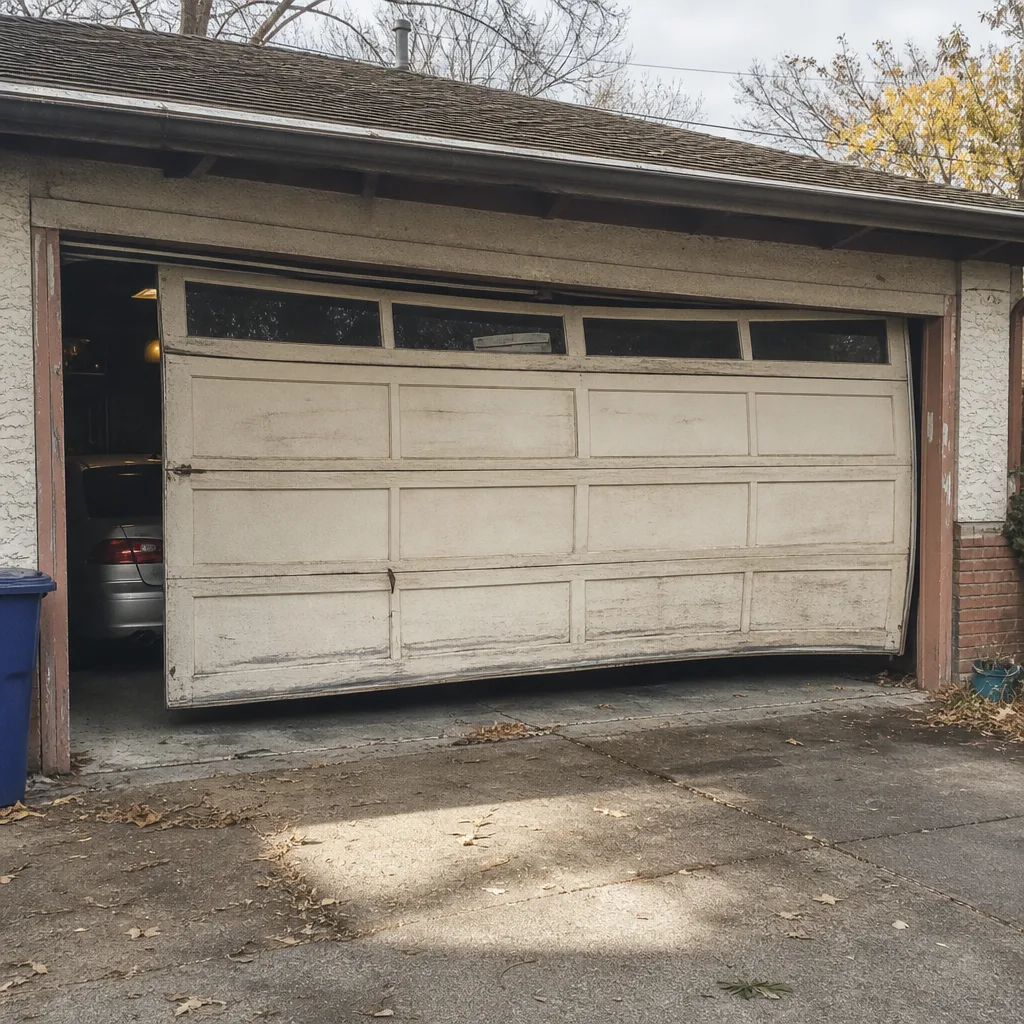 Before
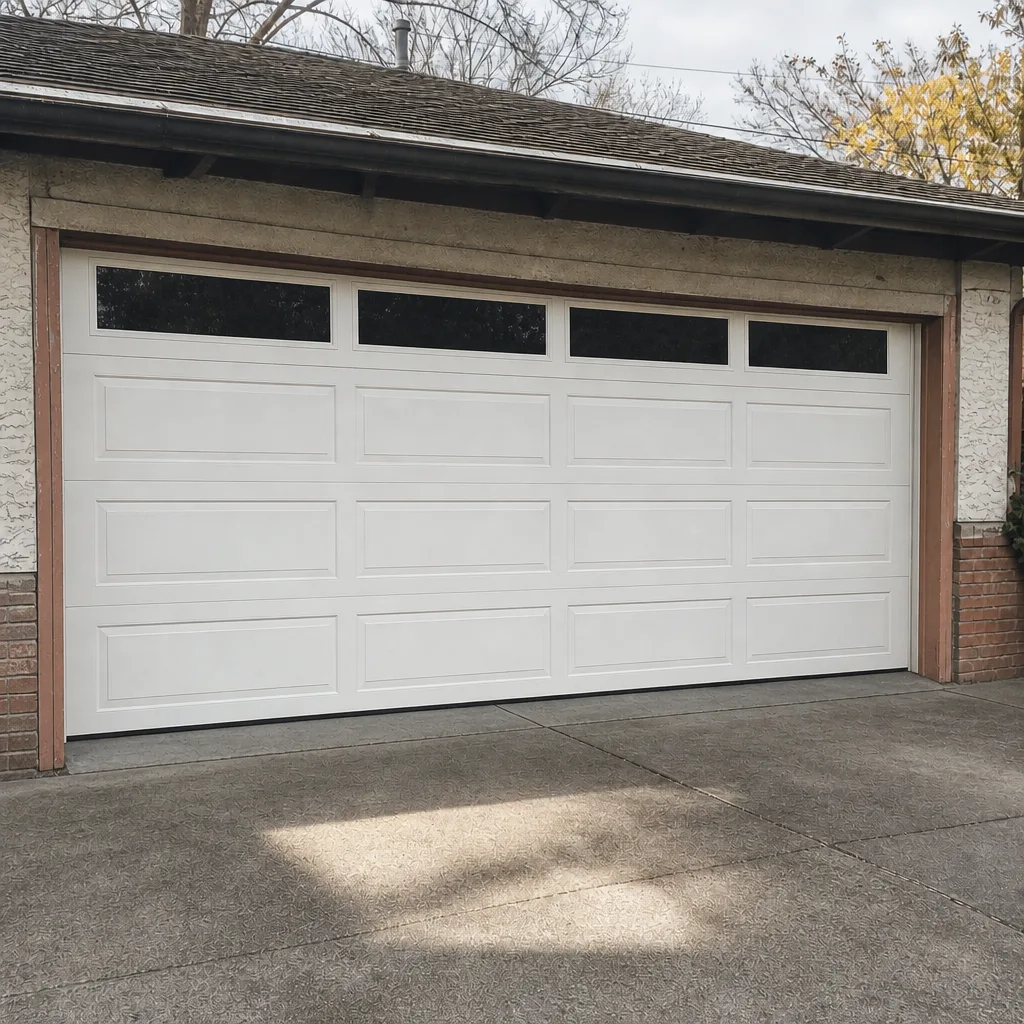 After
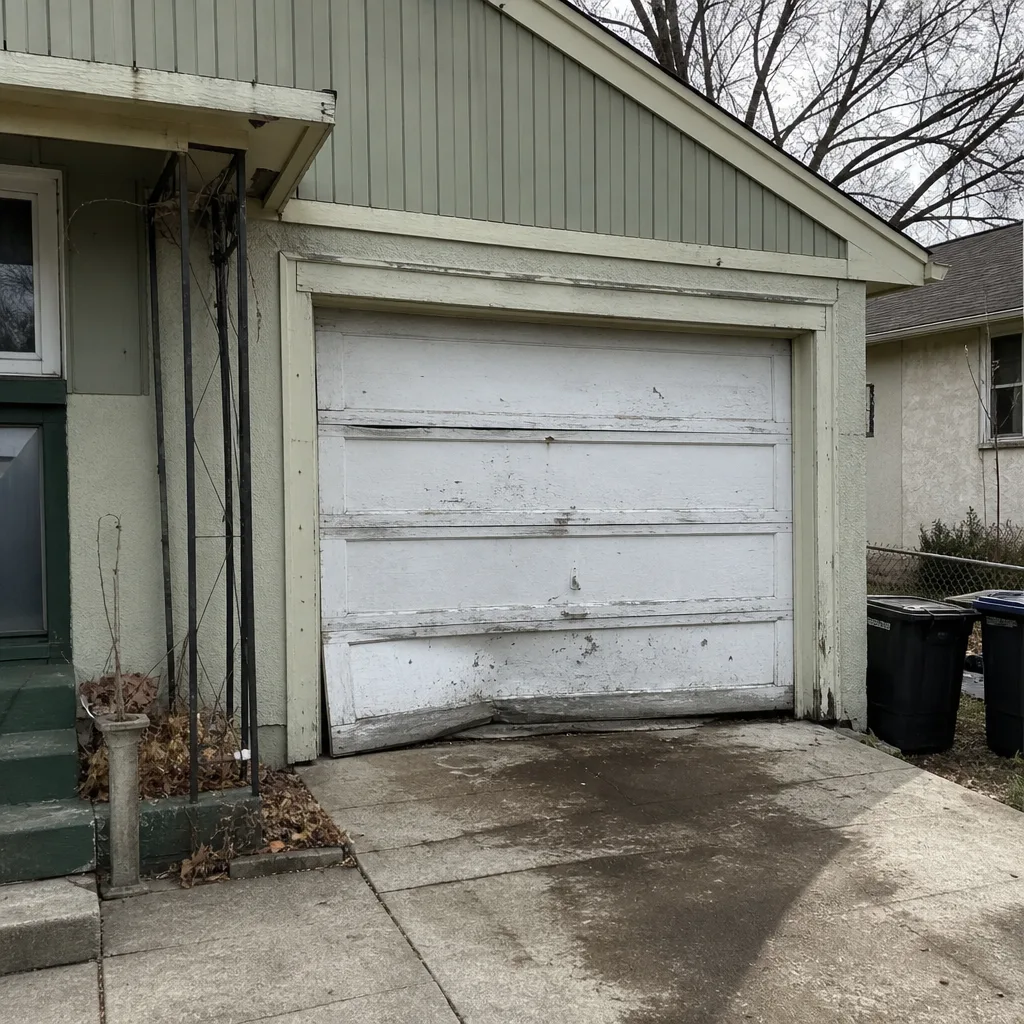 Before
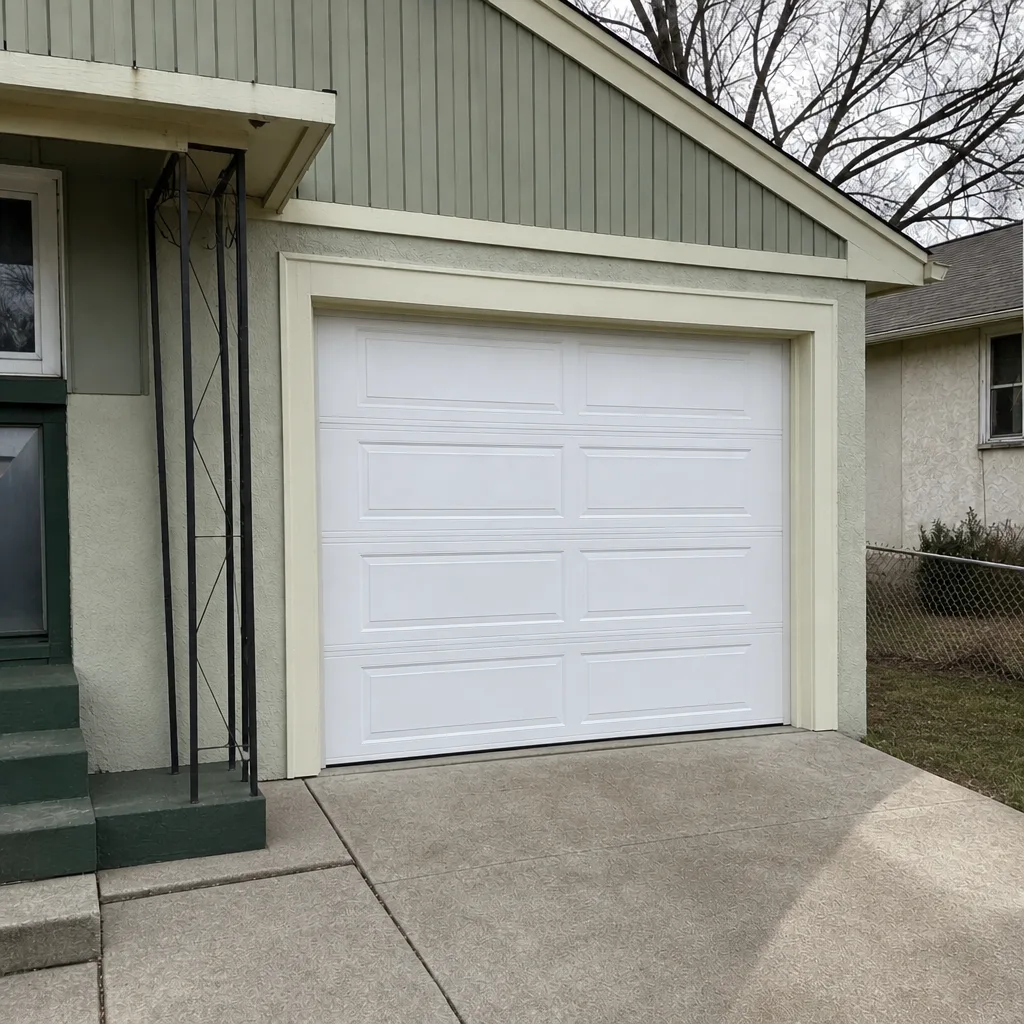 After
When to Call a Professional
Some things are safe to watch and some aren’t. Call us when a spring snaps or a cable frays – those carry stored energy and need a trained hand. Call when the door comes off its track, when it reverses or stops mid-travel, or when the opener behaves erratically, since the cause is usually upstream of the opener. Call when the door won’t close fully and your home or car is exposed, because that’s a security and access problem, not a wait-and-see. And call before you buy a new door, so the opening and headroom get measured first. Garage Door Repair Linden Hills offers free estimates in Linden Hills – call (855) 710-3186, and the price is quoted and agreed before any work starts.
Frequently Asked Questions
Check the opener’s power and the wall switch before anything else – a tripped breaker or a dead remote is the most common cause and costs nothing to rule out. If the door is hard to lift by hand with the opener disengaged, the springs or cables are the likely problem, and that’s a professional call. Call (855) 710-3186 for same-day and emergency service – estimates are free.
Yes – a spring under tension stores serious energy, and a failed one can snap or a cable can whip. This is the one part of the door you shouldn’t attempt yourself. Spring repair is a named service for us precisely because it’s safety-critical and needs the right tools. Call (855) 710-3186 and we’ll get a specialist out.
When several major components fail at once – springs and cables together, plus bent tracks or cracked panels – replacement usually costs less over time than repeated repairs. A single worn part is a repair. A door in its later years with multiple failures is a replacement. Call (855) 710-3186 for a free measure and a written price before you decide.
Older Craftsman and Tudor-style homes here often have low header clearance, out-of-square openings, or garages framed for extension springs. A stock door may not fit those openings without hardware or framing changes. That’s why we measure first and quote from the actual opening, not a catalog size. Call (855) 710-3186 to book a free measure.
Often, yes – many properties sit within associations or design-review expectations that care about color and panel profile. Check your association’s guidance and get approval in writing before ordering. We can talk through which Clopay or Amarr profiles fit the neighborhood’s character. Call (855) 710-3186 if you’d like to talk it through.
No – new-door work is measured, ordered, and scheduled, so same-day isn’t realistic for installation. What you get is a free measure and a written price up front. For a repair or an emergency, though, same-day service is often available. Call (855) 710-3186 and we’ll tell you what can happen today.
The Bottom Line
A garage door is a system, and the decisions that matter most in Linden Hills come from how its parts interact with the neighborhood’s housing stock, climate, and aesthetic norms. Match the material and the door to your opening’s real measurements before anything else. Let the spring and the counterbalance carry the weight, and size the opener to a balanced door, not a heavy one. Treat springs, cables, and tracks as wear parts and expect to replace them as a set. And when repairs start stacking up, price the replacement honestly. One call covers the door and the opener – our technicians have up to 12 years of experience, and we work on your brand.
Ready to get your door back to working order? Call (855) 710-3186 for a free estimate – the price is quoted and agreed before any work starts.
Written by the team at Garage Door Repair Linden Hills.