Last updated November 21, 2026
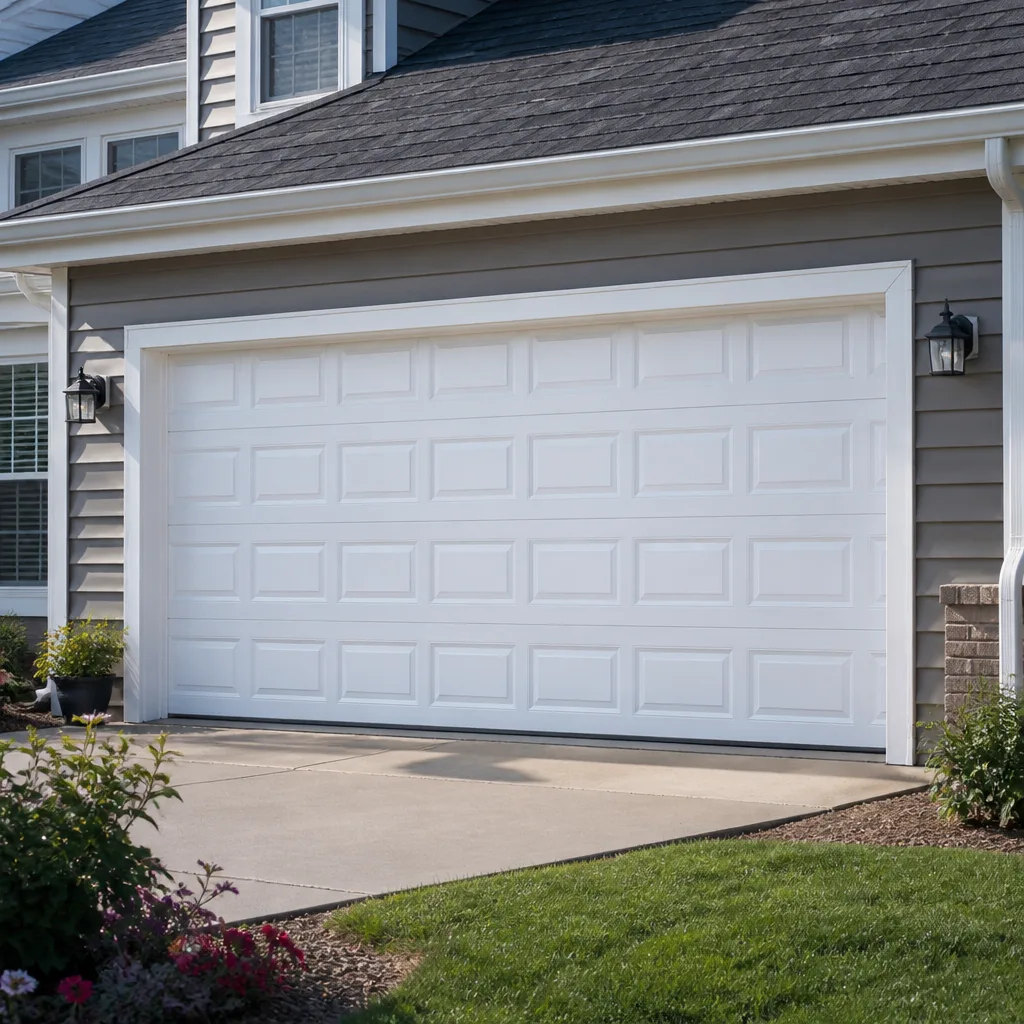 Raised-panel steel
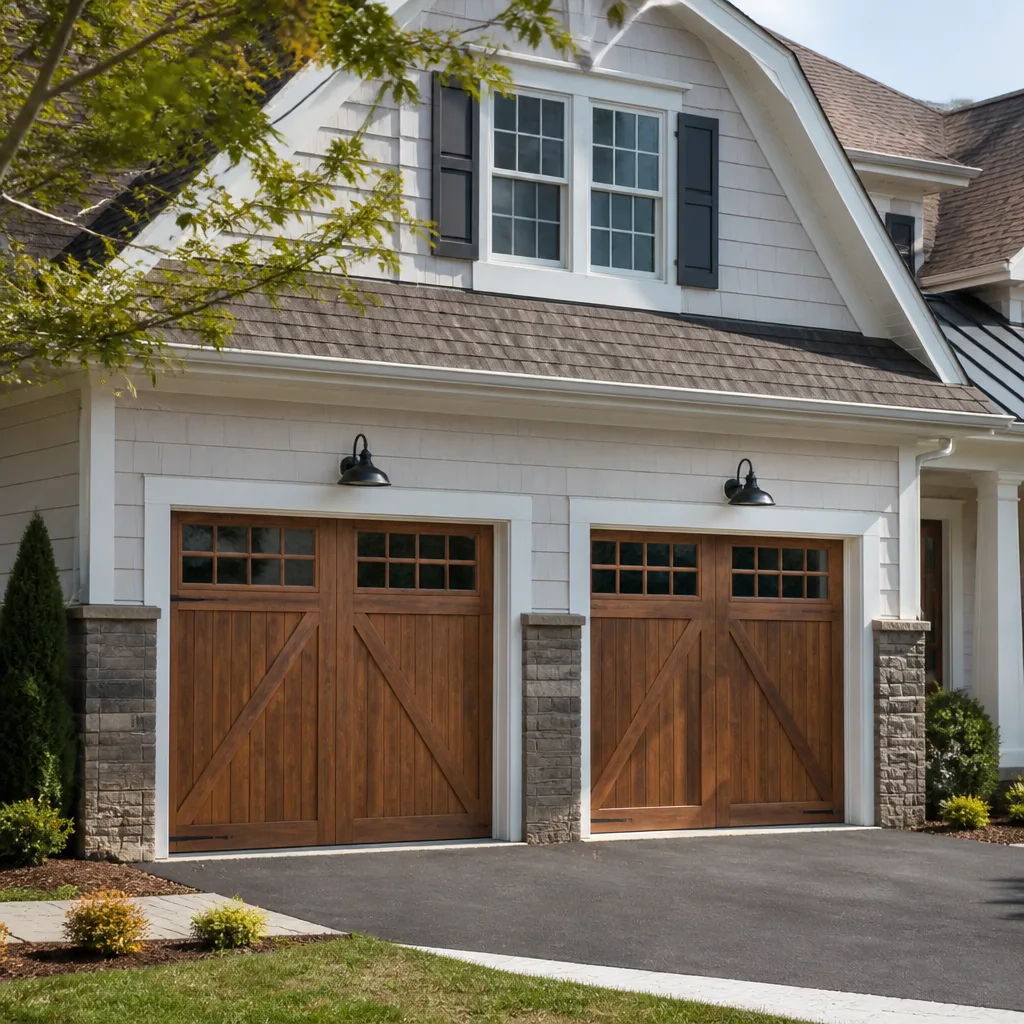 Carriage house
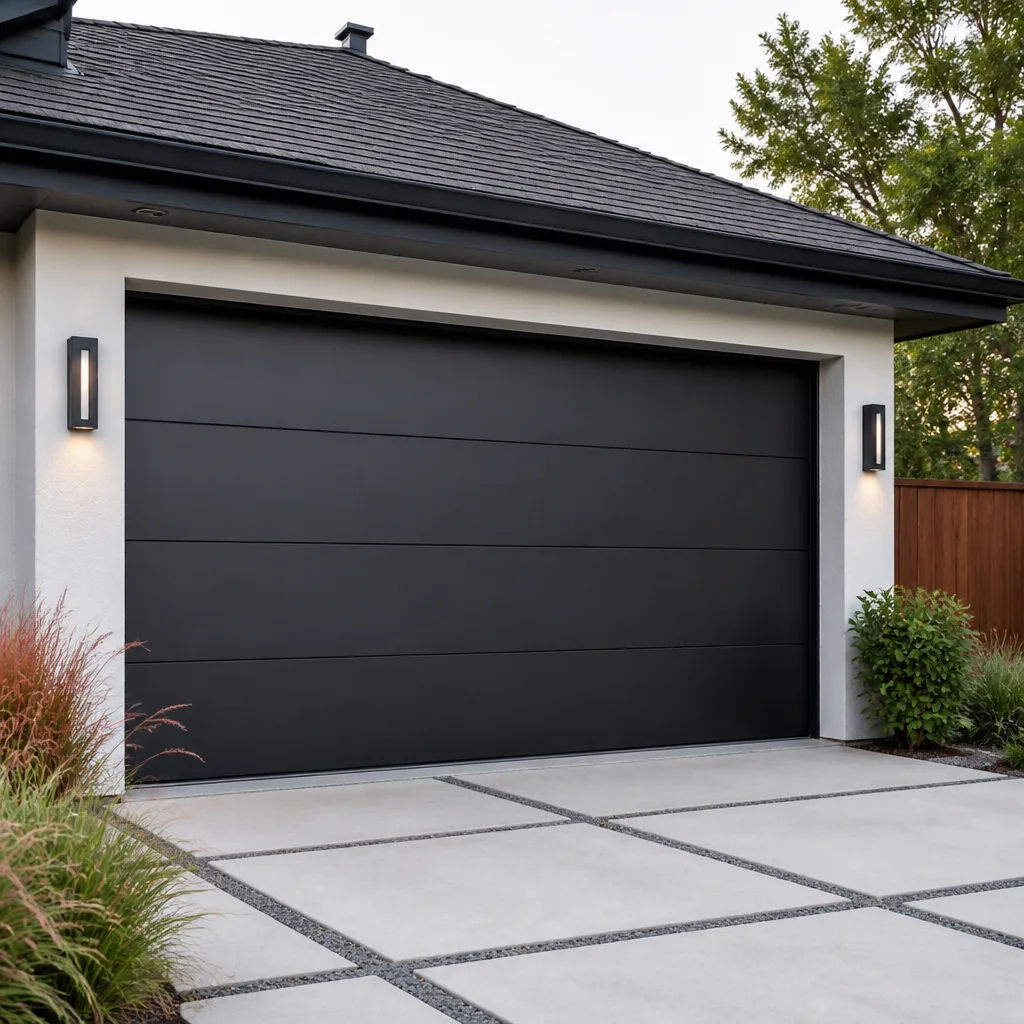 Modern flush
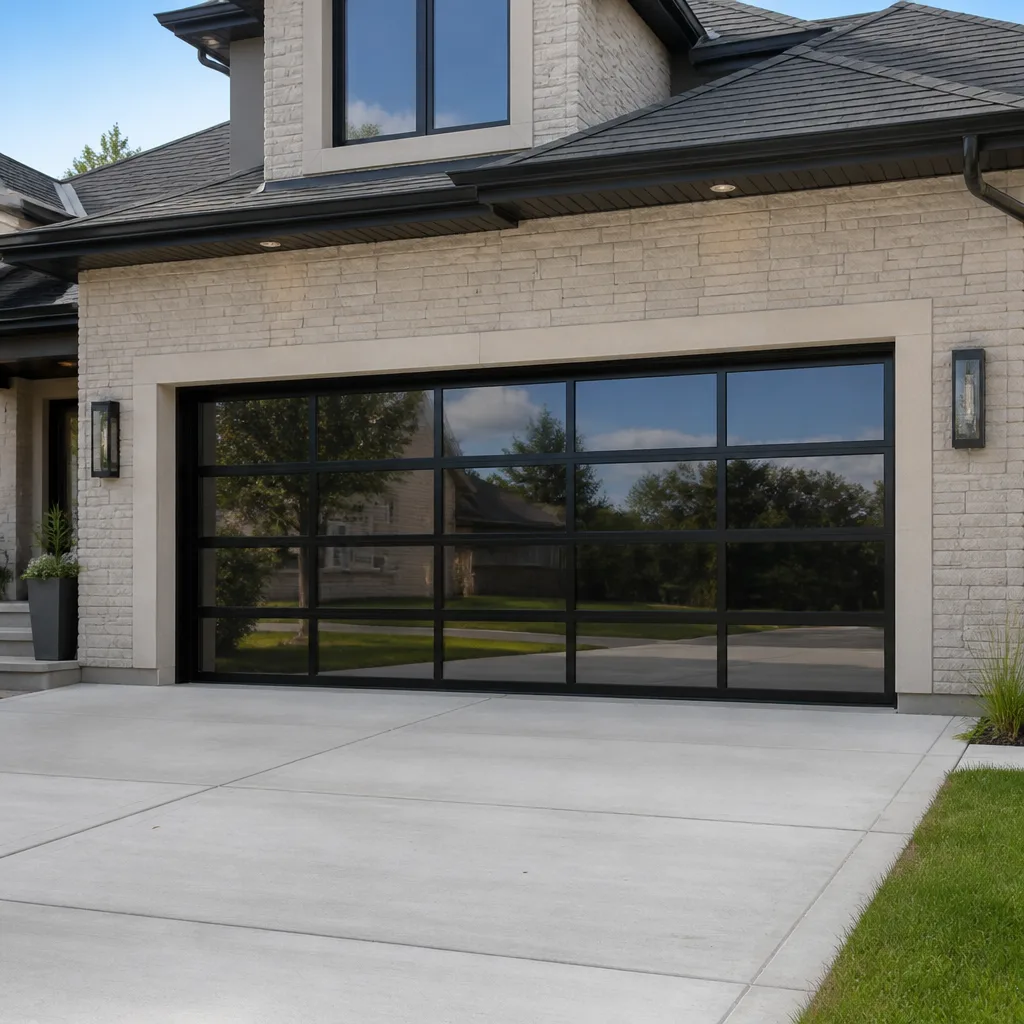 Full-view glass
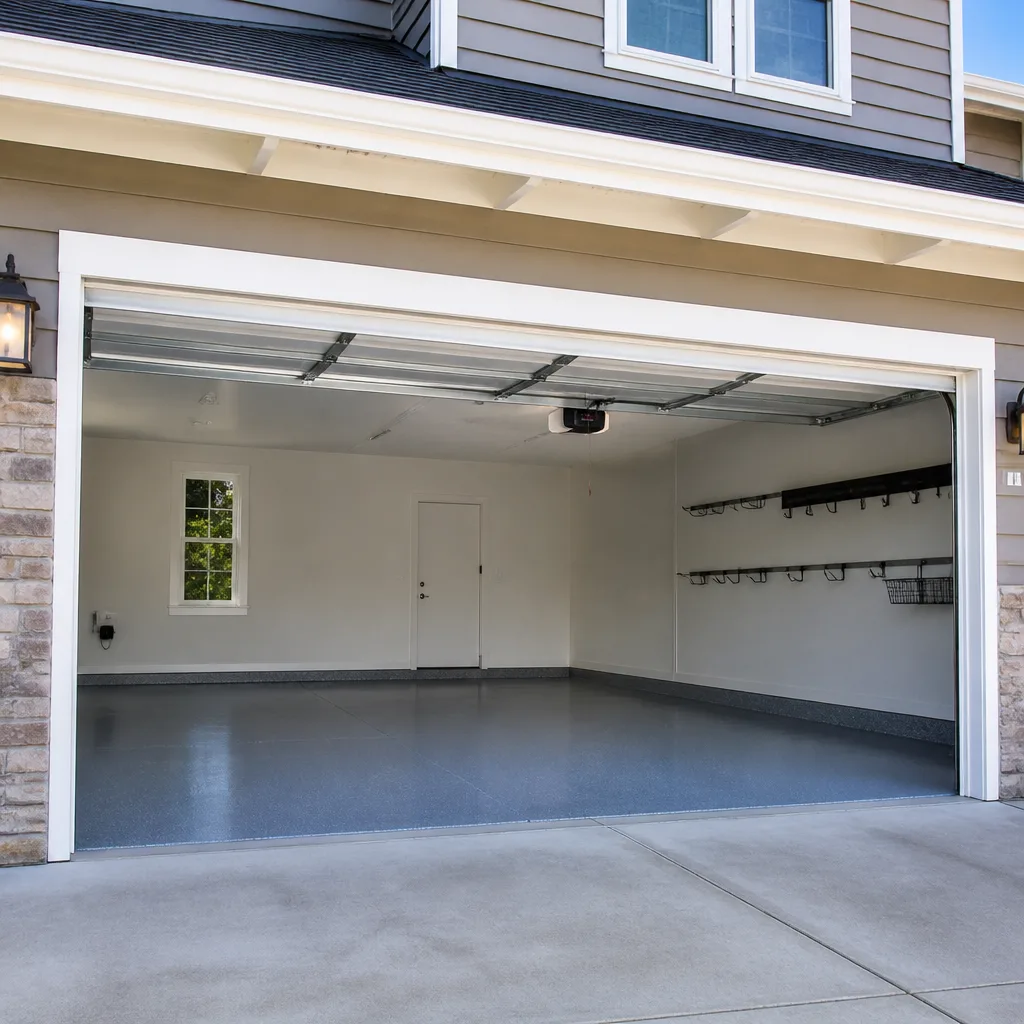 LiftMaster openers
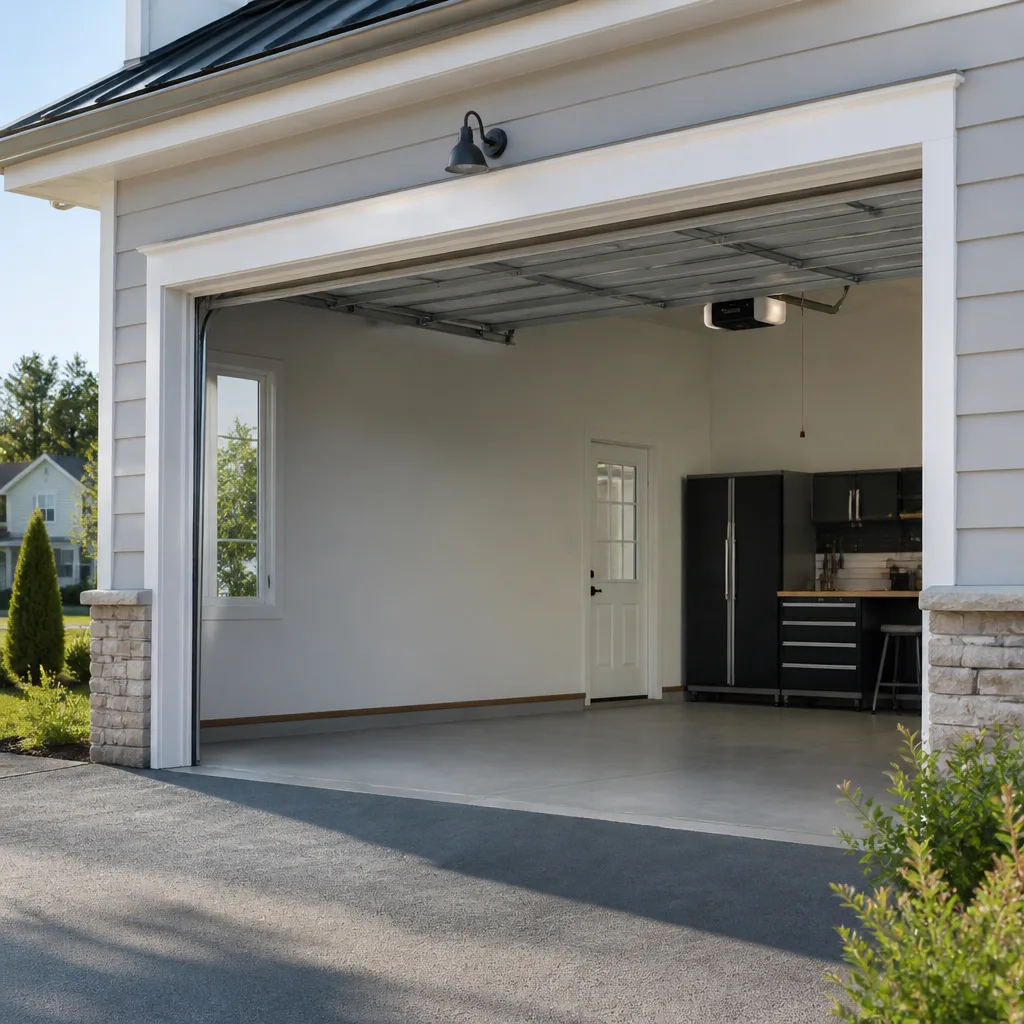 Chamberlain openers
Full 25-point door and opener safety check with every visit - springs, cables, rollers, tracks, and your LiftMaster or Chamberlain opener included
You get a price before we start. It does not change when the pro arrives.
Get your free estimateGarage Door Emergency Preparedness Guide for Linden Hills Homes
When a torsion spring snaps on a 2,000 lb door, the door doesn’t fall. That’s the part most homeowners get wrong. The door hangs there looking almost normal, and the instinct is to grab the handle and lift it by hand. That instinct is what turns a spring repair into a spring repair plus two new cables, a bent drum, and sometimes a cracked bottom section. Springs do the lifting; without one working spring, the door becomes a dead weight balanced on a track system never designed to hold it up alone. This guide walks through the four emergencies that actually happen to Linden Hills homes, in the order the decisions matter, so you know what to do first and what makes things worse. A few minutes of reading now saves a lot of cost later.
Quick Answer
Most garage door emergencies in Linden Hills come down to four situations: a snapped spring, a dead opener or power outage, a frozen door in a Minnesota cold snap, or a door stuck open or closed at the wrong moment. For all four, the first move is the same: leave the door where it is, don’t force it, and secure the car or the house another way until a technician can look at it. Spring failures and cables under tension are dangerous enough that they’re never a do-it-yourself job. Frozen seals and dead openers often are.
Styles & brands we work with
- Raised-panel steel
- Carriage house
- Modern flush
- Full-view glass
- LiftMaster openers
- Chamberlain openers
Table of Contents
- What to Do When a Spring Snaps
- The Manual Release Cord: How It Works and When Not to Pull It
- Power Outage Protocol: Battery Backup vs. No Backup
- Frozen Door at 6 AM: Telling the Cause Apart
- Door Stuck Open Overnight: Securing the House
- Pre-Emergency Prep: Two Things to Know Before Anything Breaks
- Common Mistakes to Avoid
- When to Call a Professional
What to Do When a Spring Snaps
The sound is unmistakable once you’ve heard it: a sharp bang from the garage, often described as a gunshot, followed by silence. If you’re inside the house when it happens, check whether the door is up or down before doing anything else. A door that was closed when the spring broke is usually stuck closed. A door that was open may drop partway or stay suspended. Either way, the door is now an unbalanced 150 to 250 lb slab of steel or wood riding on tracks that were designed to guide it, not carry it.
Here’s the response sequence, in order:
- Step away from the door. Don’t try to lift it, don’t try to close it if it’s open, and keep kids and pets out of the garage.
- Move the car if it’s not trapped, and only if the door is fully open and stable. If the door is closed and the car is inside, that’s a different problem – see below.
- Look, don’t touch. A snapped torsion spring is usually visible as a gap in the coil above the door. Extension springs (the older style) hang along the sides and can whip when they fail. Never reach up toward either one.
- Call. Spring repair is a dedicated service for a reason – the tension in a wound torsion spring is enough to break a wrist or worse, and the tools to safely unwind and rewind one aren’t in a typical homeowner’s garage. Our Garage Door Repair Linden Hills team handles spring work as a named specialty, not a side job.
If the car is trapped inside, don’t try to muscle the door up. On most doors with a broken torsion spring, the manual release will disengage the opener but the door will still be far too heavy to lift safely, and forcing it can pull a cable off its drum. That’s the scenario where the repair cost roughly doubles. Call for emergency service and let a technician bring the right tools to get the car out without damaging the door.
Why You Shouldn’t Try to Open It Manually
Torsion springs hold the door’s weight in tension, and when one breaks, the other (on a two-spring door) is suddenly carrying double the load. The cables running from the drums to the bottom brackets are also under tension. Pulling the door up by hand puts uneven force on both. In our experience across Linden Hills, the difference between a straightforward spring replacement and a rebuild is usually whether someone tried to force the door first. A snapped spring in a Linden Hills home typically runs $180-$340 for one spring, and most doors use a matched pair, so a pair runs roughly twice that. Forcing the door can add cable, drum, and panel work on top.
The Manual Release Cord: How It Works and When Not to Pull It
Nearly every garage door opener has a manual release – a cord with a handle hanging from the trolley that connects the opener’s arm to the door. Pulling it disengages the opener so the door can be moved by hand. It’s a simple mechanism and it’s misunderstood more than almost anything else on the door.
How it’s supposed to work: you pull straight down, firmly, in line with the cord, while the door is closed or nearly closed. The trolley releases, and the door becomes a manual door – liftable by hand if the springs are healthy. The opener no longer controls it. To re-engage, you typically pull the cord again (or lift the door until the trolley reconnects, depending on the model).
When not to use it:
- Never pull it with a broken spring. The opener is disengaged, but the door is still too heavy. You now have a door you can’t open and an opener that can’t help.
- Don’t pull it at an angle or while the door is moving. A sideways yank can jam the trolley or bend the release arm. Pull straight down, with the door stationary.
- Don’t pull it if the door is fully open and the opener is under load. Releasing the opener in that position can let the door drop unexpectedly.
- Re-engage before you use the opener again. Running the opener with the door manually released will strip the trolley or damage the logic board on some models.
If you’ve pulled the cord and can’t get the door to re-engage, that’s often a sign the trolley or the opener arm needs attention. That falls under garage door opener repair, and it’s worth a call rather than another round of pulling.
The Cord Is a Safety Device, Not a Convenience
Older openers used a rigid release handle on a short cord. Newer ones (including many LiftMaster and Chamberlain models) use a longer cord so a shorter person can reach it, and some have a lockout that prevents the door from being forced up from outside. If your home has young kids, tie the cord up out of reach – it’s a known strangulation hazard and a common reason for a service call that ends in a simple knot. The cord should also be visible and reachable from inside the garage, not buried behind stored boxes. If you can’t find it, that’s worth fixing before you need it.
Power Outage Protocol: Battery Backup vs. No Backup
Minnesota storms knock out power at unpredictable times, and the garage door is often the first thing people notice – especially if the car is inside and someone needs to leave. What works during an outage depends entirely on whether the opener has a battery backup. Since 2019, most new openers sold in the U.S. have been required to include one, but plenty of older units in Linden Hills homes don’t.
If your opener has battery backup (many LiftMaster, Chamberlain, and Genie models do):
- Test it once while the power is on. Press the wall button; if the door opens normally, the battery is charged and ready.
- During an outage, press the wall button or your remote as usual. The opener runs on battery and will lift the door at a slower speed.
- Don’t cycle the door repeatedly. Battery backup is intended for a few open/close cycles, not continuous use.
- When the power returns, the opener recharges the battery on its own. If the battery light stays red or flashing after a day, the battery itself may need replacing.
If your opener has no battery backup:
- Use the manual release – but only if the door’s springs are healthy and the door is light enough to lift by hand. Test gently, one hand on the door, before committing your weight.
- Exit through the front door or a side door. Don’t force the garage door up from inside while standing under it.
- Re-engage the opener before power returns, or the opener may try to run a door that’s still manually released when the power comes back on.
If you’re not sure which kind you have, a quick look at the opener unit’s label usually settles it. The presence of a battery compartment, or a battery indicator light on the wall console, is the giveaway. If the label is worn off, call and we’ll identify it – we work on all the major brands, so no job gets turned away because of an unfamiliar unit.
What Not to Do During an Outage
Don’t run a portable generator to the garage to power the opener. The opener’s control board is sensitive to voltage fluctuations, and a generator feeding a garage circuit is a good way to fry it. Don’t prop the door open with a broom handle or a chair – if the springs are intact, the door will slam down when the prop slips, and if they aren’t, the door can drop further than you expect. And don’t leave the house with the garage door propped open, even for a few minutes; it’s the single most common way a garage gets entered during an outage.
Frozen Door at 6 AM: Telling the Cause Apart
A door that won’t open on a cold Linden Hills morning isn’t automatically a repair call. There are three common causes, and two of them are fixable in a few minutes. The trick is figuring out which one you have before you start yanking on the door and turn a free fix into a service call.
Frozen Seal
The rubber weather seal at the bottom of the door freezes to the concrete floor, especially after a freeze-thaw cycle or a night of wet snow that ran under the door and refroze. Signs: the door lifts an inch or two and stops, or the opener strains and the door lights flicker before it reverses. You may hear the opener running but the door stays put. This one you can usually fix yourself: use a heat gun on low, or a hairdryer, along the bottom seal, working back and forth. Never use a torch, and never pour hot water on the seal – it refreezes into a thicker bond. Once the seal is free, clear any ice from the threshold and dry it. If it happens repeatedly, the bottom seal may be worn or the door not adjusted to close fully; that’s worth a look.
Frozen Track
Ice or snow can pack into the vertical track on one side, especially if the door faces the wind or the driveway drains toward the door. Signs: the door lifts unevenly, one side higher than the other, and you can see ice or packed snow in the track. Fix: chip the ice out with a plastic scraper (never metal, which can gouge the track), then check that the rollers are seated in the track. If a roller has jumped out, don’t force the door – that’s a call.
Failed Opener
Signs: the wall button does nothing, the opener hums but no movement, or the door starts to lift and reverses immediately. On a cold morning, a weak opener motor or a failing capacitor can be the culprit – the grease inside the opener thickens in cold, and a unit that was marginal in October fails in January. A quick check: does the opener’s light come on when you press the button? Does the unit hum? Does the remote work but the wall button not (or vice versa)? Those answers tell a technician a lot. Failed openers usually aren’t a same-minute fix – that’s a scheduled repair, and that’s fine; see garage door repair for the repair side of things.
What You Can Fix at 6 AM
Frozen seal and frozen track are both doable with a hairdryer, a plastic scraper, and some patience. If the door still won’t move after both are cleared, stop. A stuck door that’s not frozen is a mechanical problem, and forcing it in the cold (when metal is brittle) is how panels crack. Call it in and use the front door for the day.
Door Stuck Open Overnight: Securing the House
A door that fails open is the emergency that doesn’t feel like one until you’re trying to sleep. The garage is now an open door into the house for anyone who wants it – not because the door is broken, but because the door is doing its job too well. What to do depends on whether the door can be brought down safely.
- If the door can close safely (springs intact, track clear, no obvious mechanical issue), close it with the wall button or the manual release. Don’t force it if it resists.
- If the door can’t close (spring broken, door hanging, track bent), don’t try to lower it. A 150 to 250 lb door coming down uneven and out of control is a serious injury risk.
- Disconnect the opener if it’s running but not moving the door – pull the manual release so the opener doesn’t burn out trying.
- Secure access from the house side. Lock the door between the garage and the house, and if it’s a walk-through door, make sure it locks. If you have a deadbolt on the garage entry, use it.
- Call for emergency service. This is the scenario garage door installation and repair both address – either the door gets repaired and rebalanced, or it gets replaced. Same-day and emergency service is available for exactly this reason.
In Linden Hills, the overnight scenario that shows up most is a door that fails after a long day of in-and-out with a car full of kids and groceries – the opener cycles dozens of times, the spring gets tired, and it lets go at the worst moment. The fix is the same either way: secure what you can, leave the rest, and let a specialist handle the part that’s under tension.
Pre-Emergency Prep: Two Things to Know Before Anything Breaks
The single best thing you can do for your garage door is spend ten minutes now, while nothing is wrong. There are two things to know and one habit to build. None of them cost anything.
Know Where the Emergency Disconnect Is
The manual release cord is the disconnect. Find it now: it hangs from the trolley that connects the opener arm to the door, usually near the middle of the door’s top edge, and it’s often a red handle. Make sure you can reach it, that it’s not tangled behind stored items, and that everyone in the house old enough to drive knows where it is. Tie it up out of reach of small kids. If the cord is missing or seems to have been cut, that’s a repair – the release is a safety device.
Know When to Call vs. Wait
Some problems are “call now,” some are “call tomorrow,” and some are “don’t touch that.”
- Call now (emergency service): a snapped spring with a car trapped inside, a door stuck open overnight, a door that’s hanging by one side, a cable that has come off, a door that won’t close with the weather turning.
- Call tomorrow (scheduled repair): a noisy door, a door that reverses intermittently, a remote that works sometimes, a battery backup that isn’t holding, a door that’s slower than it used to be.
- Don’t touch that: any spring, cable, drum, or bracket that’s under tension; any adjustment to the opener’s travel or force settings; any attempt to straighten a bent track while the door is up.
The other thing to build is a habit: test the door’s balance once a month by disconnecting the opener (with the door closed) and lifting it halfway by hand. A balanced door stays put at any position. A door that drifts down is telling you the springs are tired. A door that’s hard to lift is telling you something else is wrong. Either way, you’ve just given yourself a few weeks of warning – which is exactly the kind of warning that turns an emergency into a scheduled visit.
Also Worth Knowing
The door’s sticker (usually on the inside of the bottom panel or the opener’s housing) tells a technician the brand and model. Wayne Dalton doors have a distinctive look and a slightly different drum system than most; Raynor openers have their own quirks. Knowing what you have before you call makes the conversation faster. And if your opener is a Craftsman or a Genie from the last decade, parts are still available for most models – worth knowing before you assume it needs replacing.
Common Mistakes to Avoid
- Trying to lift a door with a broken spring. The door may seem to move, but the weight is going straight into your back and the cables. Leave it. A sprung door is a two-person job with the right tools.
- Pulling the manual release at an angle or while the door is moving. The trolley can jam or the arm can bend, and now you have a stuck door and a damaged opener. Pull straight down, door stationary.
- Pouring hot water on a frozen seal. It feels helpful for about thirty seconds, then it refreezes into a thicker bond. Use a hairdryer or heat gun, working back and forth along the seal.
- Forcing a frozen door with the opener. The opener doesn’t know the door is stuck; it just keeps pushing. That burns the motor or strips the gear. If the door doesn’t move on the first try, stop and investigate.
- Running the opener with the door manually released. The opener arm runs into the trolley, the door doesn’t move, and the logic board or the trolley itself can be damaged. Re-engage before using the opener.
- Leaving the garage door propped open during an outage. It’s the most common way a garage gets entered. Close it if you can, lock the house side if you can’t, and get a technician out.
- Assuming a new door is needed when a repair will do. A single stuck door, a noisy opener, or a slow cycle is often a repair. A door that’s bent, rusted through, or has a cracked panel is a replacement conversation. The two are not the same.
When to Call a Professional
Call a professional for anything involving tension – springs, cables, drums, brackets – and for any door that won’t move safely. Call for a snapped spring even if the door looks fine, because it isn’t. Call for a door stuck open overnight, a door that reverses without warning, or an opener that hums but doesn’t lift. Call if you’ve tried the frozen-seal and frozen-track fixes and the door still won’t budge. And call if you’re not sure – a phone conversation costs nothing and a wrong move can cost a lot.
Garage Door Repair Linden Hills offers free estimates in Linden Hills – call (855) 710-3186. Our technicians have up to 12 years of experience, we work on every major brand from LiftMaster to Wayne Dalton, and one call covers both the door and the opener. Same-day and emergency service is available for the moments that can’t wait.
See the difference
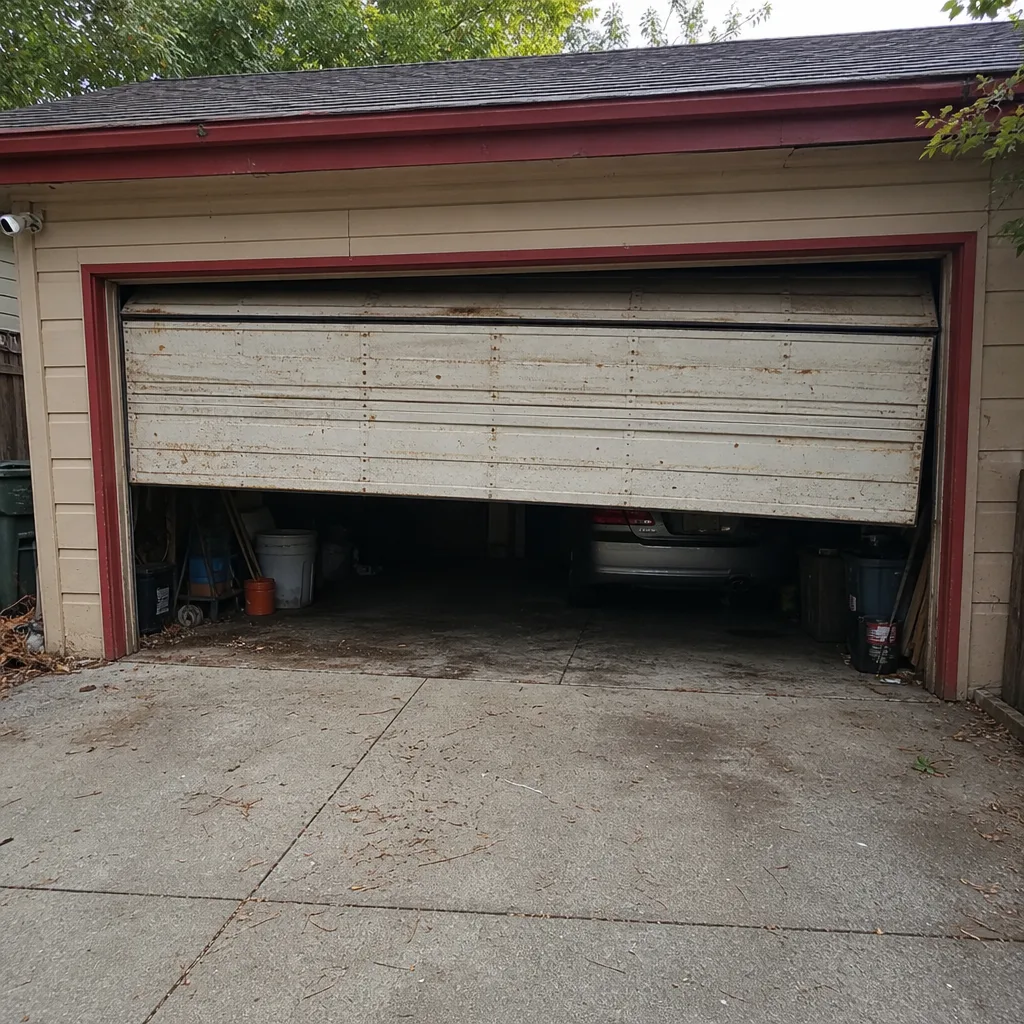 Before
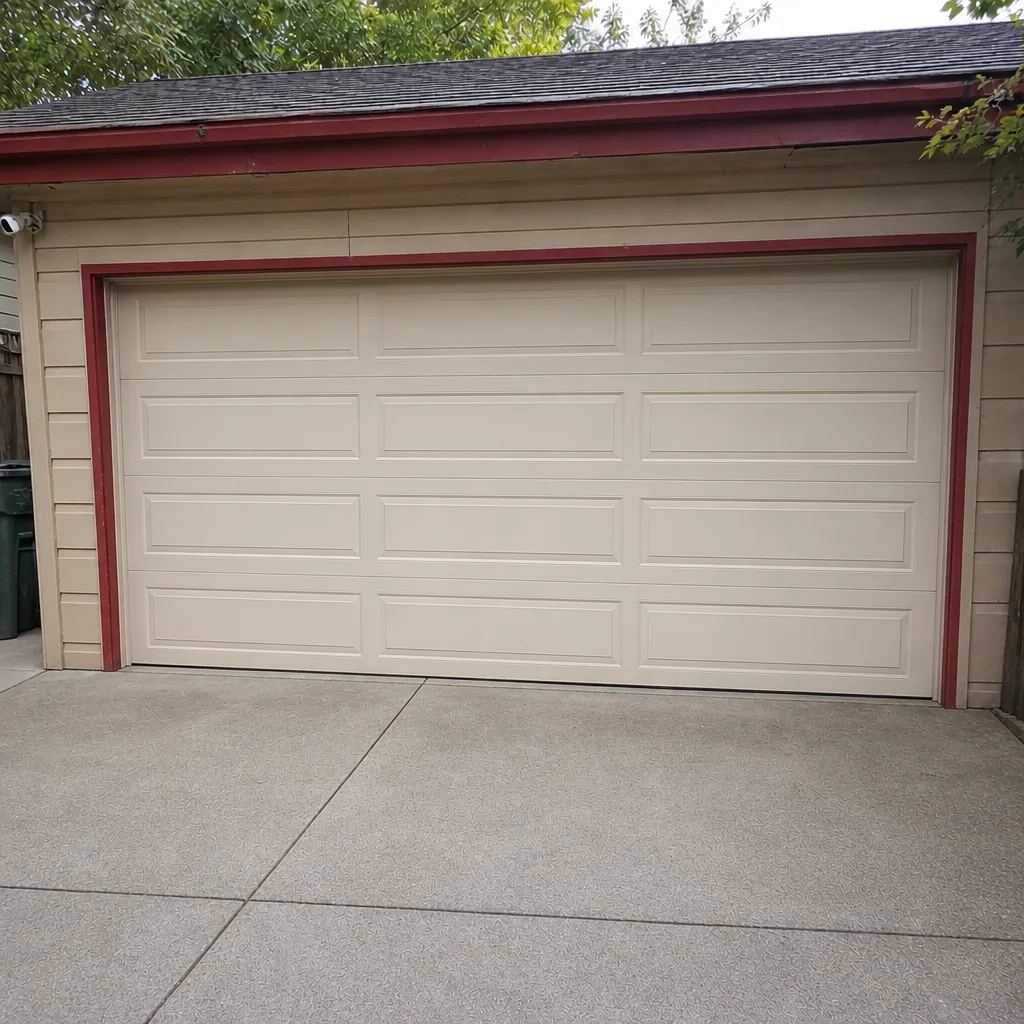 After
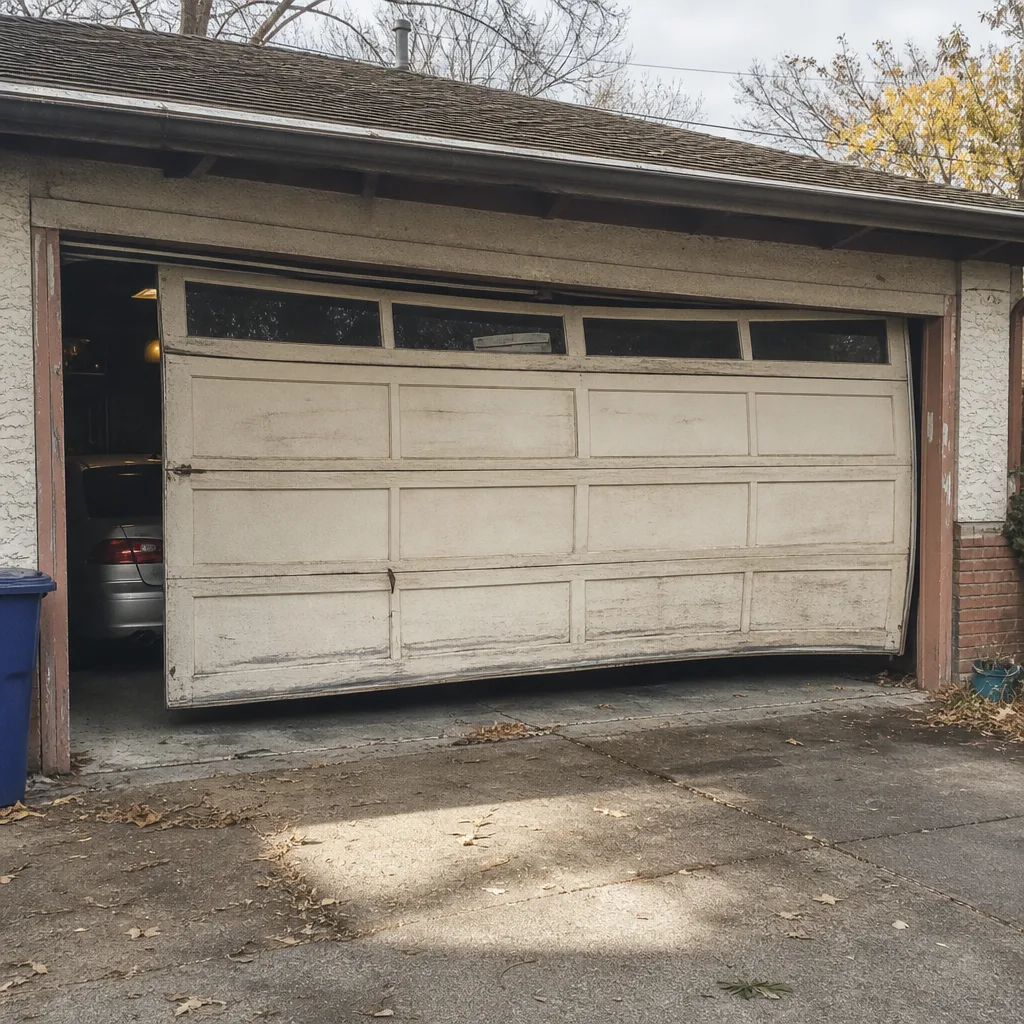 Before
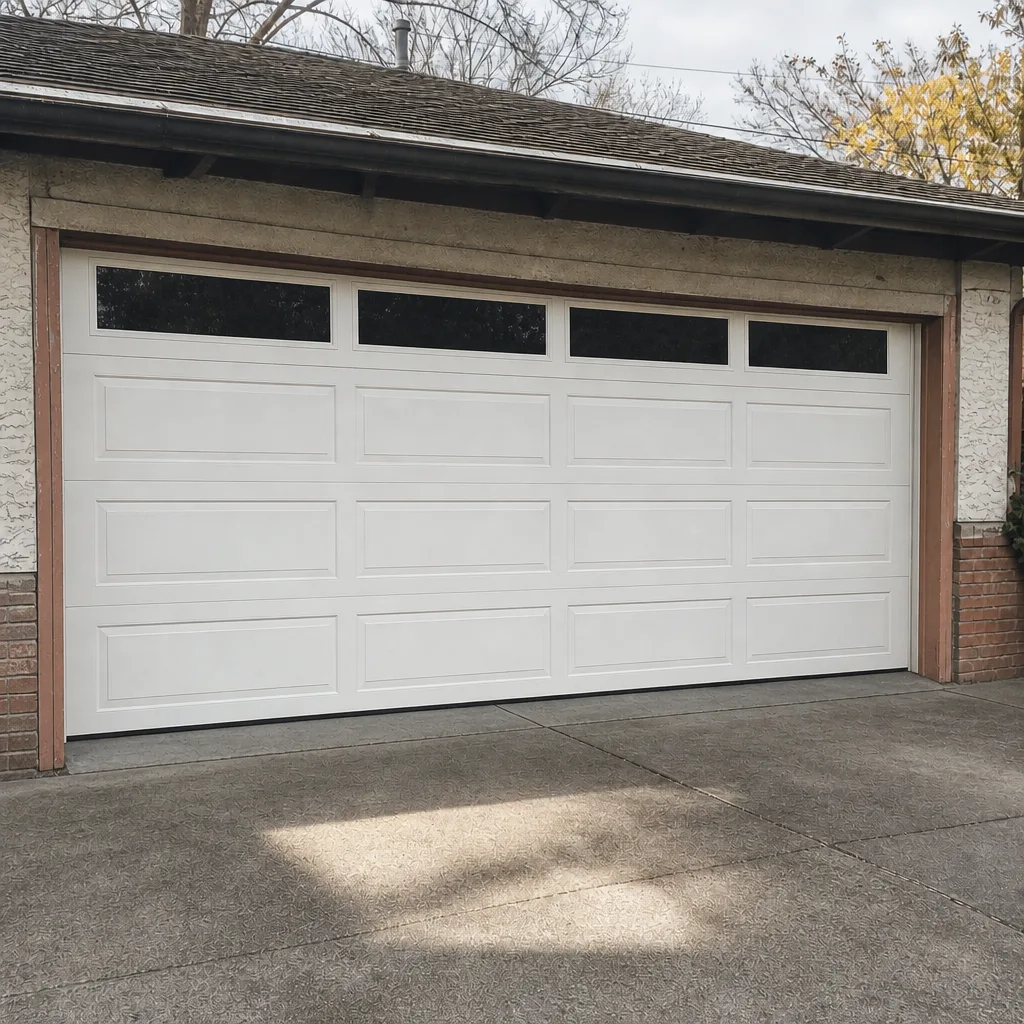 After
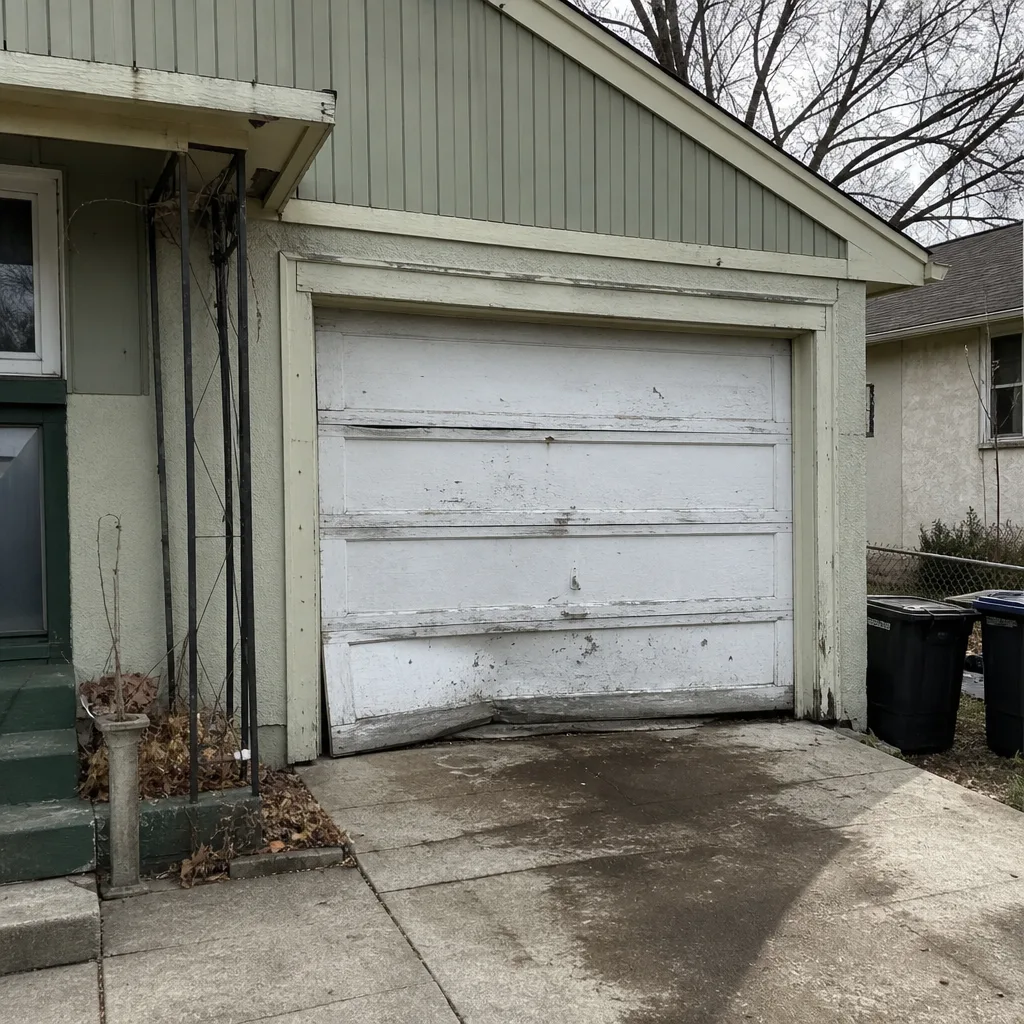 Before
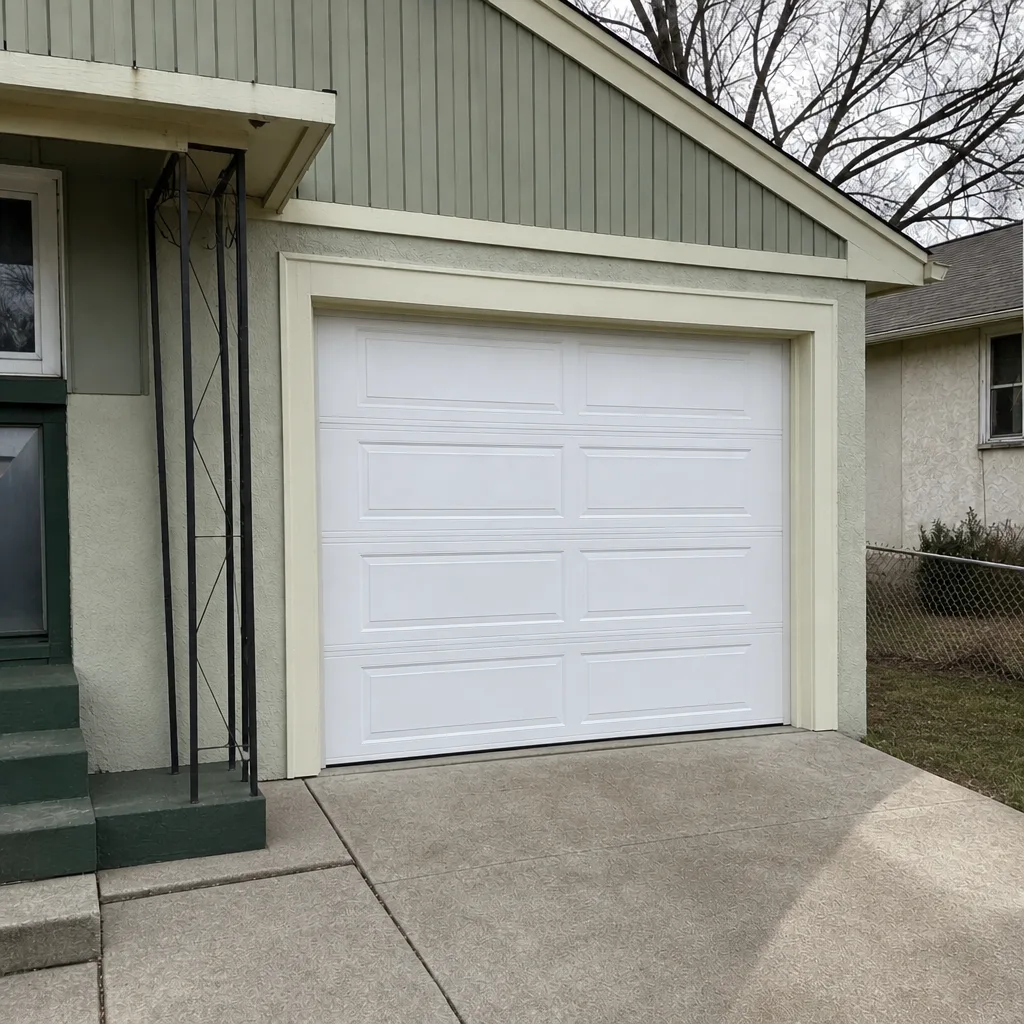 After
Frequently Asked Questions
A single spring replacement typically runs $180-$340 in the Linden Hills area, and most doors use a matched pair that’s usually replaced together, so a pair runs roughly twice that. The written estimate you get before any work starts is the price – the estimate sets the final number, and we don’t start work until you’ve agreed to it. Call (855) 710-3186 for an exact quote; estimates are free.
For a stuck door, a snapped spring, or a door stuck open, yes – same-day and emergency service is available. Call (855) 710-3186 and we’ll get a technician out as soon as we can. For a new door or a planned replacement, the timing is different: that work gets measured, ordered, and scheduled, so plan on a free measure and a written price rather than same-day.
No, the price you agree to before work starts is the price you pay. The one thing that can change it is if the problem turns out to be bigger than described – for example, a spring repair that also needs a cable or drum. In that case, we stop and re-quote before doing the extra work, so there’s no surprise invoice. Call (855) 710-3186 for a free estimate.
The local professionals we connect you with are licensed and insured as their state requires, and our technicians have up to 12 years of experience. Garage door work – especially spring and cable work – is not a general handyman job, and our team works exclusively on garage doors rather than across unrelated trades. Call (855) 710-3186 to book an estimate.
If your opener has battery backup, the door should open at a slower speed during an outage unless the battery is dead or not charging. The most common cause is a battery that’s reached the end of its life and needs replacing, which shows up as a red or flashing battery light after a day of restored power. If the door still won’t move, the problem may be the door itself rather than the opener – call (855) 710-3186 and we’ll sort it out.
It’s safe if the springs are healthy and the door lifts easily by hand, but a door that’s frozen to the floor or has a failing spring should not be manually released. The release disconnects the opener, not the springs, so a heavy door stays heavy and can come down unexpectedly. If the door feels hard to lift even an inch, stop and call (855) 710-3186.
The Bottom Line
Garage door emergencies in Linden Hills follow patterns: a snapped spring, a dead opener, a frozen seal, a door stuck open. What separates a quick fix from an expensive repair is usually the first ten minutes – whether you force the door or leave it, whether you pull the manual release at the right moment, whether you know where the disconnect is before you need it. Springs and cables are never a do-it-yourself job; frozen seals and dead batteries often are. Know the difference, know the number, and call for the parts that are under tension. Garage Door Repair Linden Hills offers free estimates – call (855) 710-3186.
Written by the team at Garage Door Repair Linden Hills.