Last updated November 21, 2026
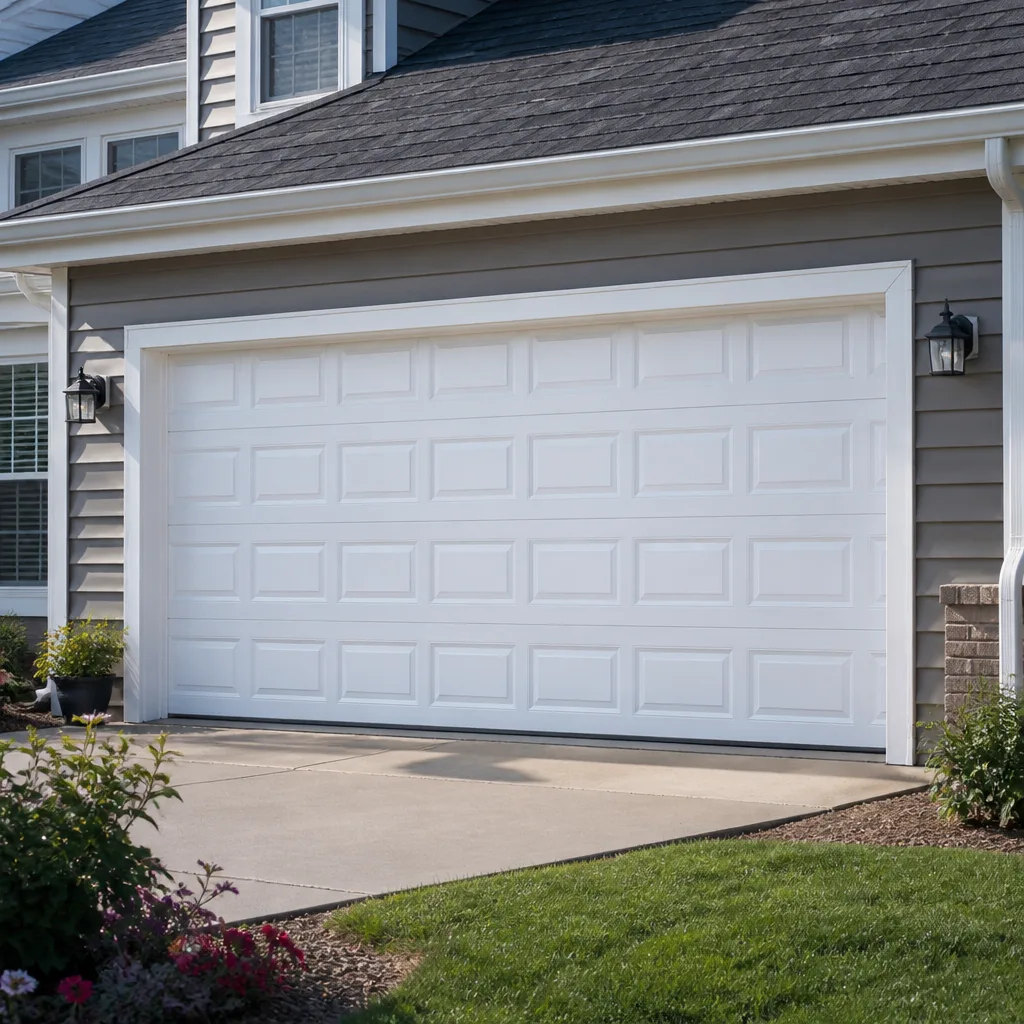 Raised-panel steel
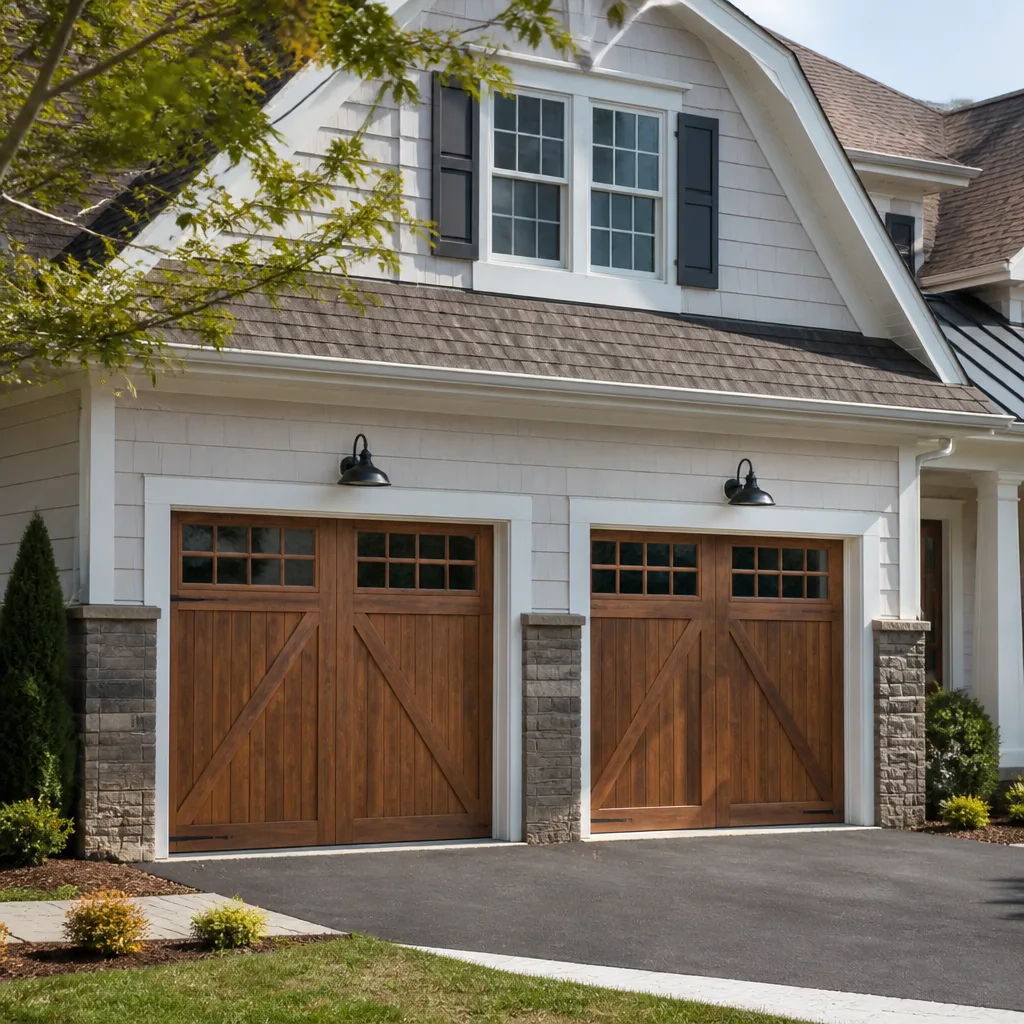 Carriage house
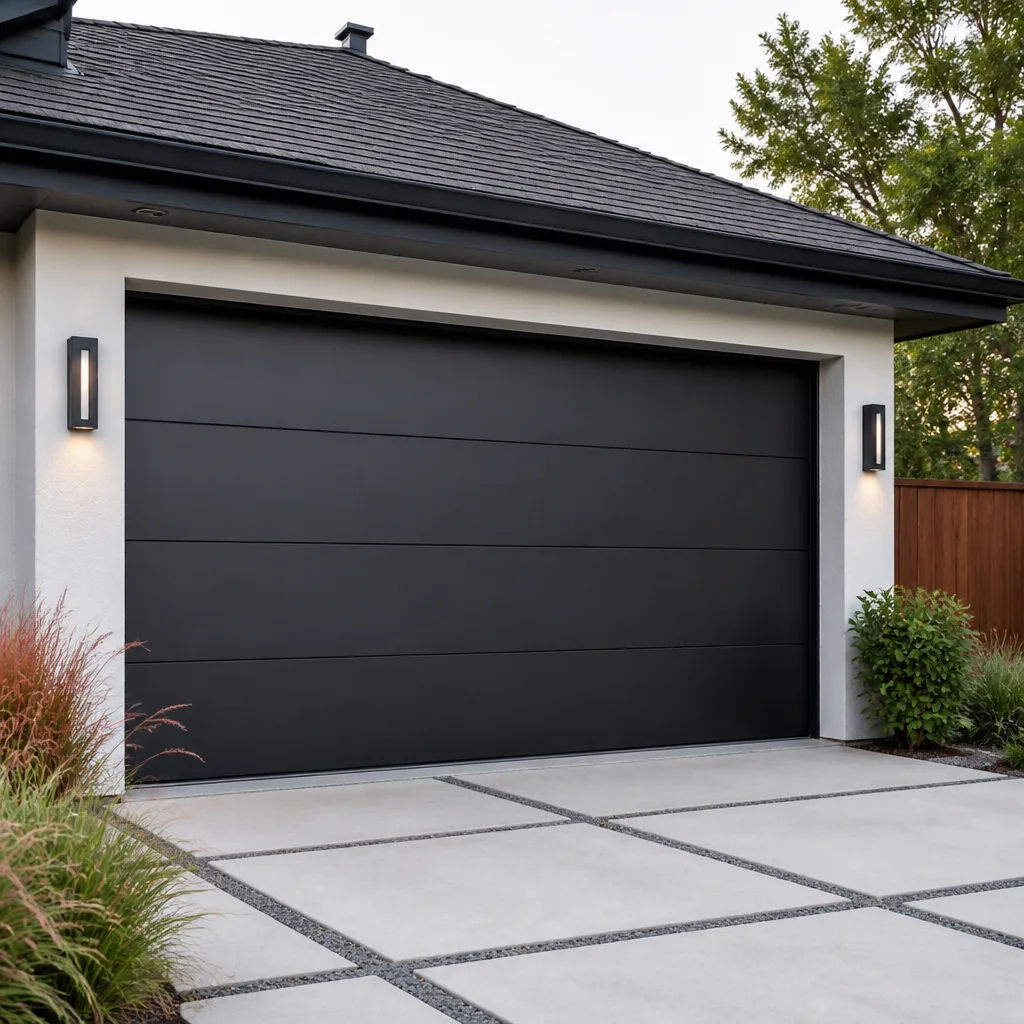 Modern flush
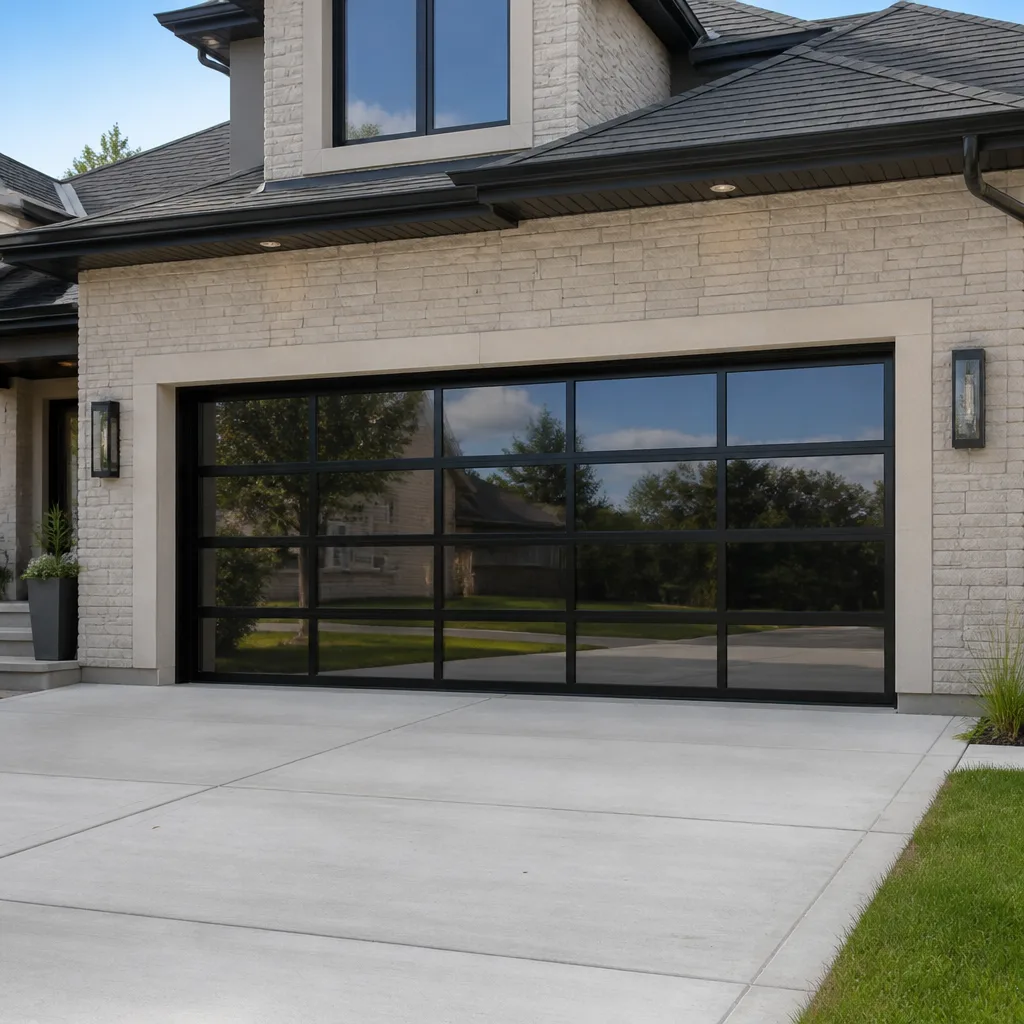 Full-view glass
 LiftMaster openers
 Chamberlain openers
Full 25-point door and opener safety check with every visit - springs, cables, rollers, tracks, and your LiftMaster or Chamberlain opener included
You get a price before we start. It does not change when the pro arrives.
Get your free estimateGarage Door Permits, Codes & Inspections in Linden Hills, MN: What You Need to Know
Here’s the part that surprises most homeowners in Linden Hills: swapping an opener for a newer model is routine work that doesn’t touch a permit. Cutting into the opening to fit a wider door is a different animal entirely, and the paperwork you skip today can follow the property to the closing table. The line between those two situations is narrower than a lot of contractors make it sound, and it runs straight through Hennepin County and Minneapolis code. This guide walks you through where that line sits, what the inspector actually looks at when a permit is required, how fire-rated doors between an attached garage and living space factor in, and how to sort out HOA approval from a municipal permit. If you’re planning work on your garage door in Linden Hills, read this before anyone touches the frame.
Quick Answer
A like-for-like garage door replacement or an opener swap generally needs no permit in Linden Hills. Anything that changes the size of the opening, alters the framing, adds a new opening, or involves the fire-rated door between an attached garage and the house usually does require a permit and an inspection. When in doubt, confirm with the City of Minneapolis building department before work starts, because requirements can turn on the specifics of your structure.
Styles & brands we work with
- Raised-panel steel
- Carriage house
- Modern flush
- Full-view glass
- LiftMaster openers
- Chamberlain openers
Table of Contents
- When does garage door work require a permit in Linden Hills?
- Like-for-like vs. structural modification: where the line sits
- Fire-rated doors between an attached garage and living space
- What the inspector actually checks
- Unpermitted work at resale and how to fix it
- HOA architectural approval vs. municipal permit
- How the Linden Hills climate and housing stock shape the rules
- Common mistakes to avoid
When does garage door work require a permit in Linden Hills?
The short version: cosmetic and mechanical swaps are typically permit-free, while anything structural is not. That’s the frame most contractors should give you up front, and it’s the one we start every Linden Hills conversation with. In our experience, confusion creeps in because “garage door work” covers a wide range, from a spring that snapped last night to a brand-new door on an enlarged opening.
Here’s how the two categories usually split:
- Usually no permit: replacing a door panel-for-panel with the same size and style, swapping a garage door opener, and repairing springs, cables, rollers or tracks on an existing door. These are mechanical or like-for-like changes that don’t alter the structure of the opening.
- Usually requires a permit: widening or shortening the opening, changing the header or framing, cutting a new opening into the garage wall, converting a carport to an enclosed garage, and work on the fire-rated door between an attached garage and the living space.
- Often a judgment call: replacing a door with a noticeably heavier or different type, where the springs, tracks and opener may need recalculation. The door itself may not trigger a permit, but the structural implications still need to be thought through.
The reason this matters in Linden Hills specifically is the age and tight spacing of the housing stock. Many properties here sit close to neighbors, and garages range from small originals to later additions. When a homeowner wants to open things up for a modern door, the change often spills over into framing and the fire separation between garage and home. That’s when a routine replacement turns into permitted work. If you’re just trying to get a broken door working again, that’s a straight repair, and it’s the kind of work we handle without a permit as part of garage door repair. If you’re changing the shape of the opening, plan for a permit.
Our rule of thumb: if the door goes back into the same opening and no framing moves, you’re almost certainly in the no-permit camp. If a saw comes out to change the opening, expect paperwork. And when you’d rather not guess, a call to the City of Minneapolis building department settles it in minutes, before any work is scheduled.
Like-for-like vs. structural modification: where the line sits
“Like-for-like” means the new door matches the old one closely enough on size and weight that the opening, springs, tracks and opener all stay within their original design. That’s the standard behind a permit-free replacement. A structural modification is anything that changes what the opening or the surrounding wall can carry, and that’s where permits and inspections come in.
In practice, the difference shows up in a few predictable places:
- Size: replacing a single door with the exact same single door is like-for-like. Widening it to fit a double, or converting two singles into one larger opening, changes the header and the load above it. That’s structural.
- Weight: going from a lighter door to a heavier one can require bigger springs and different tracks. It’s not always a permit question, but it’s always a calculation question, and it needs to be done right so the door doesn’t strain the opener or strain you at the bottom of the cycle.
- Framing: new posts, a new header, or reinforcing for a heavier door is framing work. Treat it as permitted.
- New opening: cutting a garage door where there wasn’t one, or enclosing a carport, is new construction and needs a permit.
What most contractors skip: the permit question isn’t just about the door. It’s about the opening and everything that holds it up. A door replacement that stays inside the original opening generally travels with the structure as-is. Change the opening’s dimensions or the structure around it, and you’ve crossed into permitted territory. We’ve seen this play out in Linden Hills homes where a homeowner wants a wider, modern look and doesn’t realize the framing change is the part that triggers the city review. That’s why we ask about the opening size and framing up front, before we quote a new door. If it’s a simple swap, we schedule it straight away. If it’s structural, we tell you to line up the permit first.
When the plan is a new door in the same opening, that’s the clean case: measurement, order, install, done. You can learn how we handle that side in our page on garage door installation. When you’re changing the opening, the door is only half the project.
Fire-rated doors between an attached garage and living space
If your garage is attached to the house, there’s a specific door between the garage and the living area that carries an important job: slowing the spread of fire and keeping exhaust fumes out of the home. Minnesota’s residential code treats that separation seriously, and it’s one of the most overlooked parts of a garage door project.
Three things matter here:
- The separation must be maintained. The wall and door between an attached garage and the home are there to buy time in a fire and to keep carbon monoxide and fuel vapors out of living space. Any change that breaches that separation needs to be done to code.
- The door between garage and house is not the overhead door. Homeowners sometimes conflate the big overhead door with the fire-rated door that leads from the garage into the kitchen or hallway. They’re separate components with separate rules. The overhead door keeps weather and intruders out. The fire door between garage and house is the life-safety piece.
- Permits and inspections apply to the fire door. Replacing or altering that door is a code matter, not a cosmetic one, and it’s typically reviewed by the city. Don’t treat it like a simple swap.
Where we see trouble in Linden Hills is during remodels. A homeowner reconfigures a hallway or kitchen, the door between garage and house gets moved or widened, and nobody thinks about the fire separation because the focus is on the overhead door and the opener. That gap is the one a resale inspection loves to find. The rule is simple: if you touch the door between the garage and the living space, be ready to show it meets the code’s fire-separation requirement. Ask the building department what applies to your specific layout, because the exact requirement depends on how your garage attaches to the home.
Note the distinction from spring, cable and opener work on the overhead door itself. Springs, cables and high-tension parts are a different kind of risk. Those are a safety matter, not a code-permit matter, and they belong in the hands of a trained specialist. We handle them as a dedicated service, and we never walk a homeowner through a spring replacement as a do-it-yourself project.
What the inspector actually checks
When a permit is required, an inspection follows, and knowing what the inspector looks at helps you prepare. The inspection focuses on structure and safety, not finish and aesthetics. The door’s color and style are yours. The opening’s integrity and the fire separation are the city’s concern.
Here’s the sequence homeowners in Linden Hills can expect:
- Permit application and plan review. You or your contractor submit the scope, and the city reviews it before work starts. This is where the exact opening dimensions, framing changes and fire-separation details get cleared.
- Rough-in inspection. If framing changed, the inspector checks the new header, posts and connections before the opening is closed up. Skip this and you may be asked to open the wall back up.
- Final inspection. This is the one that matters most for resale. The inspector confirms the door sits correctly in the opening, the framing matches the approved plans, and the fire-rated door between garage and house meets code.
- Sign-off. Once the work passes, the permit is closed. Keep the documentation. It’s the difference between a clean sale and a scramble at closing.
What the inspector is not doing: grading the door’s appearance, checking your opener model, or testing your springs for wear. Those are maintenance and mechanical questions, and they’re why we do a full check of the door system at install. An opener that needs attention is a separate conversation, and one we handle in garage door opener repair. The inspection is about the structure and the code, not the components you’d call about on a Tuesday night.
The practical preparation step is simple: have your approved plans and any framing documentation in hand, and make sure the opening is accessible and clear so the inspector can see the connections and the fire door. If framing was involved, confirm the rough-in inspection is done before the wall goes back up. That one step saves the most grief.
Unpermitted work at resale and how to fix it
Unpermitted garage work has a way of finding you at exactly the wrong time: the home inspection, the appraisal, or the final walk-through. Sometimes it surfaces years later when a buyer’s inspector asks to see the permit for a widened opening, and the answer is a shrug. That’s when the cost of skipping the paperwork catches up.
The remediation path looks like this:
- Identify the scope of the unpermitted work. Determine whether it was a cosmetic swap or a structural change. A like-for-like replacement usually isn’t a problem. A modified opening without a permit is.
- Contact the city. Explain the situation and ask about a permit, a post-hoc inspection or an as-built approval. Cities vary in how they handle unpermitted work, and being upfront usually beats being caught.
- Open up what the inspector needs to see. If framing is buried behind drywall, expect to expose it. This is often the largest cost in remediation, because it’s finish work, not door work.
- Get the work inspected and signed off. Once it passes, the paperwork exists and the resale problem goes away.
- Document everything. Keep the permit, the inspection report and any contractor documentation together for the future sale.
The reason we’re careful about running this down before the work starts is that remediation is usually more expensive than doing it right the first time. Removing drywall, exposing framing, and re-inspecting is a lot more than the cost of a permit and a scheduled inspection. In Linden Hills, where homes tend to stay in a family for years before they sell, the gap between install and sale can be long enough that everyone forgets whether a permit was pulled. If you can’t say for certain, assume it wasn’t, and get ahead of it. A quick call to the city confirms whether there’s a permit on record.
HOA architectural approval vs. municipal permit
Two different gatekeepers govern two different things. The municipal permit is about safety, structure and code. The HOA architectural review is about appearance and consistency with the neighborhood. Some projects need one, some need the other, and some need both. Homeowners who assume the city’s sign-off covers the aesthetics find out otherwise when they get a letter.
Here’s how to think about it:
- The city cares about code and safety. The building department wants the opening to be structurally sound and the fire separation to be intact. It doesn’t care whether your door is a raised-panel or a carriage-house style.
- The HOA cares about curb appeal and consistency. If you live in a Linden Hills area with an HOA or an architectural review committee, the door’s style, material and color may need approval before it goes on the house. That review can take time, so start it early.
- Both can apply at once. A door replacement in the same opening may need no municipal permit but still require HOA approval. A structural change may need both. Plan for the longer timeline of the two.
In our experience, the HOA piece is where timelines get squeezed. Homeowners pick a door style, order it, and only then discover the architectural review takes a couple of weeks or more. Order the door after the approval, not before. We’re happy to work from the HOA’s style guidelines and give you the model information needed for the review. And if the work is a straight repair, the HOA usually doesn’t care: nobody’s reviewing the color of a replaced spring.
How the Linden Hills climate and housing stock shape the rules
Linden Hills sits in a climate that’s hard on doors. Cold winters, freeze-thaw cycles and the seasonal swing from humid summers to dry, cold air put stress on springs, tracks, weatherstripping and the door’s balance. That’s why the door hardware in this area wears faster than in milder parts of the country, and it’s a big reason repair calls pick up when the temperature drops. The climate also informs the code conversation in a practical way: doors that go out of balance from thermal stress are more likely to need hardware adjustments, and those adjustments can reveal whether the door is still matched to its opening or whether someone swapped it for a heavier model without updating the springs.
The housing stock adds another layer. Linden Hills has a mix of older homes and later additions, and many garages were built or modified at different times. In some cases, the door on the house today isn’t the door the opening was originally framed for. That’s where the permit question gets real: if the opening was changed at some point, the door that’s on it now may or may not match the structure’s original design. When we replace a door, we check the opening and the framing, and we flag any sign that the opening was modified in the past. That check is also how we spot a heavier door that’s been fitted to lighter springs, which is a safety problem regardless of permits.
The brands we work on span the most common residential names, including Clopay and Amarr doors and Craftsman openers, so most Linden Hills homes have a system we know well. That matters for one reason: knowing the door and opener lets us tell whether a proposed replacement is truly like-for-like or whether it’s a change that needs a permit. We’re not guessing about whether a new door is heavier than the old one, because we can read the specs on both. That’s how we keep a straightforward replacement on the no-permit side of the line and flag a structural change before anyone swings a hammer.
Common Mistakes to Avoid
- Assuming every garage door replacement needs a permit. Like-for-like work in the same opening usually doesn’t. Check the scope, not the trade. Most surprises go the other way.
- Assuming no garage door work ever needs a permit. Widening an opening or altering framing is structural, and skipping the permit sets up a problem at resale.
- Forgetting the fire-rated door between garage and house. It’s a code matter, not a cosmetic one, and it’s the piece remodels miss. Don’t let a hallway change quietly breach the separation.
- Ordering the door before the HOA approves it. Architectural review takes time, and a door you can’t install is a door on your credit card with nowhere to go.
- Not keeping the permit and inspection paperwork. The sign-off is what proves the work at sale. Store it where you’ll find it years later.
- Letting a handyman troubleshoot high-tension springs and cables. Springs and cables are a genuine safety hazard, and they need a trained specialist, not a generalist. This one is about safety more than permits.
- Treating the opener like structural work. An opener swap is routine and generally permit-free. Don’t overthink it, but do make sure the opener matches the door’s weight.
See the difference
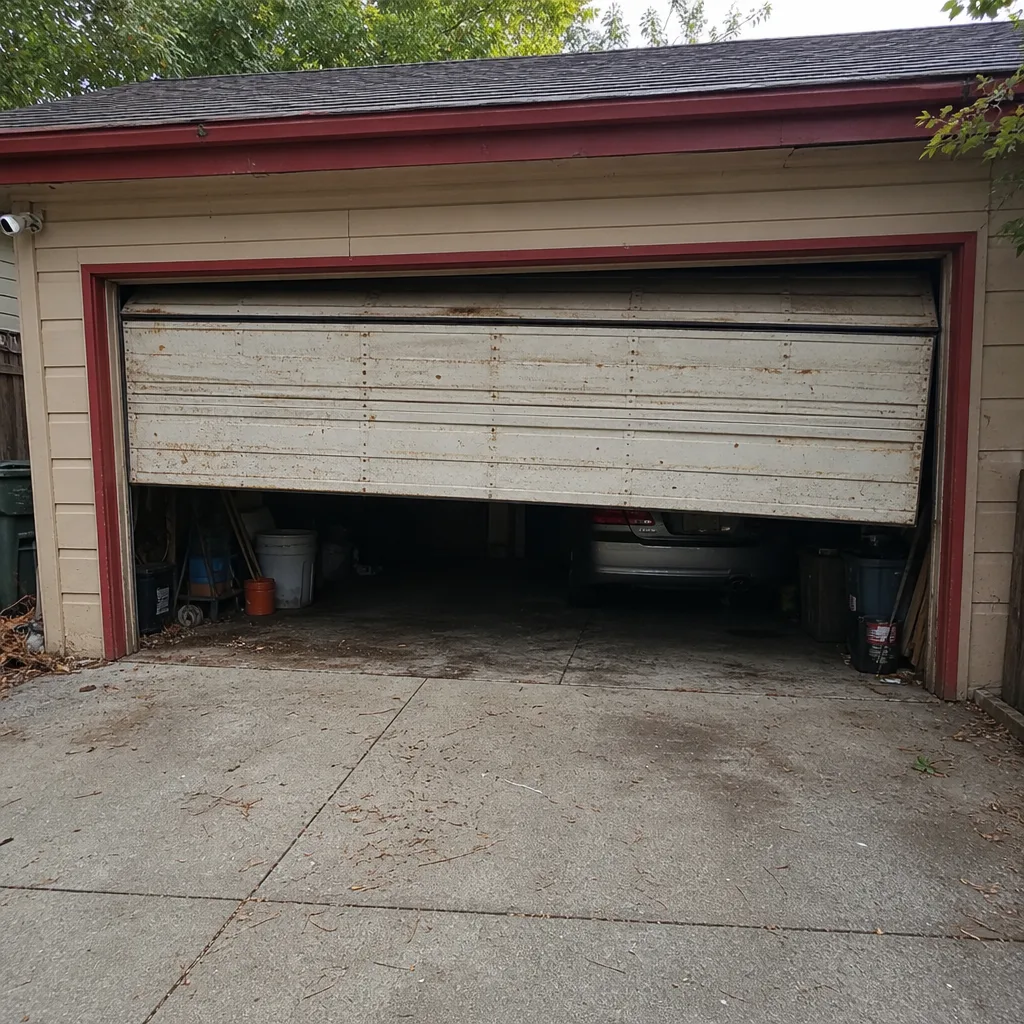 Before
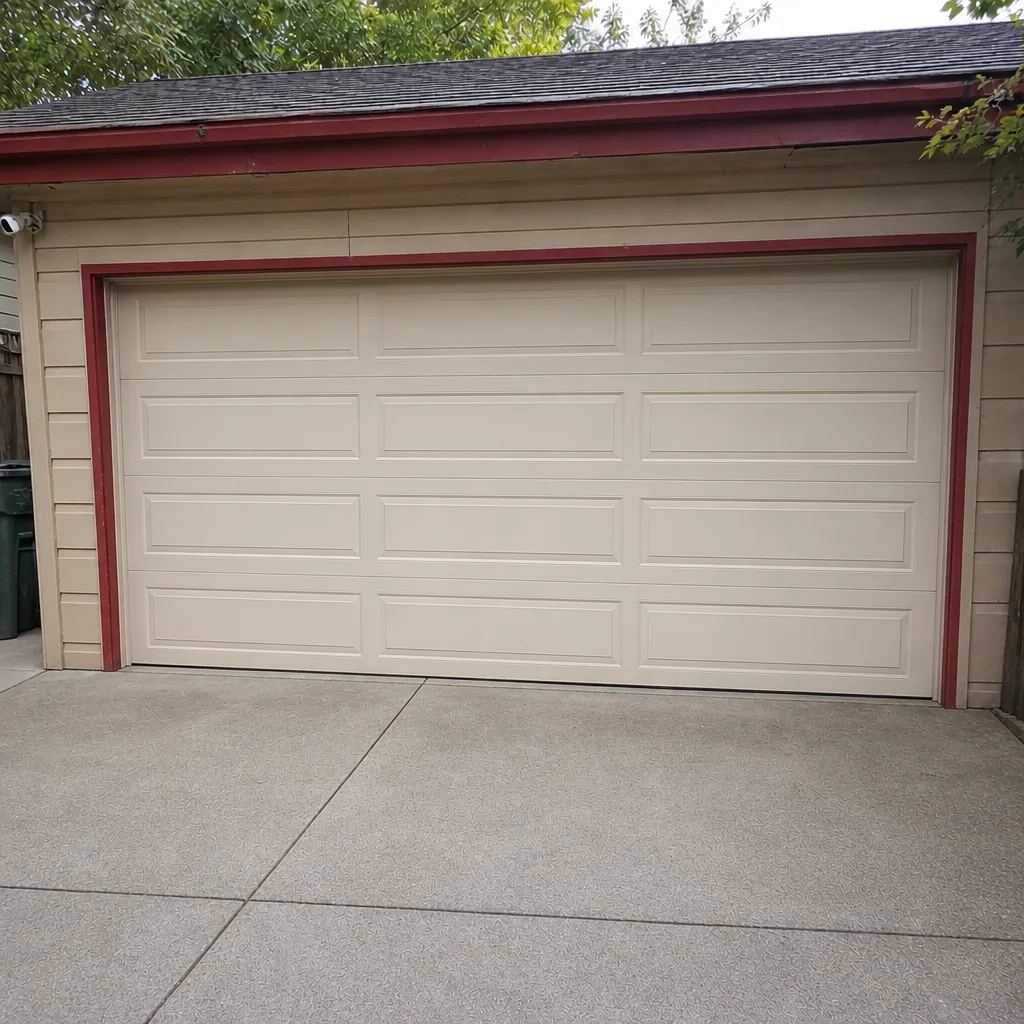 After
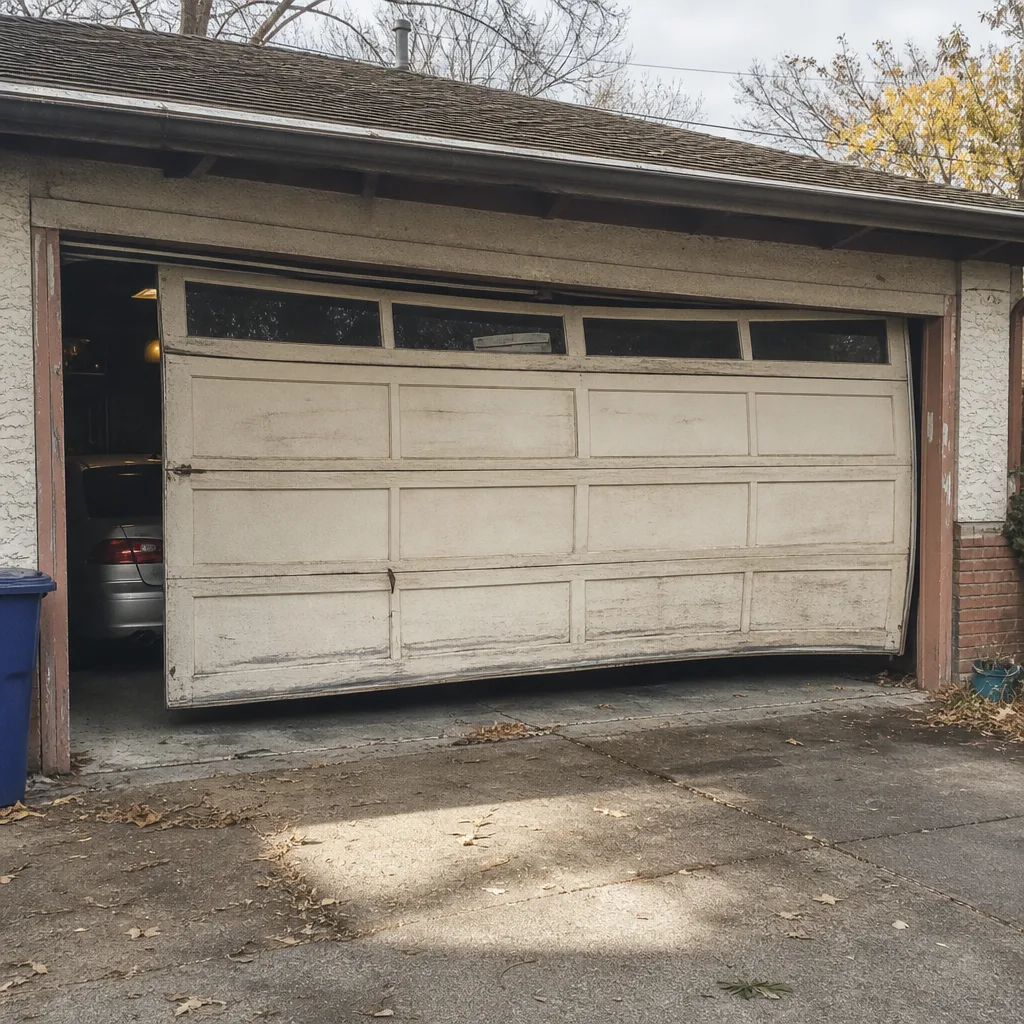 Before
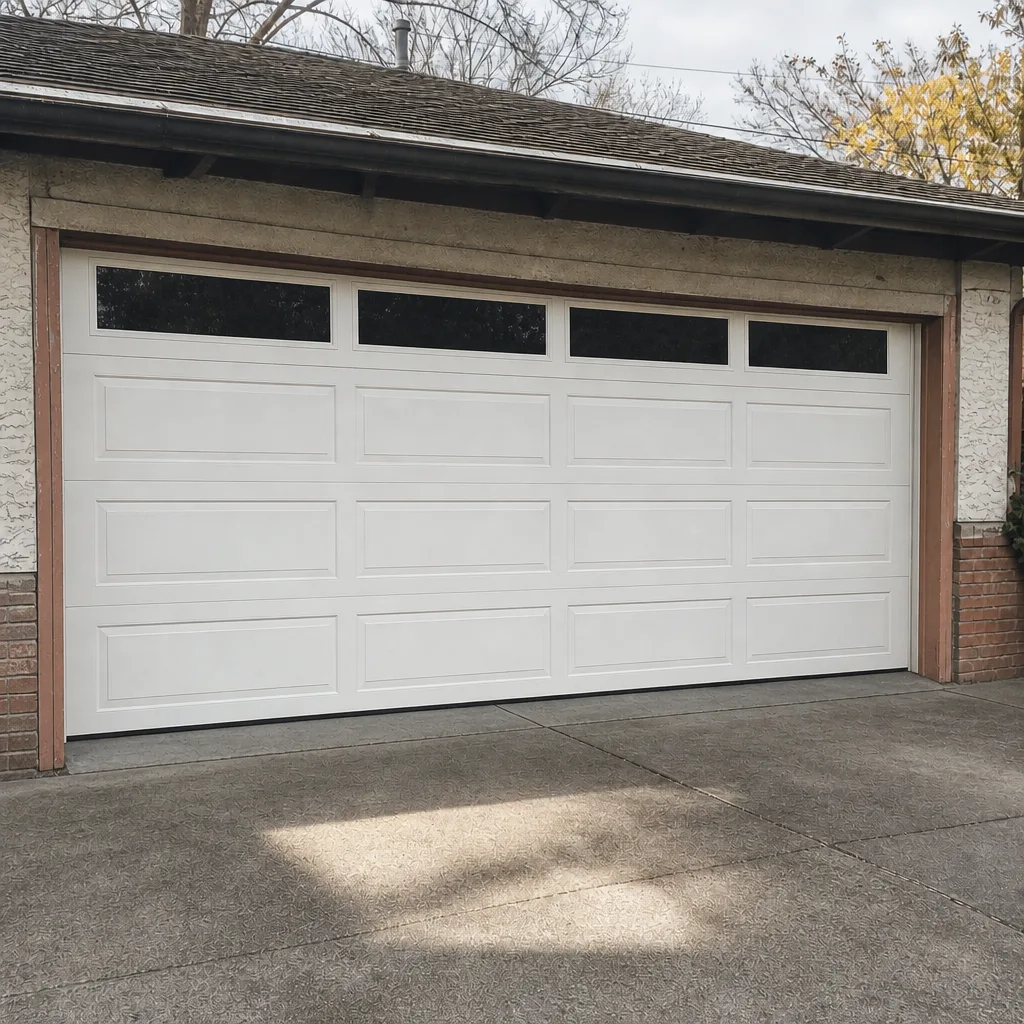 After
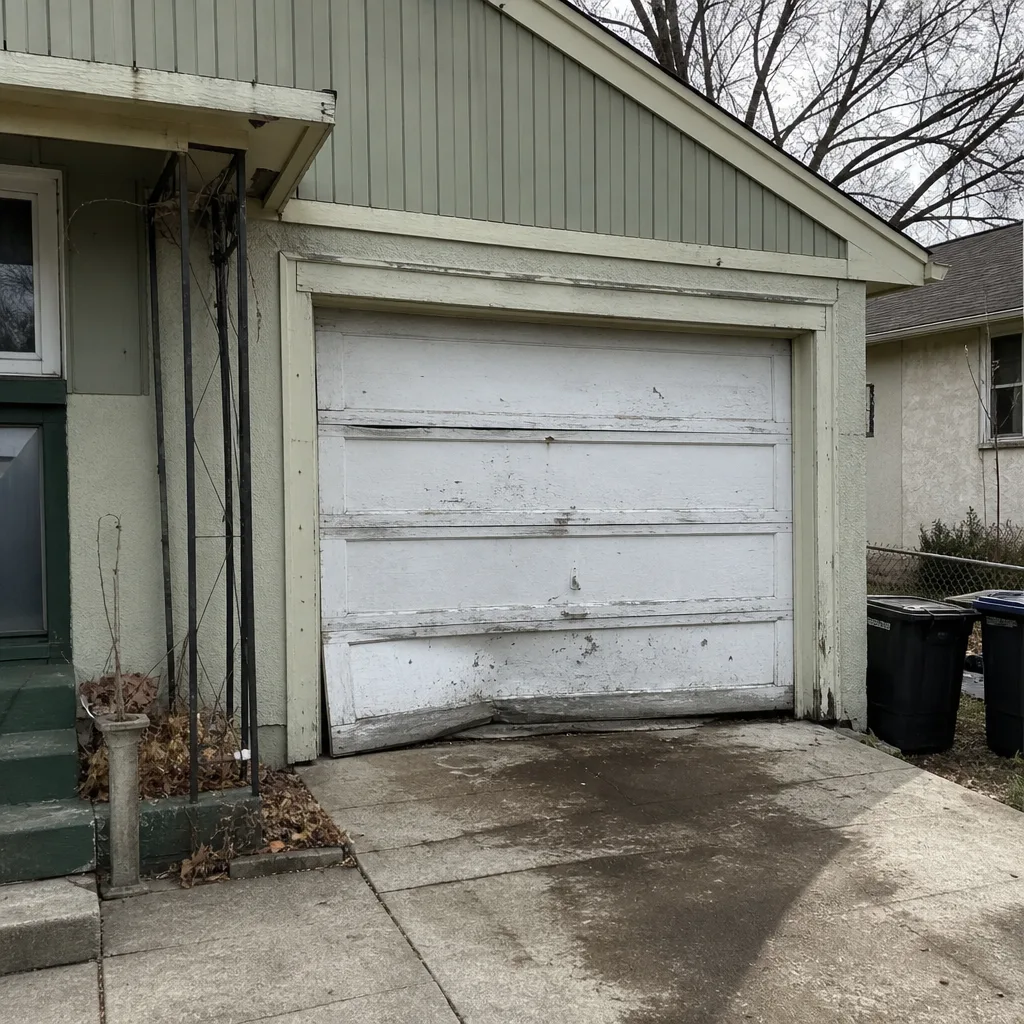 Before
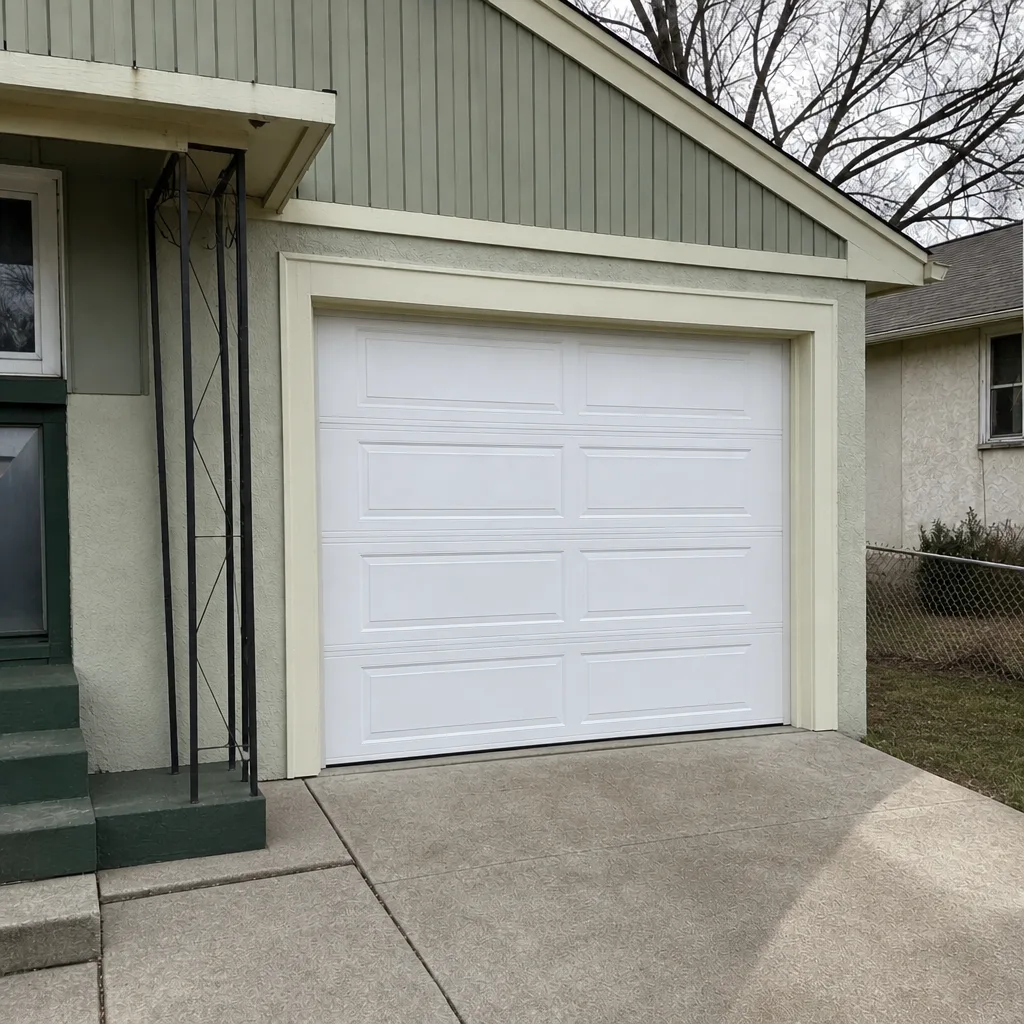 After
When to Call a Professional
Call us when the door is broken, the opener is failing, the springs are shot, the door is out of balance, or you’re planning a replacement and you’re not sure which side of the permit line you’re on. We work on the mechanical and opener side of the door system, which is most of what a homeowner actually needs help with: a snapped spring, a door that won’t close all the way, an opener that’s grinding or failing to reverse, or an older Craftsman unit that’s finally given up. We’re also the right call before you order a new door, because we can confirm whether the opening will accept it as a like-for-like swap or whether the project is a structural change that needs the city involved. We can’t say yes or no to a permit for you, but we can tell you what we see and point you to the building department with the right questions. Garage Door Repair Linden Hills offers free estimates in Linden Hills. Call (855) 710-3186 and we’ll take a look.
Frequently Asked Questions
Usually not, if the new door is like-for-like: same size and weight, same opening, no framing changes. You’ll generally need a permit if the opening’s size changes, the framing is altered, a new opening is cut, or the fire-rated door between an attached garage and the living space is replaced or modified. Confirm with the City of Minneapolis building department before work starts, because the answer depends on your specific structure.
No. An opener swap is routine mechanical work and doesn’t require a permit. Make sure the new opener is rated for the weight of your door, especially if the door was replaced at some point with a heavier model. If you’re unsure what your door weighs, we can check it during an estimate. Call (855) 710-3186 for a free quote.
The door between an attached garage and the living space must maintain the fire separation required by Minnesota’s residential code. The exact rating and details depend on your layout, so ask the City of Minneapolis building department what applies to your home. What matters most is that any change to that door or the wall around it keeps the separation intact and gets inspected.
It varies with the scope. Remediation usually means a permit, an inspection and opening up whatever framing is buried, which is finish work and often the largest cost. It’s almost always more than doing it right the first time. If you suspect prior work was unpermitted, call the city to check for a permit on record.
They govern different things. The city permit covers safety and code, including structural changes and fire separation. The HOA architectural review covers appearance, style, material and color. Any door replacement typically needs HOA approval if you have one. A structural change may need both. Get HOA sign-off before you order the door.
We can tell you what we see when we inspect the opening, the framing and the door weight, and whether the proposed replacement looks like a clean like-for-like swap or a structural change. We don’t issue permits or interpret your local code for you. For a definitive answer, the City of Minneapolis building department is the source. For the garage door itself, call us at (855) 710-3186 for a free estimate, and we’ll walk you through what the job involves.
The Bottom Line
Garage door work in Linden Hills splits into two lanes. Mechanical swaps and like-for-like replacements usually need no permit, and a trained specialist can handle them directly. Structural changes to the opening, framing, or the fire-rated door between attached garage and living space typically require a permit and an inspection, and skipping that step creates a resale problem that’s more expensive to fix than to prevent. Sort out HOA approval before you order a door. Check with the City of Minneapolis building department when the scope is anything beyond a clean swap. And for everything from springs and openers to a new door, we’re your single call. Garage Door Repair Linden Hills offers free estimates and handles repair, opener work and installation across the major residential brands, including Clopay, Amarr and Craftsman. Call (855) 710-3186 for a free estimate.
For a broader look at the services behind these code questions, start with our Garage Door Repair Linden Hills overview. If you’re still comparing providers, our guide on garage door repair is the place to begin.
Written by the team at Garage Door Repair Linden Hills.